Economist calls on govt to give more aid to people
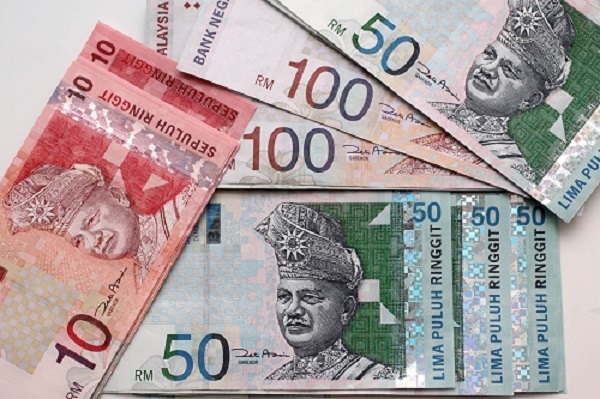
KUALA LUMPUR (July 15): The Government should enhance economic recovery efforts and give more aid to the so-called “Makcik Kiah” or regular working people as well as the B40 and M40 income groups, in addition to higher wage subsidies although its debt level has almost breached the statutory limit of 60%, said economist Muhammed Abdul Khalid.
The Universiti Kebangsaan Malaysia economist reiterated that Malaysia’s financial situation still allows it to channel more aid to the people and that the country should consider raising funds locally due to lower interest rates.
“Take the economic crisis of 1986 for example, the national debt level was over 100% and in less than 10 years, the country managed to strengthen its fiscal standing and recorded a surplus,” he said yesterday on the Malaysia Petang Ini TV programme in response to the National Well-Being and Economic Recovery Package (PEMULIH) worth RM150 billion.
He noted that the various aid programmes that had been announced came up to only six per cent of the national economy.
To date, the Government has announced eight economic stimulus and aid packages worth RM530 billion.
“Of this RM530 billion, the Government has only forked out RM83 billion, while RM120 billion is from the EPF, moratorium (RM210 bilion) and the rest… if you compare with regional neighbours, Thailand spends more than Malaysia although the lockdown in this country is among the longest in this region.
“Let me emphasise, Malaysia can afford to give four times the wage subsidy that has been given to local companies and this will benefit 5.5 million workers, monthly aid to Makcik Kiah as well as the B40 and M40 income groups,” Muhammed said, adding that the economy has not recovered considering the 5.6% contraction last year.
“The economy is not recovering and not expanding compared to pre-Covid-19, considering there was a contraction of 5.6% last year and a forecast of only four per cent growth this year,” he said.
Muhammed said economic growth must take into account the wage factor and other variables, not just the Gross Domestic Product (GDP) growth.
GDP growth does not reflect the real economic situation, and from 2016 to 2019, the country’s poverty rate increased from 16% to 17% although the GDP recorded growth, he added.
According to Government figures, the average wage level went down nine per cent in 2020, the first decrease since this statistic was recorded in 2010.
From a workforce of 13 million people in the country, those who receive wages number 9.8 million workers.
After two consecutive years of the average wage being recorded at over RM3,000, it went down to RM2,933 in 2020 compared with RM3,224 in 2019.
Muhammed said Malaysians who have lost their jobs jumped 41% last year, and this shows the economy is not in a good place, therefore more aid is needed to hasten economic recovery.
Get the latest news @ www.EdgeProp.my
Subscribe to our Telegram channel for the latest stories and updates
Never miss out
Sign up to get breaking news, unique insights, event invites and more from EdgeProp.
Latest publications
Malaysia's Most
Loved Property App
The only property app you need. More than 200,000 sale/rent listings and daily property news.