HBMK 2024: Key strategies for effective mixed development management
- Managing mixed developments can be daunting. With their intricate nature, it’s often unclear where to begin, what to prioritise, and how to effectively oversee the entire operation. This complexity necessitates specialised training for industry players.
KUALA LUMPUR (Dec 13): Mixed developments are complex entities with various components. As a property manager, it’s crucial to identify the specific type of mixed development and understand the shared unit percentage of each component.
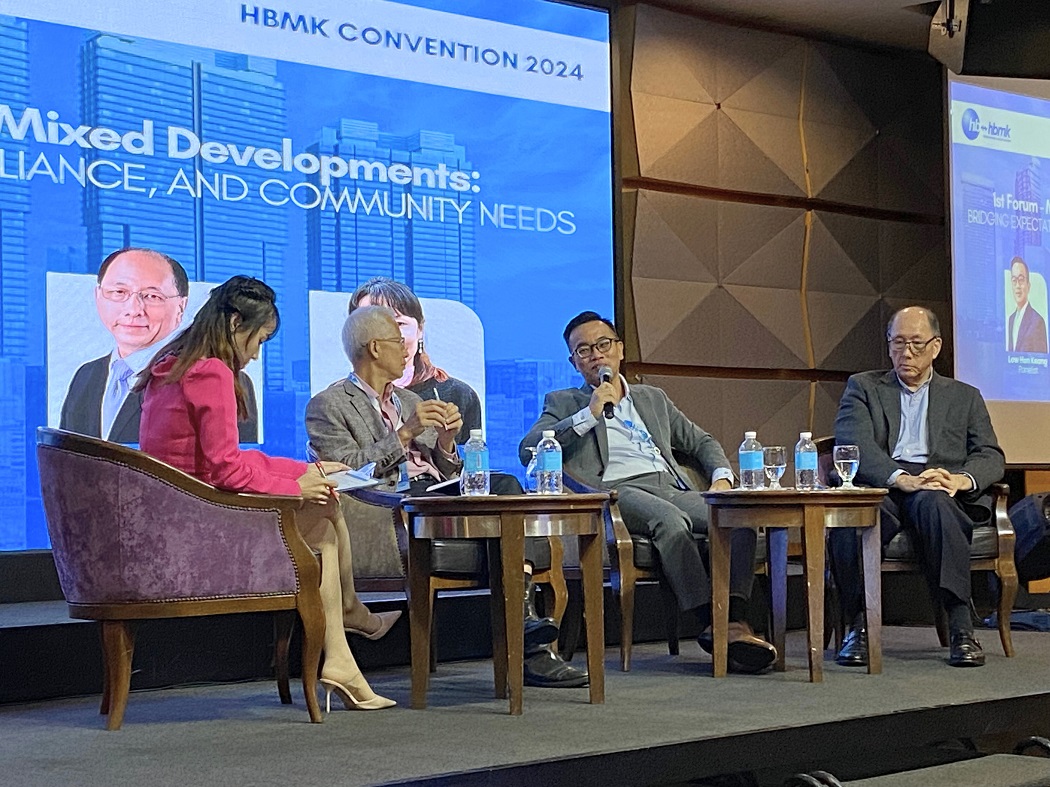
These issues were discussed by industry experts yesterday at the Henry Butcher Malaysia (Mont Kiara) Convention 2024 (HBMK 2024).
The convention held at the Concorde Hotel Kuala Lumpur had the theme “Enhancing Management Strategies for Mixed Developments”. Taking part in the event were HBMK managing director Low Hon Keong, Architect Centre director Anthony Lee Tee and Menara UOA Bangsar managing corporation (MC) secretary Khaw Chay Tee who dived deep into how to best manage mixed developments.
Finding the core concept of mixed developments
“First, we must understand the composition of these mixed developments. As a property manager, we must be able to identify the specific type of mixed development we are managing. More importantly, we need to determine the share unit percentage and identify the major shareholders [of the mixed development].
“For new projects, we always advise our clients to establish a core concept or a main driver for the entire development. Every mixed development requires a ‘captain’, whether it's a hotel, a retail mall, or another component,” Low said.
He stressed that retail malls are often the driving force behind successful mixed developments. They serve as the central hub of the development.
Cost allocation: A key consideration in mixed-use projects
Low indicated that maintenance is a crucial aspect while it’s equally important to focus on financial planning. This foresight, starting from the initial planning stage, can significantly impact long-term costs. Unfortunately, this critical element is frequently overlooked.

“Today, many mixed developments struggle with allocating funds. For instance, when collecting maintenance fees, it's unclear how to distribute them among different components. Some propose a single rate, while others suggest a multi-tier rate. However, since our first simple mixed development in south Kuala Lumpur, we've consistently used the cost method,” he explained.
Low advised the mixed development stakeholders to only pay for the services and facilities they directly benefit from.
“That means you pay for what you use and what you are entitled to use. If the swimming pool doesn't belong to the mall, why should the mall pay anything to maintain it? If the children's facilities don't belong to the residential component, why should the residential or office component pay for their maintenance? Therefore, the cost allocation method must be established from the beginning,” he emphasised.
The sinking fund dilemma: Ensuring long-term property sustainability
Given that sinking funds often fall short of covering the actual costs of maintenance and repairs in mixed development projects, how can property owners and developers ensure the long-term sustainability of their properties?
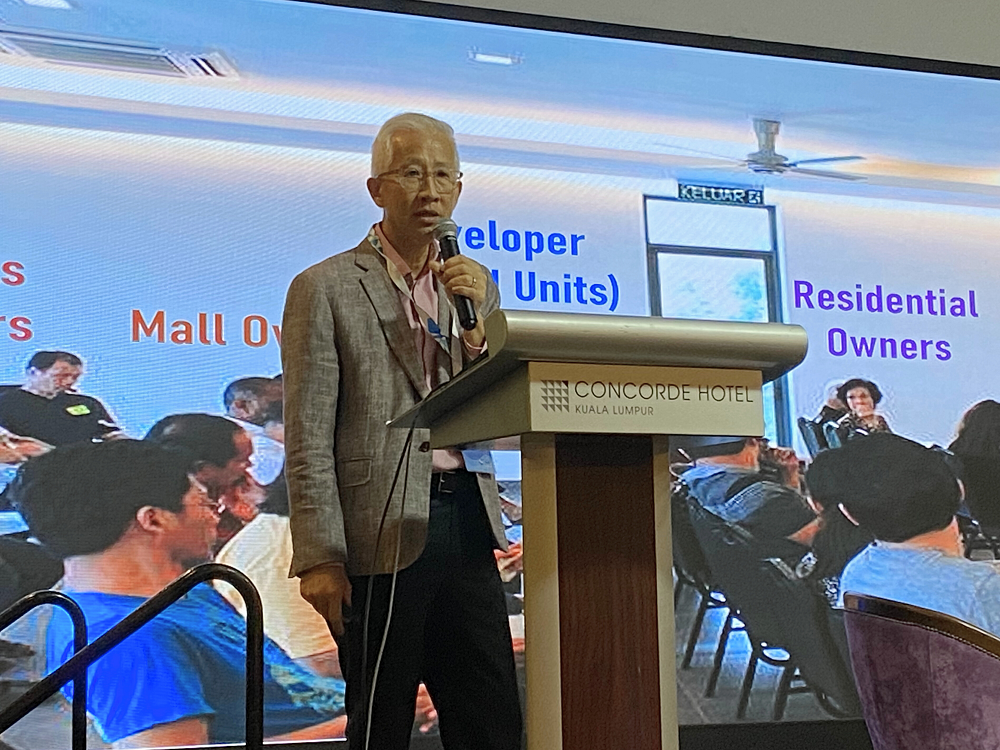
Lee said the sinking fund covers 75% of the total lifecycle cost of the property. The reality for many properties, especially those that are built and sold, may be different. Higher-quality materials might be used for properties that the developer retains. However, for properties that are sold, cost-effective materials might be used instead, potentially impacting the long-term durability and maintenance costs.
“One significant challenge faced by property managers worldwide, including in countries like Australia, the UK and the US, is the underfunding of sinking funds. A common misconception is that a sinking fund is an emergency fund. In reality, a sinking fund is a planned expenditure. It's a fund that you collect and then spend according to a predetermined plan,” he said.
Lee suggested that to ensure the long-term value and sustainability of a property, it's crucial to have an adequate sinking fund. By allocating sufficient monies for regular maintenance and repairs, property owners can prevent costly breakdowns and extend the lifespan of their assets.
The impact of the Strata Management Act 2015
Khaw noted that the introduction of the Strata Management Act 2015 marked a turning point, significantly impacting the way mixed developments are managed.
“The Strata Management Act 2015 introduced the concept of a 'threshold number', a complex legal term that essentially limits the control of any individual or group over the management committee of strata properties. Regardless of the size of your unit share, you can only elect a maximum of 49% of the committee members.
“For example, if the committee has three members, you can only elect one. Similarly, for a 14-member committee, the developer's maximum number of committee members is six. This significant change shifted the balance of power towards the management committee, altering the dynamics of strata management,” Khaw explained.
Resolving disputes and streamlining operations in management committees
He said that after the election of a new committee, the property managers stepped in to address the complex situation. They took on the challenge of replacing tax management and merging the accounts of all the components of a mixed development, which inevitably raised problems.

Khaw pointed out: “This brought up a lot of questions, including inter-company transfers and other complex issues. The professionals involved brought these concerns to the management committee, leading to a dispute between the stakeholders. Key questions arose: How do you allocate security guards, cleaners, and rental income across three components within a single mixed development?”
To resolve these disputes, he suggested that property managers should form a subsidiary management corporation for mixed development projects. If necessary, lease agreements have to be established for shared facilities like air conditioning units and fire fighting equipment. Through cooperation and effective management, this approach has proven successful.
“The most important thing you must do as a property manager is to guide your management community. Keep telling them what needs to be done. If they don't comply, document it. Email, WhatsApp, or any other method you prefer. But you must guide them on the legal aspects. You must have a solid understanding of the law, and you must share that knowledge with them,” Khaw urged.
Looking to buy a home? Sign up for EdgeProp START and get exclusive rewards and vouchers for ANY home purchase in Malaysia (primary or subsale)!
Follow Us
Follow our channels to receive property news updates 24/7 round the clock.


Telegram


Latest publications
View AllFollow Us
Follow our channels to receive property news updates 24/7 round the clock.
Malaysia's Most
Loved Property App
The only property app you need. More than 200,000 sale/rent listings and daily property news.