REHDA expresses gratitude over KPKT’s clarification on build-then-sell, sell-then-build models
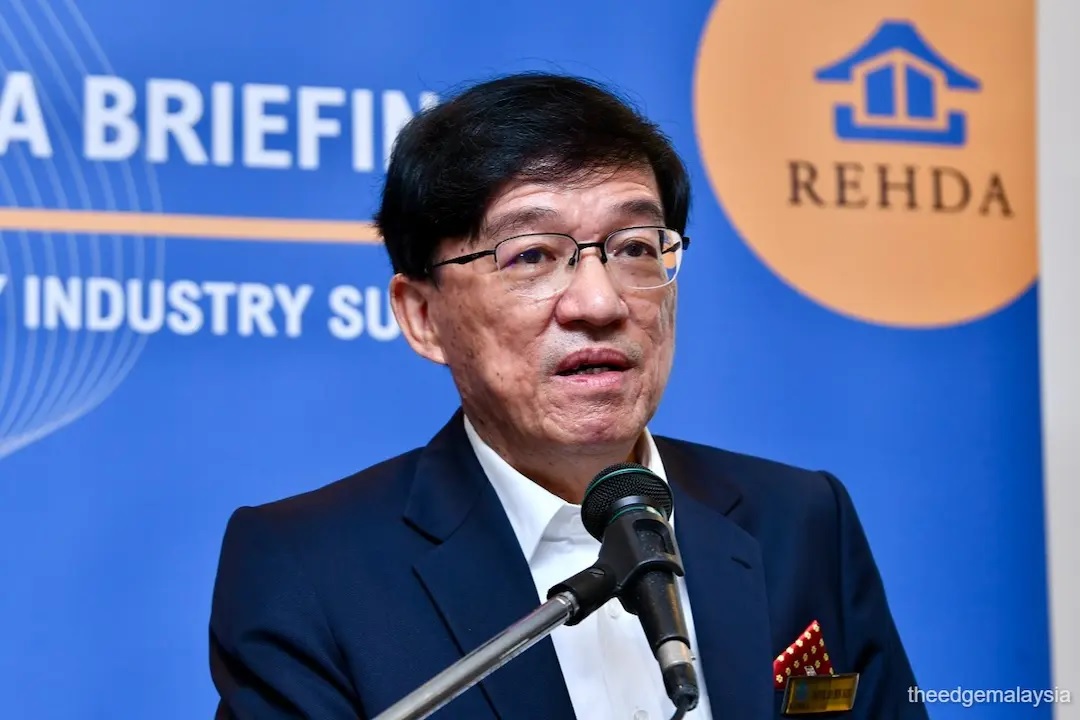
- REHDA stated that Minister of Housing and Local Government Nga Kor Ming clearly signified the “government’s willingness and readiness to focus on the rakyat’s needs and to take all industry stakeholders’ opinions into consideration, to ensure the property industry remains robust and healthy”.
KUALA LUMPUR (Nov 3): Real Estate and Housing Developers’ Association (REHDA) Malaysia today expressed its gratitude following the Minister of Housing and Local Government Nga Kor Ming’s clarification in Parliament last week that both the build-then-sell (BTS) and sell-then-build (STB) systems will remain.
In a media release, REHDA stated that Nga clearly signified the “government’s willingness and readiness to focus on the rakyat’s needs and to take all industry stakeholders’ opinions into consideration, to ensure the property industry remains robust and healthy”.
“As a whole, STB has made housing more affordable for the rakyat since housing became regulated decades ago, and made it possible for developers to continuously deliver housing to meet the national housing agenda.
“To impose a strictly BTS system will negatively impact that ability, which will affect the provision of affordable housing,” said Datuk Ir Ho Hon Sang, president of REHDA.
At the same time, homebuyers still have the option of buying BTS homes in the secondary market. Each year, about 80% to 85% of housing transactions are done on such a BTS basis, REHDA revealed.
BTS has always been an option made available to developers
“The build-then-sell 10:90 scheme is outlined in the Housing Development (Control and Licensing) Act 1966, or Act 118, and we encourage capable developers to consider it, should they have the means to do so,” added Ho.
“REHDA looks forward to the housing reform plan that YB Tn Nga announced during the same Parliament session, and is hopeful of the changes it will bring to the industry,” stated the association.
Last week, Nga said in Parliament that one reason the government has not mandated the BTS model is that, based on the National Housing Department’s assessment, the industry chain is not yet fully ready, while mandatory implementation could also favour large corporations at the expense of SMEs, which play a critical role in developing small towns and rural areas.
As Penang girds itself towards the last lap of its Penang2030 vision, check out how the residential segment is keeping pace in EdgeProp’s special report: PENANG Investing Towards 2030.
Follow Us
Follow our channels to receive property news updates 24/7 round the clock.


Telegram


Latest publications
View AllFollow Us
Follow our channels to receive property news updates 24/7 round the clock.
Malaysia's Most
Loved Property App
The only property app you need. More than 200,000 sale/rent listings and daily property news.