Govt rejects en-bloc model, urban renewal to rely on owners' consent—PLANMalaysia
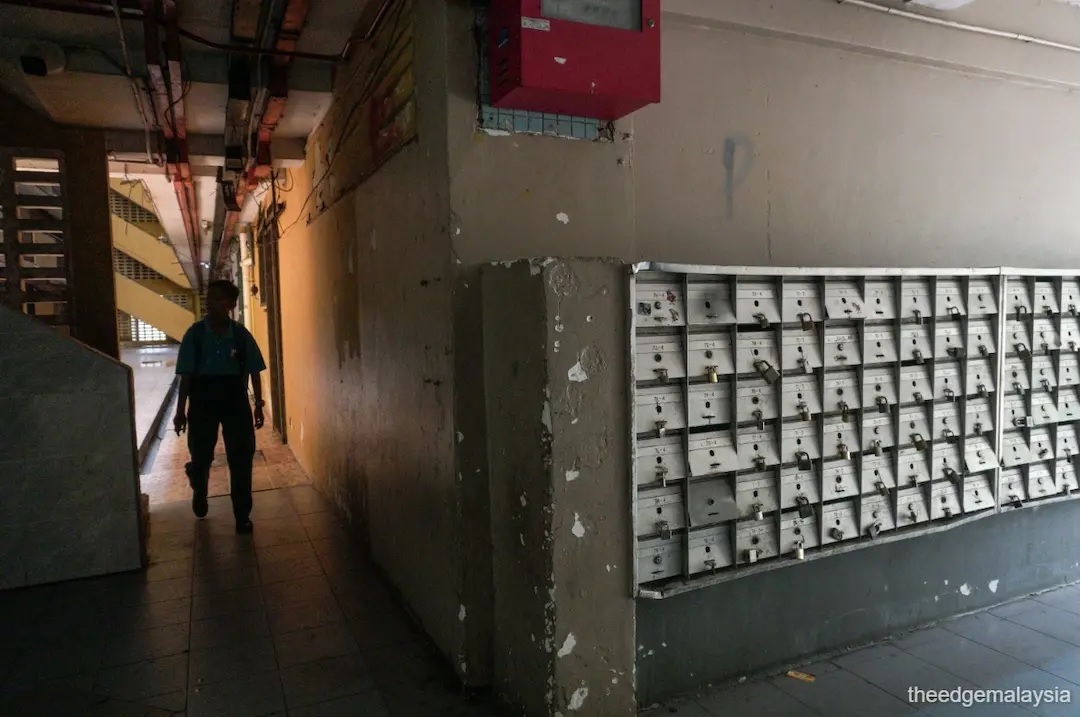
- PLANMalaysia deputy director general (development) Saidin Lateh said the en-bloc approach practised in Singapore, Hong Kong and parts of Australia allows owners to collectively sell their properties and relocate. However, this contradicts the Urban Renewal Bill, which guarantees owners the right to return to replacement units at no cost
PUTRAJAYA (Nov 28): The government has decided not to adopt the en-bloc sale model in any urban renewal project to avoid forced relocation and gentrification, said PLANMalaysia deputy director general (development) Saidin Lateh.
He said the en-bloc approach practised in Singapore, Hong Kong and parts of Australia allows owners to collectively sell their properties and relocate. However, this contradicts the Urban Renewal Bill, which guarantees owners the right to return to replacement units at no cost.
“We will not implement en-bloc sales. In other countries, once 80% or 90% of residents agree, a tender can be opened, owners receive compensation and move out.
“Malaysia takes a different approach. We will secure 80% consent to begin consultations, and we guarantee that owners can return and continue living in the same area once construction is completed,” he told reporters after a Jom Ngopi KPKT dialogue session with the media here on Friday.
Saidin said the urban renewal process remains negotiation-based and no project can proceed without majority approval.
He added that any proposed urban renewal area must be declared by the state government before undergoing technical assessments, further negotiations and the drafting of a development model prioritising original owners.
“The 80% threshold only triggers the technical studies and plan preparation, but efforts continue to secure higher levels of agreement,” he said, noting that full consent is nearly impossible due to untraceable owners, inheritance issues, overseas migration and property caveats.
“We must be realistic. If 95 owners agree but five do not, it would be unfair to disregard the majority who have long lived in substandard housing,” he said.
Under the Bill, owners will receive larger and higher-quality replacement units without paying anything, including relocation, temporary rental and early maintenance costs, which will be covered by the developer.
“Owners will return to their replacement units, while those who opt to relocate elsewhere will receive cash compensation based on market value,” he said, adding that the government maintains a firm stance against gentrification and that the Bill preserves existing demographic composition.
To strengthen community confidence, especially among Malay residents, Saidin said government-linked companies, government-linked investment companies, state-owned companies, UDA Holdings Bhd and Mara will be prioritised as developers.
The Urban Renewal Bill is expected to be tabled again in Parliament next month.
Unlock Malaysia’s shifting industrial map. Track where new housing is emerging as talents converge around I4.0 industrial parks across Peninsular Malaysia. Download the Industrial Special Report now.
Follow Us
Follow our channels to receive property news updates 24/7 round the clock.


Telegram


Latest publications
Follow Us
Follow our channels to receive property news updates 24/7 round the clock.
Malaysia's Most
Loved Property App
The only property app you need. More than 200,000 sale/rent listings and daily property news.