KPKT strengthens governance framework for MyKiosk following MACC review
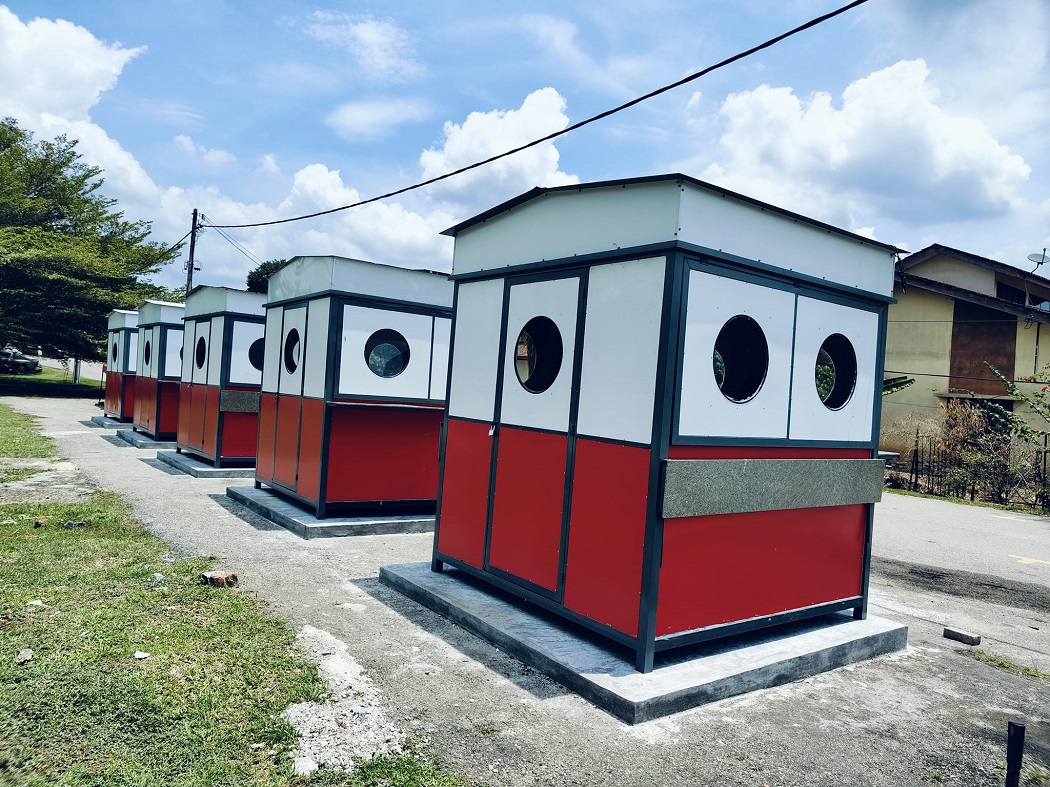
PUTRAJAYA (Feb 16): The Ministry of Housing and Local Government (KPKT) has moved to reinforce governance and monitoring mechanisms for the MyKiosk initiative following a review by the Malaysian Anti-Corruption Commission (MACC), which found no evidence of criminal misconduct, corruption or abuse of power in the programme’s implementation.
While the investigation cleared the initiative of wrongdoing, it highlighted procedural gaps at the local authority level—particularly in assessment and monitoring—prompting a recalibration of oversight structures.
MyKiosk, a federally funded initiative implemented by local authorities (PBTs), was designed to provide structured, regulated spaces for small traders. Although funding and policy direction are determined at the federal level, PBTs are responsible for site selection, trader appointments and ongoing maintenance.
According to KPKT, the MACC review identified weaknesses stemming from the absence of a standardised monitoring framework across local councils, which affected impact measurement and performance evaluation.
In response, the ministry has made it compulsory for PBTs to undertake comprehensive demand studies prior to kiosk installation, ensuring locations demonstrate viable market activity before public funds are deployed. The requirement is formalised through updated guidelines issued by the Department of Local Government (JKT).
Beyond pre-installation assessments, KPKT has introduced a performance-based evaluation mechanism anchored on a “Traffic Light” system. Under this framework, local authorities that fail to meet occupancy and operational key performance indicators (Red status) may face withdrawal of future allocations, while high-performing councils (Green status) will qualify for additional incentives. Monitoring will be conducted by JKT, with quarterly reporting to the ministry.
The shift signals a stronger alignment between federal funding allocation and measurable local delivery outcomes—reinforcing fiscal accountability within decentralised implementation structures.
PBTs have also been advised to relocate underperforming kiosk units to higher-footfall areas where necessary, optimising asset utilisation rather than allowing idle infrastructure to persist.
As part of broader programme refinement, KPKT has expanded the initiative to higher education institutions through the MyKiosk@Kampus model, positioning it as a platform to support student and youth entrepreneurship within campus ecosystems.
The expansion reflects a recalibration towards demographic clusters with built-in demand, mitigating location risk while strengthening the initiative’s economic multiplier effect.
Addressing public commentary that labelled the programme a “white elephant”, KPKT said occupancy data indicates otherwise. As of July 2025, MyKiosk 1.0 recorded an occupancy rate of 91.75%, while MyKiosk 2.0 achieved 86.78% across participating local authorities.
The ministry added that more than 7,000 small hawker families nationwide have benefited from the initiative, with reported monthly earnings reaching up to RM30,000 for some operators.
These figures suggest that while structural improvements are warranted, the core model has demonstrated commercial viability in locations with sufficient demand support.
Unlock Malaysia’s shifting industrial map. Track where new housing is emerging as talents converge around I4.0 industrial parks across Peninsular Malaysia. Download the Industrial Special Report now.
Follow Us
Follow our channels to receive property news updates 24/7 round the clock.


Telegram


Latest publications
View AllFollow Us
Follow our channels to receive property news updates 24/7 round the clock.
Malaysia's Most
Loved Property App
The only property app you need. More than 200,000 sale/rent listings and daily property news.