Every step counts: The real impact of floor safety on frontline workers
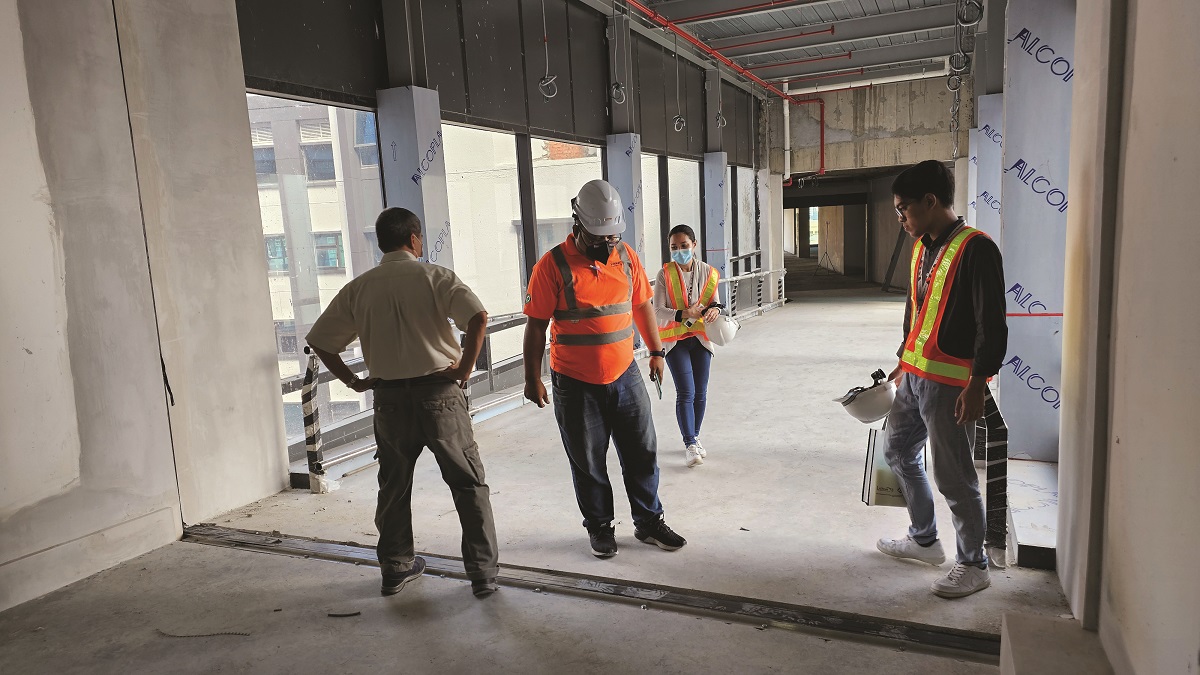
This article first appeared in the Industrial Special Report in November 2025.
In 2023, the Department of Statistics Malaysia (DOSM) reported that falls caused 9,147 workplace injuries and 95 fatalities, up from 7,885 in 202. The numbers underline a harsh reality: the floor beneath workers’ feet is often the frontline of safety.
Sun Synergy Sdn Bhd business development director Edwin Ng says safety tops the list for frontline employees when evaluating employers.
“It’s not just about compliance. Workers need to feel that their well-being is valued every time they step onto a factory or commercial floor,” he says.
Commercial vs industrial: Two worlds of safety
In commercial spaces like malls, hotels, and hospitals, floor safety focuses on accessibility. Floors must accommodate children, the elderly, and people with disabilities, using slip-resistant surfaces, clear pathways, and tactile walking surface indicators (TWSIs).
“In these environments, we design smooth, well-lit pathways that anyone can navigate comfortably. The goal is to create an environment where visitors can focus on their day, not worry about where they’re stepping,” Ng explains.
Industrial floors face harsher conditions. Heavy machinery, forklifts, chemical exposure, and extreme temperatures demand surfaces that resist slips, impacts and wear.
“Industrial flooring isn’t just durable, it’s a frontline safety tool. It protects workers who deal with high-risk conditions daily, and prevents minor hazards from turning into serious accidents,” he adds.
Sun Synergy: Building safety from the ground up
After the Highland Towers collapse in 1993, one local entrepreneur set out to make buildings safer. Today, that vision has grown into Sun Synergy, Malaysia’s leading expert in flooring safety systems.
Now recognised as one of SME100’s top Malaysian companies in 2023, the company brings world-class flooring solutions to Malaysia’s most high-profile developments through partnerships with global safety brands like Latham Australia, and Progress Profiles of Italy.
“You’ll find Sun Synergy’s safety systems across Malaysia’s landmarks from the KLCC Twin Towers Skybridge to KLIA Terminal 1, and throughout the LRT and MRT networks.
“Building safety isn’t just about preventing catastrophes. It’s about creating spaces where everyone, including the visually impaired and mobility-challenged, can move confidently, independently, and safely,” he says.
Identifying risks and preventing accidents
Slips and falls remain the biggest risk on factory floors. Oil, water, and chemical spills create constant hazards. Floor damage from heavy equipment adds tripping dangers, and cluttered areas amplify the risk.
“When floors crack or collect liquids in damaged areas, the risk multiplies. Addressing these challenges requires a holistic approach rather than patching one problem at a time,” Ng says.

Industries like heavy manufacturing and logistics need floors that handle massive weights and resist corrosive substances, while food production, and pharmaceuticals require seamless, non-porous surfaces that withstand frequent cleaning. Healthcare facilities prioritise mobility and slip prevention.
“Visual contrast is critical. Stair edges, handrails, and tactile indicators must stand out, so everyone, including those with visual impairments, can move safely. This applies to parents with strollers, elderly visitors, and people with disabilities,” he adds.
Poor flooring has business consequences too. Accidents lead to compensation claims, legal risks, and higher insurance premiums. Production may halt when floors fail, and contamination can trigger recalls in food or pharmaceutical facilities.
“Every poor flooring choice compounds the risk. The cumulative effect can be catastrophic if preventive measures aren’t taken. The real risk isn’t one accident, it’s the ongoing problems that build up over time,” Ng says.
Smart floors, safer workers
Sun Synergy has helped clients prevent accidents with proper flooring design. In malls like Midvalley Megamall, Midvalley Gardens, and i-City Mall, all in the Klang Valley, substandard expansion-joints cover left gaps and broken tiles.
“When we replaced these with properly engineered expansion joints, the problems stopped. A well-designed system accommodates natural expansion and contraction without creating safety hazards or requiring constant maintenance.
“Uneven floor transitions also pose risks. Even small level changes of anything over 5mm become tripping hazards, especially for elderly visitors or people with mobility aids,” he adds.
Floor safety technology is evolving.
Smart sensors detect moisture, pressure patterns, and contaminants in real time.
Advanced coatings, self-healing surfaces, and nano-coatings maintain slip resistance under heavy use, while AI-powered predictive maintenance anticipates problems before they become hazards.
“Our floors are evolving from passive surfaces into active safety systems.
They not only protect workers but also help facilities manage risks proactively,” Ng says.
Common mistakes and practical solutions
Common errors include ignoring accessibility standards, prioritising aesthetics over safety, poor maintenance, obstructed pathways, over-polishing, blocked emergency exits, and deferred repairs.
Prevention starts with proper specification from day one. Ng explains a sixphase engagement process: assessment and analysis, testing and specification, design and planning, installation and execution, verification and handover, and ongoing support.
Each phase ensures compliance with safety, accessibility, and operational standards.
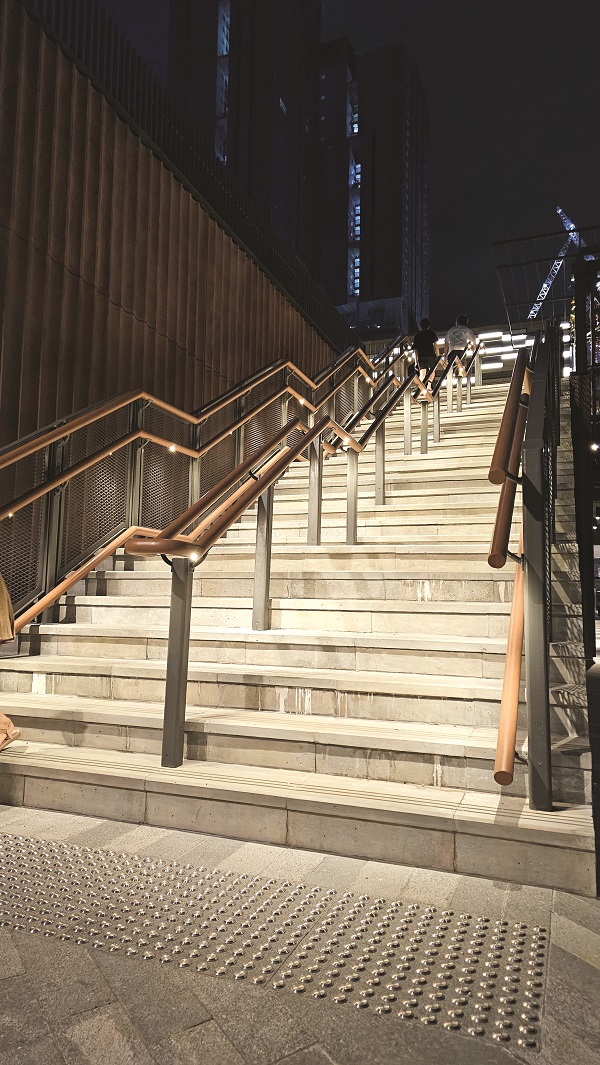
Even without major capital investment, facility managers can improve safety through clear protocols, regular inspections, and smarter maintenance schedules.
Checking entrance mats, drainage, lighting and door functionality are simple but ffective measures.
“Safety improvements don’t have to be expensive. A well-maintained, budget floor system will outperform a neglected premium installation every time. Start with one area, perfect it, then expand.
“Incremental improvements in inspection routines and maintenance scheduling can dramatically reduce accidents and extend the life of existing floors,” Ng says.
For frontline workers, the result is clear: safer shifts, fewer accidents, and the reassurance that every step counts.
Proper flooring isn’t just about construction, it’s a commitment to the people who keep industries running day in and day out.
Unlock Malaysia’s shifting industrial map. Track where new housing is emerging as talents converge around I4.0 industrial parks across Peninsular Malaysia. Download the Industrial Special Report now.
Follow Us
Follow our channels to receive property news updates 24/7 round the clock.


Telegram


Latest publications
View AllFollow Us
Follow our channels to receive property news updates 24/7 round the clock.
Malaysia's Most
Loved Property App
The only property app you need. More than 200,000 sale/rent listings and daily property news.