Central belt emerges as primary hub for chips, aerospace activity

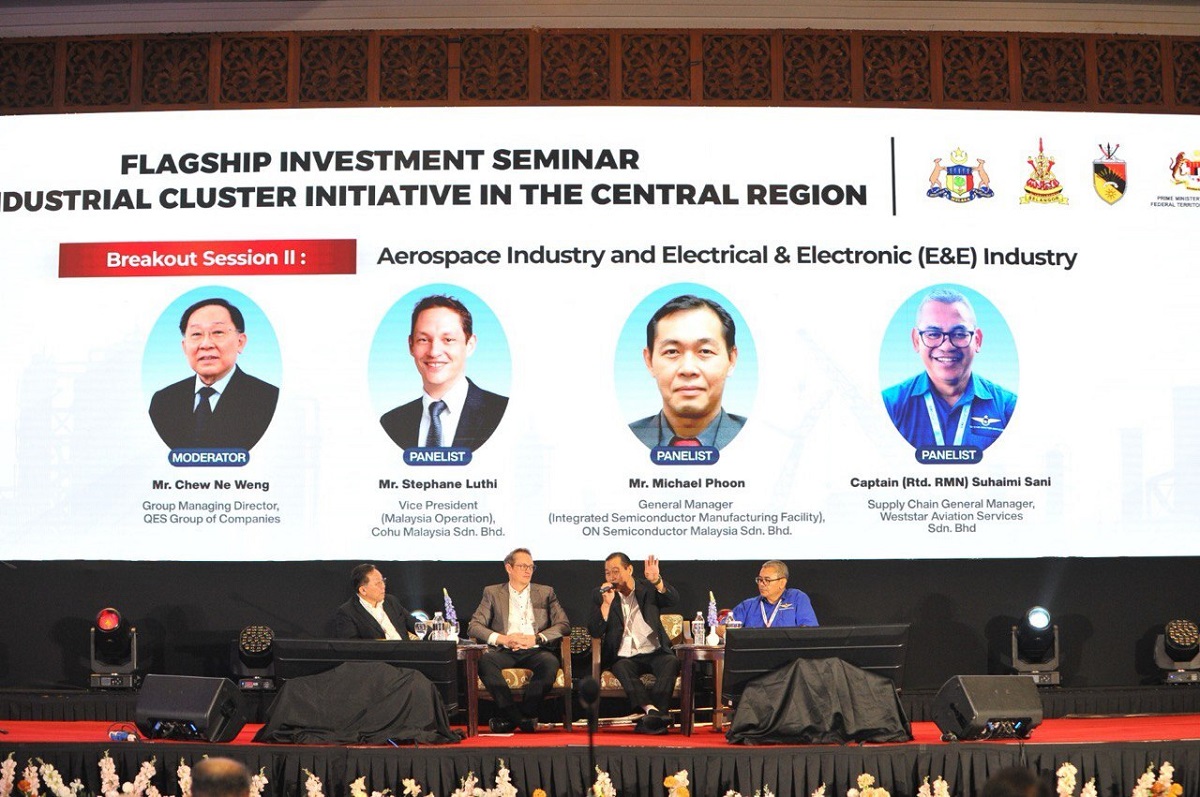
Semiconductors and aerospace activity are quietly taking off in Malaysia’s central belt. Seremban, Senawang, and parts of the Klang Valley are becoming hotspots for high-tech operations, experts shared at a breakout session at Malaysian Investment Development Authority (Mida)’s “Central Region Industrial Cluster Development Initiative” seminar on Nov 12.
The region’s appeal comes from a combination of available land, strategic location, and growing support for hightech industries, making it increasingly attractive for both established players and new investors.
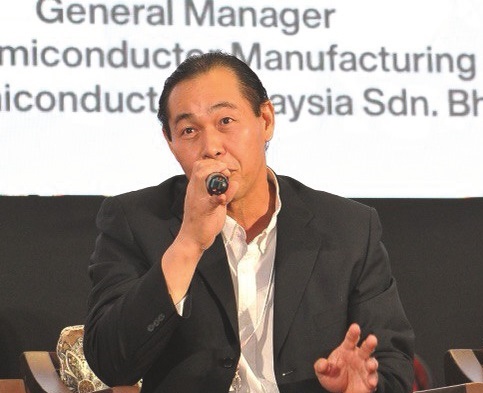
ON Semiconductor Malaysia Sdn Bhd (Integrated Semiconductor Manufacturing Facility) general manager Michael Phoon said land availability and strong state support continue to drive the industry.
“Most of the time, state governments provide land and very good incentives, making it very attractive.
“So, I don’t see that being an issue. Even when we ask for land, the state governments are usually supportive,” he said.
“In our region, especially in Seremban and Senawang, there’s still a huge opportunity. A lot of land has been allocated for industrial use,” he said.
Phoon added that the central region remains a preferred location for major players.
Infrastructure supports expansion
The central region already possesses the necessary infrastructure and scalability for rapid production growth.
“To scale is not an issue. It’s more of a corporate decision whether they want to expand. Corporations will always as-sess if there is a business demand strong enough to justify a new site. Typically, that’s the deciding factor,” he said.
He added that Malaysia has the technical expertise to build required facilities.
“There’s enough technical talent locally such as to build clean rooms. If higher-level automation is needed, some expertise may come from overseas, but the local workforce is capable of building clean rooms that require specific air quality standards,” he said.
“The challenge is talent retention,” Phoon added. “Young people today prefer gig work or start their own food and beverage businesses, so that rotation makes it harder to sustain talent,” he said.
He added that frequent job-hopping limits the development of deep technical skills.
“The danger is talent movement from central to north and back again. If they move around too much, they don’t pick up enough skills and competencies to add real value,” he said.
Rising aerospace costs drive collaboration and creativity
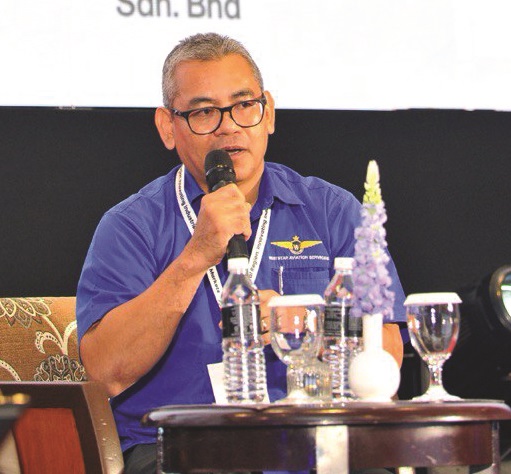
Weststar Aviation Services Sdn Bhd supply chain general manager Suhaimi Sani said collaboration and service enhancement have become crucial to offset rising costs.
“Across the aerospace industry, prices have increased post-Covid-19, also because of scarcity of materials and products.
“That’s where collaboration, enhancement of service, and adding value to the service rendered become important, so companies can gain value over the increase of these commodities,” he told EdgeProp.
He added that the post-pandemic era demands creativity and resourcefulness.
“It’s crucial that the industry try to be a bit more creative, a bit more resourceful, broaden the approach, and find a niche area which has not been explored before.
“There’s no escaping rising costs, so the industry must figure a way to become better, more efficient, and create its own niche,” he said.
Malaysia has the necessary knowledge and infrastructure to compete globally. “We have the know-how, the technology, and the ease of doing business, plus the infrastructure and facilities,” said Suhaimi.
Efficiency and location as key competitive advantages
According to Suhaimi, companies should also find ways to balance cost increases by improving efficiency and streamlining processes.
“Despite the inevitable price increase of commodities post-Covid-19, companies can at least slow down the impact or manage the risk and exposure,” he said.
He also highlighted that location plays a major role in Malaysia’s aerospace activities.
“Location is very important. Right now, the cluster is in the central region; that’s why aerospace is focused within the Klang Valley, Negeri Sembilan, and Melaka.
“All the expertise is concentrated within the area, so location is definitely crucial,” he explained.
He added that strong connectivity and logistics infrastructure are also key factors.
“Connectivity is important because airports, road systems, and other infrastructure ensure goods and services reach their destinations in time,” he said.
..........
Unlock Malaysia’s shifting industrial map. Track where new housing is emerging as talents converge around I4.0 industrial parks across Peninsular Malaysia. Download the Industrial Special Report now.
Follow Us
Follow our channels to receive property news updates 24/7 round the clock.


Telegram


Latest publications
View AllFollow Us
Follow our channels to receive property news updates 24/7 round the clock.
Malaysia's Most
Loved Property App
The only property app you need. More than 200,000 sale/rent listings and daily property news.