Reweaving cultural tapestry: Shin Tseng’s blueprint for the living city
This article appeared in the March 12, 2026 issue of the monthly print edition. Subscribe now.
An old building can be read in many ways: as outdated stock, as underperforming asset, or as opportunity. For Urban Agenda Design (UAD) director Shin Tseng, the interpretation is far less transactional. In his view, a building is “a shell to host culture ... to host human experience”.
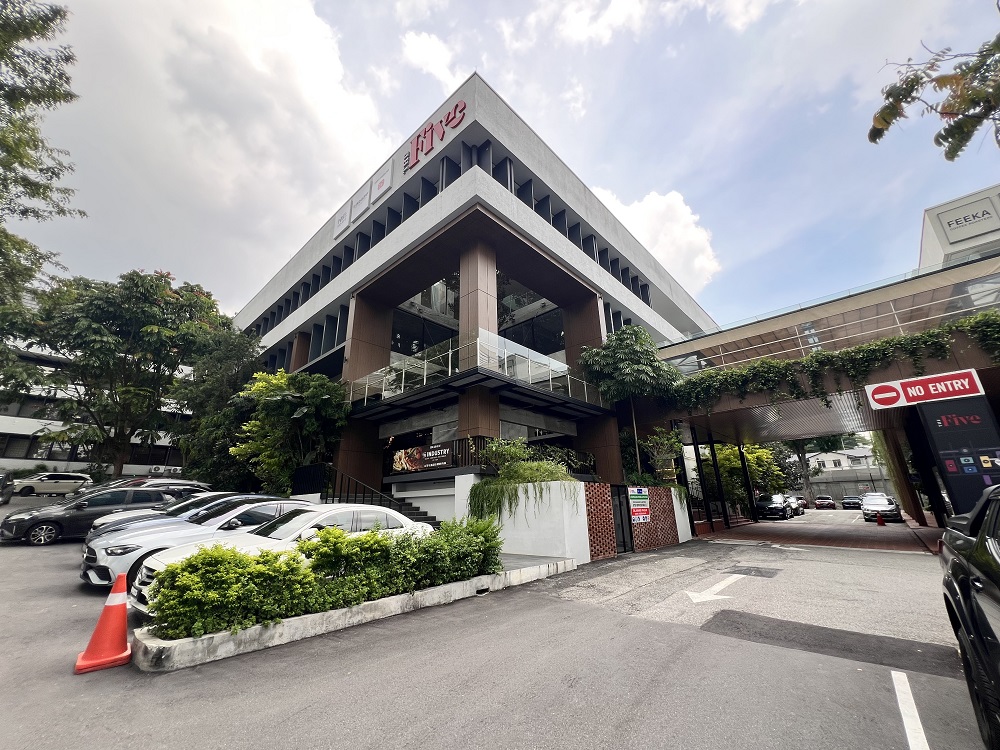
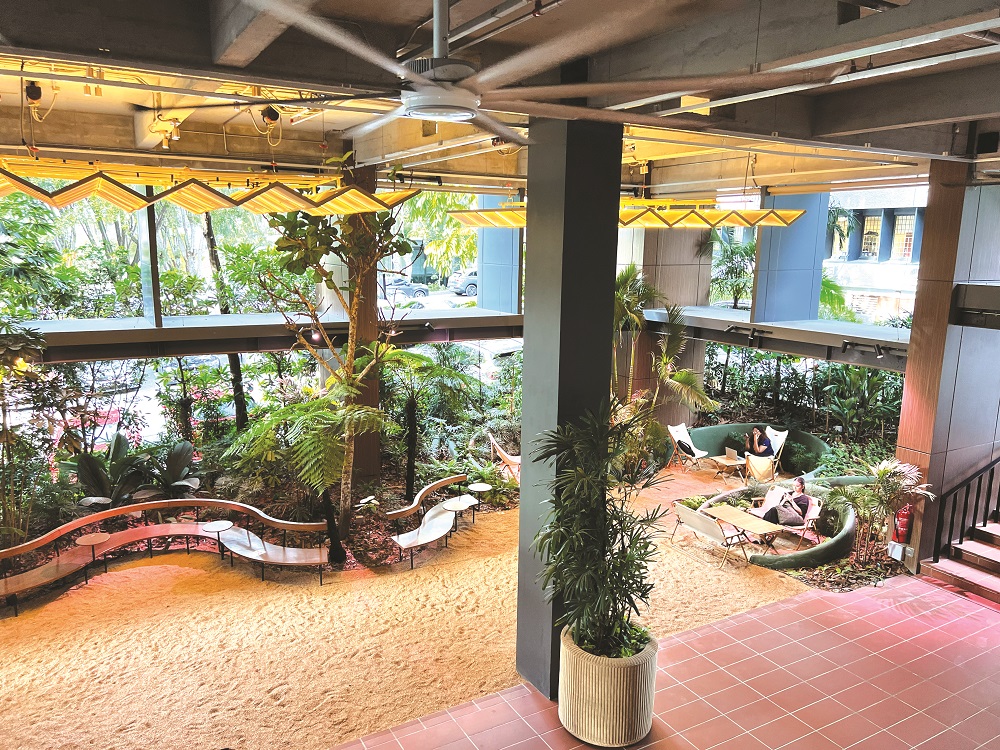
We met at The Five Damansara, in Damansara Heights, Kuala Lumpur, an appropriate setting for a conversation about the social impact of redevelopment or repurposing. Around us, the site articulates its own argument: a lobby that functions as a public living room, a steady stream of regulars arriving for coffee, and a casual overlap between those who work upstairs, and those who came simply to be here.
Formerly known as Kompleks Pejabat Damansara, established in the 1970s by Selangor Properties Sdn Bhd for government officers, The Five is now a unique working environment that houses SMEs, professional practices, design houses, and specialty F&Bs.
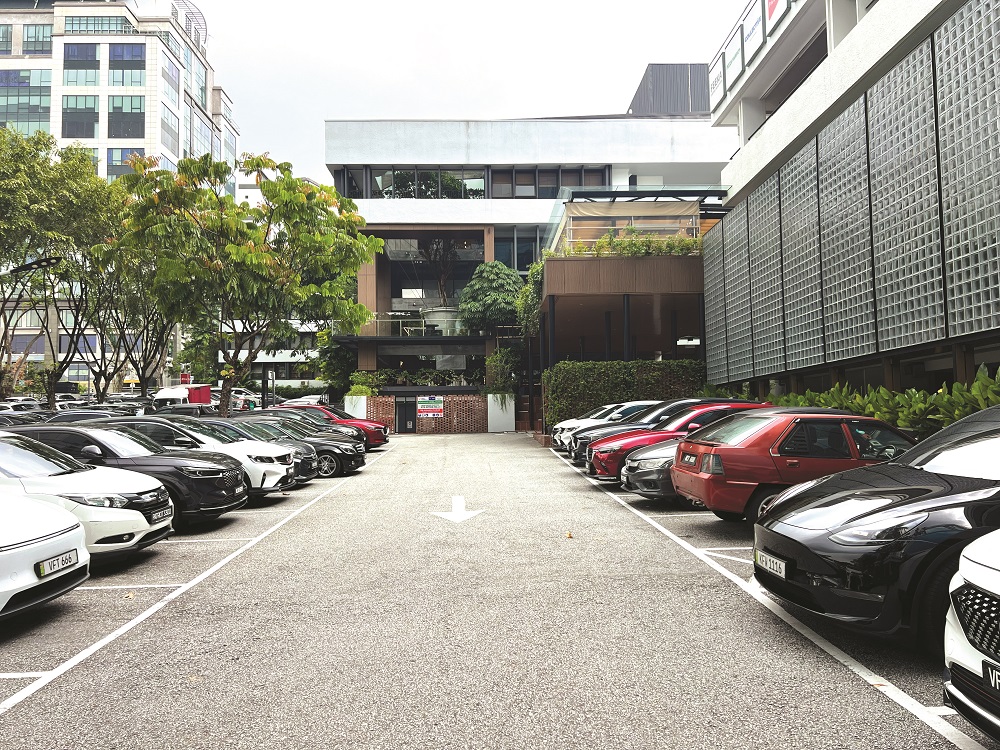
The financial case for this “cultural gravity” is compelling. According to Selangor Properties, which led the 2019 redevelopment with several partners including UAD, the exercise has nearly doubled the asset’s yield. Current base office rentals have climbed to RM5.00– RM6.50 psf, up from the RM2.50–RM3.50 psf commanded during the site’s previous tenure as a HELP University campus.
Retail and F&B units, meanwhile, command a premium of RM7.00–RM12.00 psf today, with specific rates varying by floor level, net lettable area, and lease terms.
At The Five, tenant curation is the project’s heartbeat; it is less about filling shopfronts, and more an exercise in social choreography.
“Take Feeka, for instance,” explains Tseng.
“The cafe is an anchor that bridges the gap between the morning’s first espresso, and the evening’s final wind-down, long after the office lights have dimmed upstairs.”
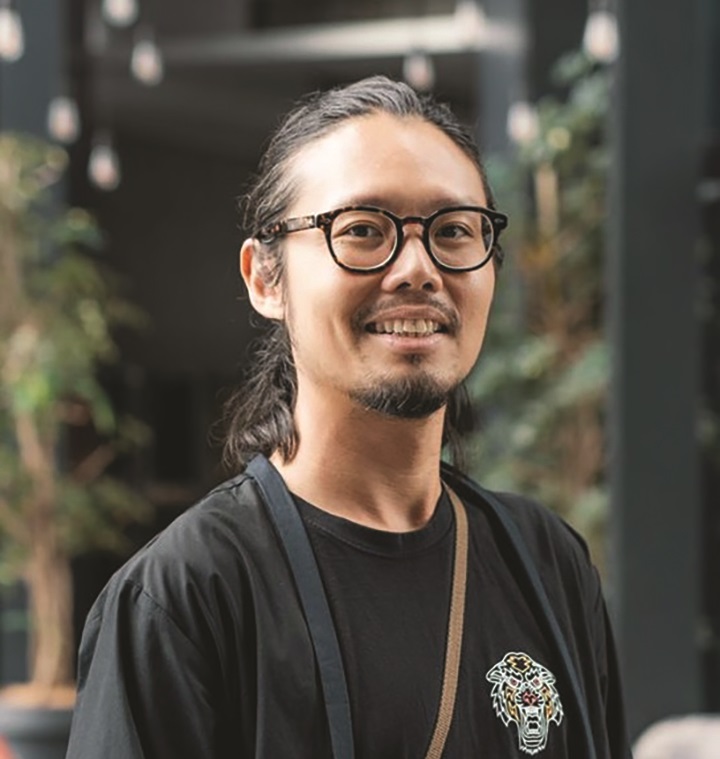
For Tseng, these “third spaces” are essential.
“You grab a coffee, have a chat in the garden, or bump into a friend working upstairs. It enables that overlap and intertwine to happen.” Having steered redevelopment projects ranging from Semua House in Chow Kit, KL to REXKL in downtown KL, Tseng maintains that adaptive reuse is more than structural preservation. While developing from a clean slate is often the easier path—because it avoids what he calls the “financial, timeline, and construction headaches” of old bones—the transition from “commodity” to “cultural asset” is where Tseng finds his niche.
His priority is to bypass the wrecking ball, choosing instead to maintain the character and grit of the neighbourhood.
Designing a sense of space
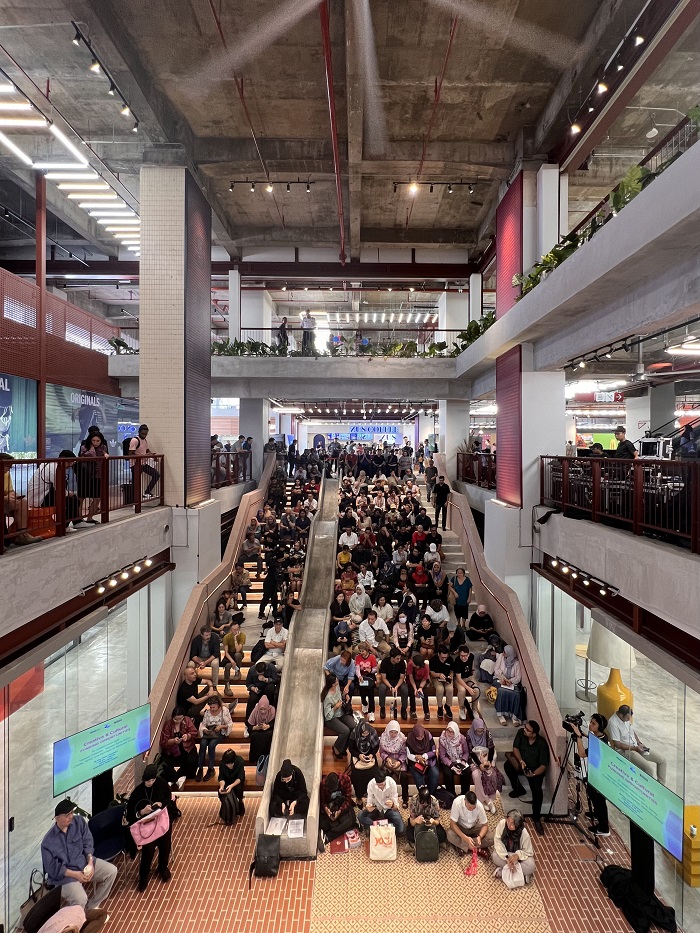
Before UAD was formally established in 2020, Tseng had already tested these ideas in the city’s gritty core. In 2017, he was approached by the landlord of Rex, a landmark cinema that started in the 1940s but shuttered at the turn of the millennium. Working alongside Shin Chang, co-founder of REXKL, and a small circle of architects and branding collaborators, Tseng helped transform the fire-damaged relic into a multi-level cultural hub.
The project has since served as a formative “proof of concept” for his later work.
“We looked at what Rex meant, and suddenly we had access to context, economy, and culture,” he says.
In its heyday, the cinema at Jalan Sultan offered entertainment, status, and a reason to gather. Today, REXKL hosts international DJs like Peggy Gou, and independent bookstores, drawing a new generation to KL’s Chinatown by understanding the “system” of how people congregate.
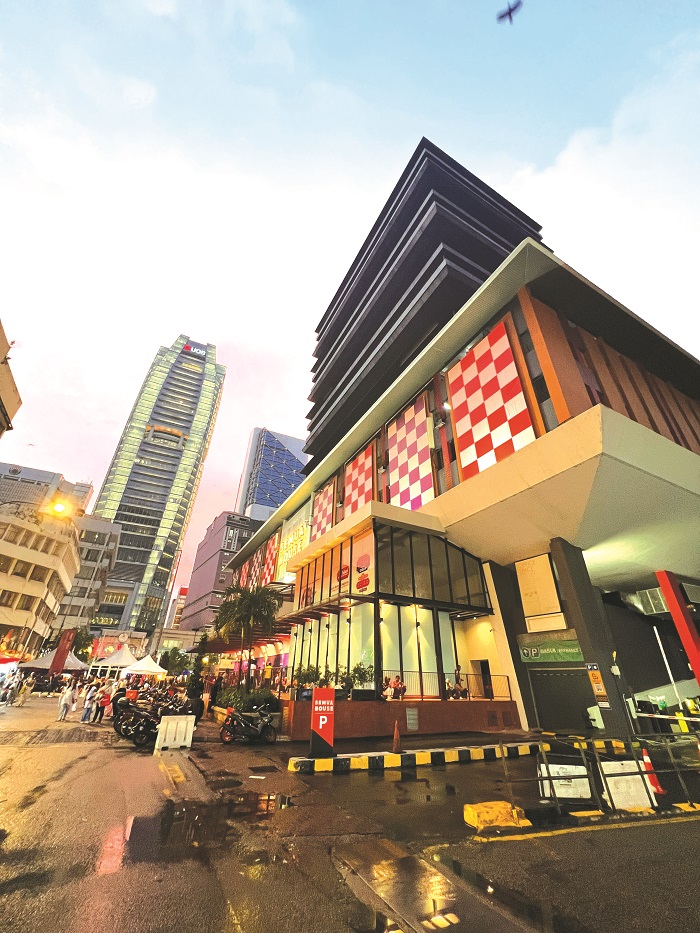
If REXKL was a gamble on the city’s creative and night-time economy, Semua House on Jalan Masjid India would be an exercise in reviving a neighbourhood’s commercial backbone.
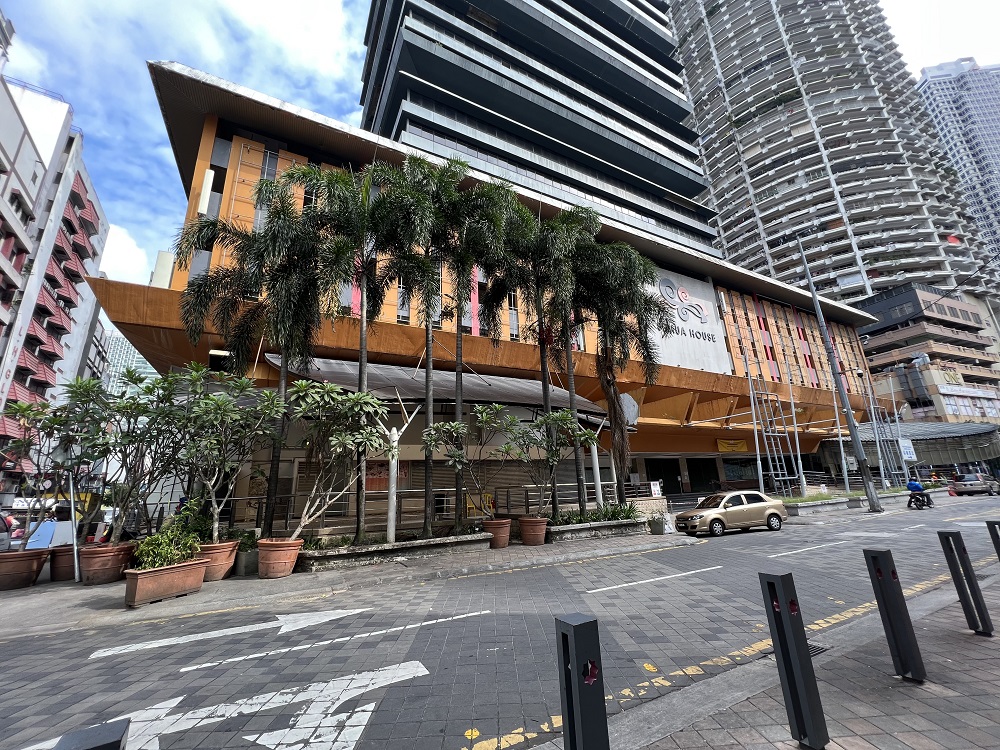
A 1980s icon for the bridal and textile trade, the building sat at the centre of a district that felt increasingly bypassed by the city’s modern retail corridors.
Tseng’s strategy for the revival was less about “saving” a building, and more about relinking it to the local trade. Instead of relying on property data alone, he looked at the specific businesses that still defined the area: the wholesale ribbon shops, the button sellers, and the heavy-duty textile importers.
He realised that while the raw materials were right there on the doorstep, the connection to a newer, creative market had been lost.
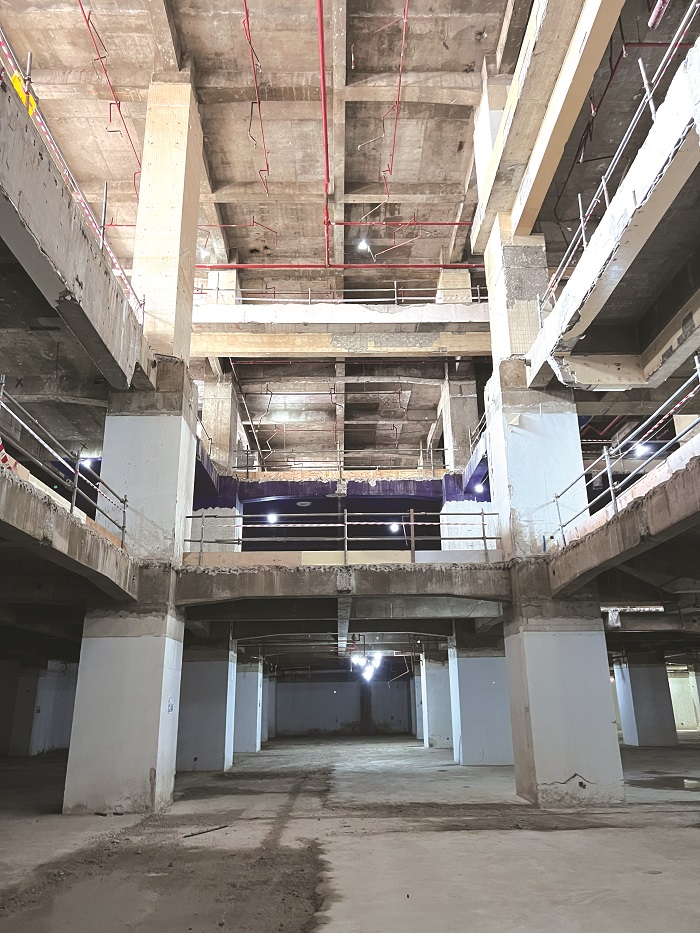
“We looked at the existing resources on site,” Tseng says. “You had the textile trades and the garment industry right there, but where was the future for it?”
The result is a bridge between the legacy merchants and the modern fashion industry.
Rather than a standard department store, Semua House now functions as a creative ecosystem where a young designer can source raw materials from the old-school traders along the street, and prototype a collection in a studio upstairs.
It is real estate acting as an incubator, leaning into the existing character of the area dubbed as Little India, rather than trying to replace it.
Measuring impact or soul
While the physical transformation of these sites are visible, the measure of its success remains a point of contention. Tseng notes a significant gap between the Malaysian approach and the international standard for urban impact.
“In Europe, cultural impact measurement is more embedded. It involves rigorous surveys, engagement across different visitor profiles, and 12 to 24 months of consistent reporting,” he says.
In Malaysia, that data-driven follow-through is often the missing piece. Without it, redevelopment risks being seen as a one-off marketing event rather than a long-term shift in the city’s health.
This obsession with the “useful building” traces back to Tseng’s upbringing in Melaka.
Growing up in a shophouse on Jonker Street, he saw architecture as a tool for survival and social life long before he saw it as an aesthetic pursuit.
“I saw heritage buildings being used in many ways, in many forms of life,” he notes.
In Melaka, a building is never a static object, but a living organism.
His later years in London and Hong Kong sharpened this further. In a city where every square inch is contested, Tseng learned the value of the “millimetre”, which in design speak, simply means the tiny, technical adjustments required to make an old space functional for a modern inhabitant.
“Hong Kong taught me how to work within extreme limitations,” he recounts.
Infinite potential
For Tseng, the work in the capital city has barely scratched the surface.
“There are many more old buildings to repurpose in this lifetime,” he says, signalling that UAD is moving towards a broader definition of urban rejuvenation.
The firm’s current pipeline is diverse, bridging high-stakes hospitality and basic civic infrastructure. They are currently tackling the redevelopment of Hotel Malaya, another iconic fixture of Petaling Street, alongside projects spanning wellness and placemaking.
UAD is also applying its logic to the city’s more functional corners. Working with the KL City Hall (DBKL) and the Housing and Local Government Ministry, Tseng says UAD is currently advising on improving the pedestrian experience in Bukit Bintang, and developing self-sustaining public toilets.
It represents a shift from high-concept redevelopment to the basic, essential fabric of the urban experience.
..........
EdgeProp's inaugural monthly print edition is fresh off the press! Free delivery is available for selected regions. Subscribe now.
Follow Us
Follow our channels to receive property news updates 24/7 round the clock.


Telegram


Latest publications
View AllFollow Us
Follow our channels to receive property news updates 24/7 round the clock.
Malaysia's Most
Loved Property App
The only property app you need. More than 200,000 sale/rent listings and daily property news.