Kuala Lumpur luxury hotel transactions rise 14% as Asia Pacific deal volumes hit US$2.1 bil in 2025, says JLL
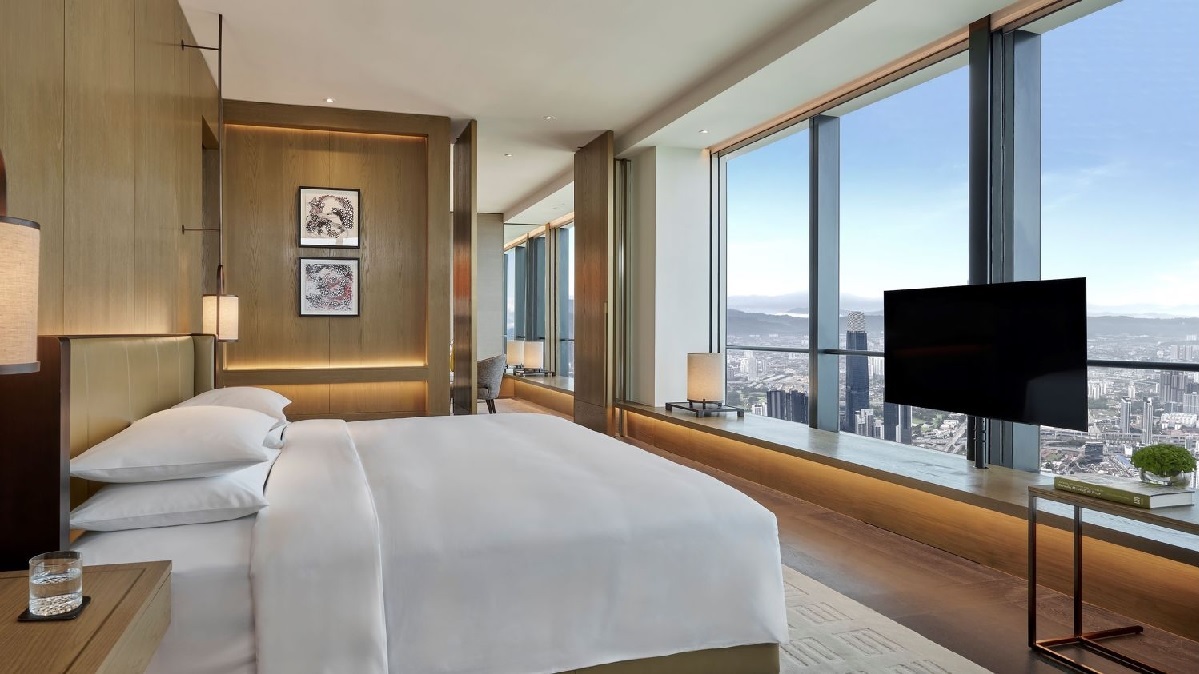
PETALING JAYA (May 28): Kuala Lumpur’s luxury hotel segment recorded transaction volumes of about RM660 million between 2023 and 2025, a 14% increase from the equivalent three-year period before the Covid-19 pandemic, as investor appetite for premium hospitality assets continued to strengthen, according to JLL.
In a report released today, the property consultancy said the luxury segment’s share of total hotel transaction volume in Kuala Lumpur expanded from 26% before the pandemic to 30% in the three years following it, supported by acquisitions involving internationally branded properties including W, Banyan Tree and the future Langham hotel.
JLL senior vice president of advisory and asset management Cho Kai Siang said developers have remained active in pursuing luxury hotel assets despite rising competition and incoming supply.
The consultancy noted that established hotel assets suitable for acquisition remain limited, as many continue to be tightly held by family-owned groups and domestic institutions — a pattern it said is consistent across major Asian gateway cities.
JLL senior vice president of hotels Joshua Tay said the shortage of available investment-grade assets has increasingly redirected investor demand towards development opportunities, although land scarcity within Kuala Lumpur remains a constraint.
“Given the city's strategic regional positioning and ongoing industrial development, we anticipate strong investor appetite whenever quality operating hotels do become available,” he said.
The report highlighted a growing pipeline of luxury hotel developments in Kuala Lumpur. In 2025 alone, two openings — the 232-key Park Hyatt Kuala Lumpur and the 466-key Kimpton Kuala Lumpur — added 698 luxury hotel keys to the market. JLL noted that the Park Hyatt is targeting room rates above RM2,000 per night, setting a new benchmark for luxury hospitality pricing in Malaysia.
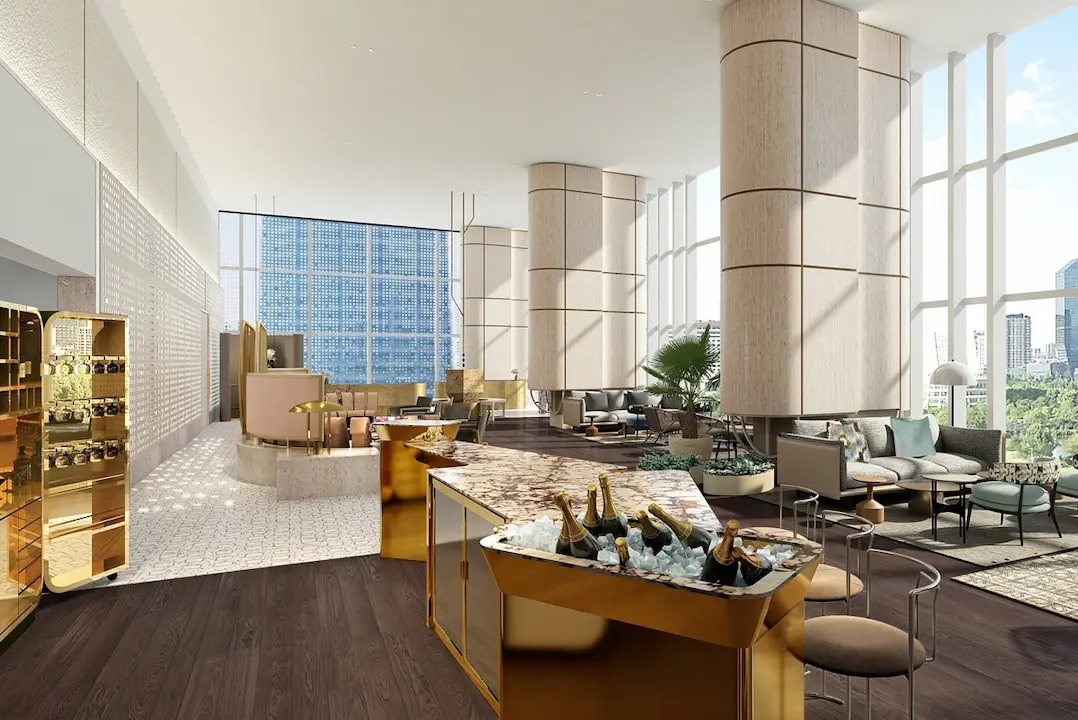
Looking ahead, JLL identified seven additional luxury hotel openings scheduled between 2026 and 2030, including Conrad Kuala Lumpur, Waldorf Astoria Kuala Lumpur, Regent Kuala Lumpur, SO/ Sofitel Kuala Lumpur Hotel, The Langham Kuala Lumpur and EDITION Kuala Lumpur.
The consultancy said Kuala Lumpur’s luxury hospitality outlook is expected to be supported by tourism recovery, international events and stronger corporate travel demand during Visit Malaysia Year 2026, which targets 47 million tourist arrivals.
JLL also cited the return of major in-person conferences and entertainment events as additional demand catalysts for the city’s upper-upscale and luxury hotel segment. The OTC Asia conference, expected to attract about 30,000 attendees, was identified as one such contributor to sustained occupancy demand.
Kuala Lumpur’s trajectory mirrors a broader regional trend. According to JLL, Asia Pacific luxury hotel transaction volumes rose 77% between 2017 and 2025 to approximately US$2.1 billion (RM8.9 billion) last year, making 2025 one of the strongest years for luxury hotel investment activity since before the pandemic, when volumes exceeded US$2.4 billion in 2019.
Luxury hotel deals accounted for almost 20% of all hotel transactions in Asia Pacific in 2025, compared with 8% in 2017 and 16% in 2019, reflecting sustained investor interest in premium hospitality assets.
JLL Hotels & Hospitality Group Asia Pacific head of advisory and asset management Xander Nijnens said the luxury hotel segment has demonstrated resilience throughout the pandemic cycle and continued attracting interest from private wealth and cross-border investors seeking long-term growth and capital preservation.
The consultancy added that luxury hotels across Asia Pacific are increasingly narrowing the occupancy gap with mainstream hotel categories, signalling more consistent year-round demand rather than purely rate-driven performance.
Supply across the regional luxury hotel segment has expanded at about 4% annually over the past decade, maintaining roughly 8% of total hotel inventory, with moderate growth expected through 2030.
JLL Hotels Research Lead Asia Pacific Marina Bracciani said the luxury hospitality market has evolved as operators introduced differentiated concepts centred on wellness, experiential travel and ultra-luxury positioning.
Despite operating costs that are nearly double those of the broader hotel market — attributed to higher staffing requirements, premium food and beverage offerings, and personalised services — JLL said luxury hotels have maintained gross operating profit margins comparable to the wider market due to stronger pricing power.
The consultancy identified Tokyo, Hong Kong and Seoul among the region’s strongest-performing luxury hotel markets.
..........
EdgeProp brings you another month of data-driven insights, exclusive interviews, and market commentaries. Subscribe now for your free copy!
Follow Us
Follow our channels to receive property news updates 24/7 round the clock.


Telegram


Latest publications
View AllFollow Us
Follow our channels to receive property news updates 24/7 round the clock.
Malaysia's Most
Loved Property App
The only property app you need. More than 200,000 sale/rent listings and daily property news.