LRT3 contractors face RM2.73m daily penalty for delays, deputy transport minister tells Dewan Rakyat
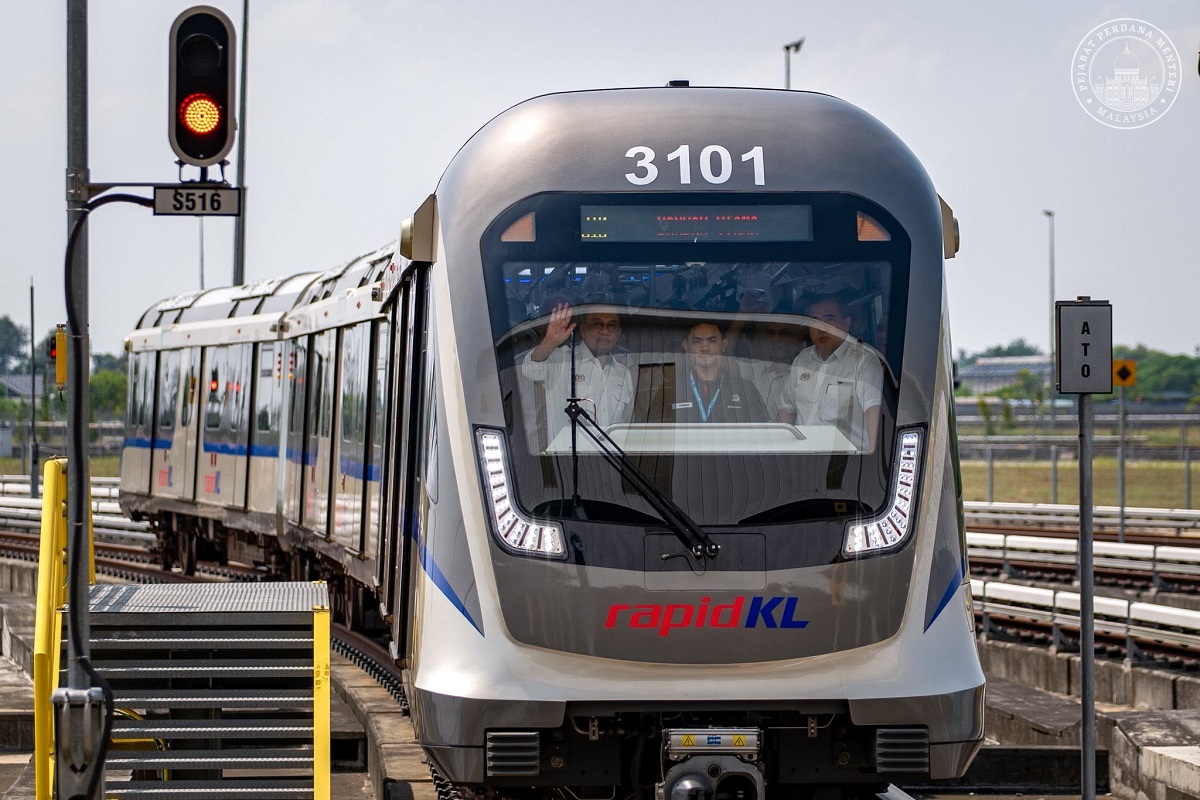
KUALA LUMPUR (June 29): Contractors appointed for the LRT Shah Alam Line, or otherwise known as LRT3, are liable for RM2.729 million in liquidated damages for every day the project is delayed, Deputy Transport Minister Datuk Hasbi Habibollah told the Dewan Rakyat.
The line was originally scheduled to open on Sept 30, 2025, but its launch was postponed to Dec 31, 2025. In December, Prasarana Malaysia Bhd, the owner and operator of the country's rail services, told reporters the opening would be delayed further after fault-free run tests detected software glitches. On June 22, 2026, Transport Minister Anthony Loke announced that the LRT3 would be launched on June 29, 2026.
Speaking in Parliament on Monday, Hasbi said the project was awarded on a fixed-price turnkey basis, meaning there has been no increase in contract costs despite the delays.
He said the project is one of the government's strategic investments to strengthen the country's public transport infrastructure and is expected to serve as a catalyst for greater public transport usage in Malaysia.
The LRT Shah Alam Line has faced several setbacks since Prasarana Bhd first announced the project in 2013. Construction began in 2016 but was halted in 2018 for a review following a change in government and concerns over funding.
The LRT3 officially began passenger services on Monday, a day after its official launch on June 28, making it the newest addition to the Klang Valley rail network.
The 37.8km line, which runs from Bandar Utama to Johan Setia, is expected to benefit about two million residents.
Prasarana is targeting an average daily ridership of 67,000 passengers in its first year of operations, rising to 117,708 within five years.
Responding to a supplementary question from Muhammad Fawwaz Mohamad Jan (PN-Permatang Pauh) on whether the cost-cutting measures introduced in 2018 would lead to overcrowding similar to that experienced on the Kelana Jaya Line, Hasbi said the current system has sufficient capacity to meet projected demand until around 2040.
He said average daily ridership is projected to reach 67,260 passengers in 2026, 126,000 in 2030, 219,100 in 2040 and 324,000 in 2050.
"We are confident the current system can meet demand in the short to medium term.
"That said, the project also includes a planned second phase. The current phase is designed to meet demand until 2030.
"Under the second phase, we plan to add five more stations and seven additional train sets," he said.
..........
Read about emerging trends, data-backed insights, growing subsectors, and expert commentaries in EdgeProp print. Subscribe now for your free copy!
Follow Us
Follow our channels to receive property news updates 24/7 round the clock.


Telegram


Latest publications
View AllFollow Us
Follow our channels to receive property news updates 24/7 round the clock.
Malaysia's Most
Loved Property App
The only property app you need. More than 200,000 sale/rent listings and daily property news.