Lessons Malaysia can learn from Denmark’s sustainable urban model
This article appeared in the July 9, 2026 issue of the monthly print edition. Subscribe now.
Consistently ranked by the United Nations among the world’s top three nations for advancing sustainable goals, Denmark is the natural ally that Malaysia is turning to as the latter reaches for sustainability aspirations of its own.
Recognising Denmark’s model of sustainable, liveable cities, the Malaysian Institute of Planners (MIP) engaged in a meaningful dialogue with the Royal Danish Embassy to glean some valuable pointers that could advance the developing country’s ambition for greener, more resilient urban environments.
The recent initiative, led by its president Hajah Mazrina Datuk Abdul Khalid and council member Fauziah Abd Jalil, underscored the importance of professional learning and cross-sector collaboration, while encouraging Malaysian stakeholders to exchange ideas and identify practical pathways to advance the nation’s urban development landscape sustainably.
In an interview with the programme’s media partner EdgeProp, Danish ambassador to Malaysia Kirstine Vangkilde Berner, and Danish Embassy head of trade Mark Perry outlined how the concept of a “healthy city” extends beyond infrastructure to encompass inclusive, accessible environments that support seamless daily movement and foster community interaction.
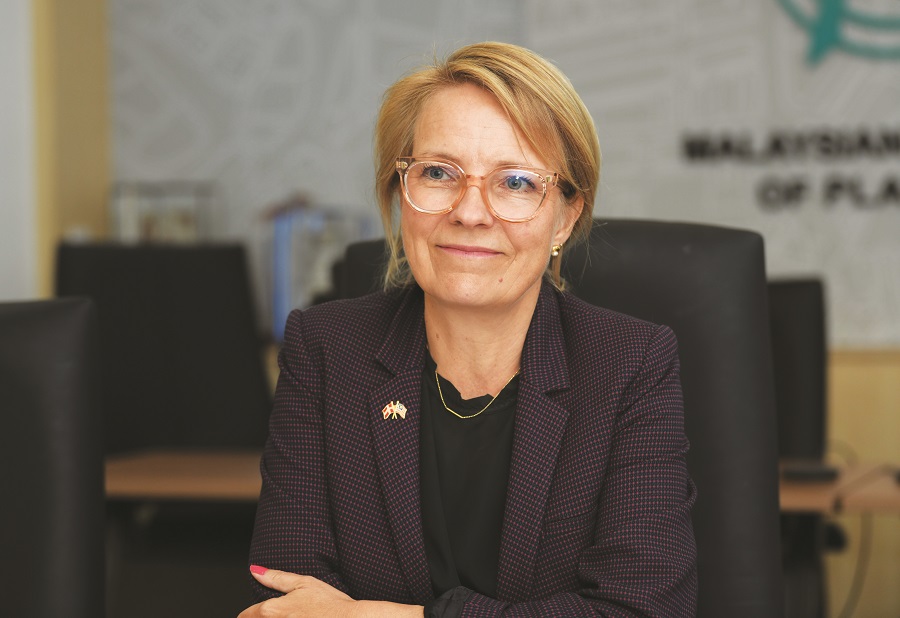
Their insights suggest that Malaysia could benefit by placing greater emphasis on both physical and social infrastructure — ensuring that urban spaces not only function efficiently but also strengthen social cohesion.
Well-planned environments that enable seamless movement between home, work and school, while encouraging the use of public spaces, were highlighted as foundational to this vision.
Legally-binding climate targets
The discussion pointed to Denmark’s longterm, policy-driven approach. Denmark’s legally-binding climate targets were cited as a framework, underpinned by structured public-private partnerships across sectors including construction, manufacturing, and wastewater management.
“Denmark has one of the most ambitious climate targets. We aim to reduce emissions by 70% in 2030, 82%–85% in 2035, and reach climate neutrality by 2045, and we have legally-binding regulation through the Danish Climate Act,” said Berner.

A key feature of Denmark’s approach is the establishment of cross-sector climate partnerships that bring together government and industry to accelerate the implementation of energy-efficient solutions.
Berner noted that similar models could offer insights for Malaysia, particularly in improving building energy efficiency, which accounts for a significant share of urban emissions.
Long-term investment over short-term fixes
Sustainable urban transformation requires sustained, long-term investment rather than shortterm interventions, noted Perry.
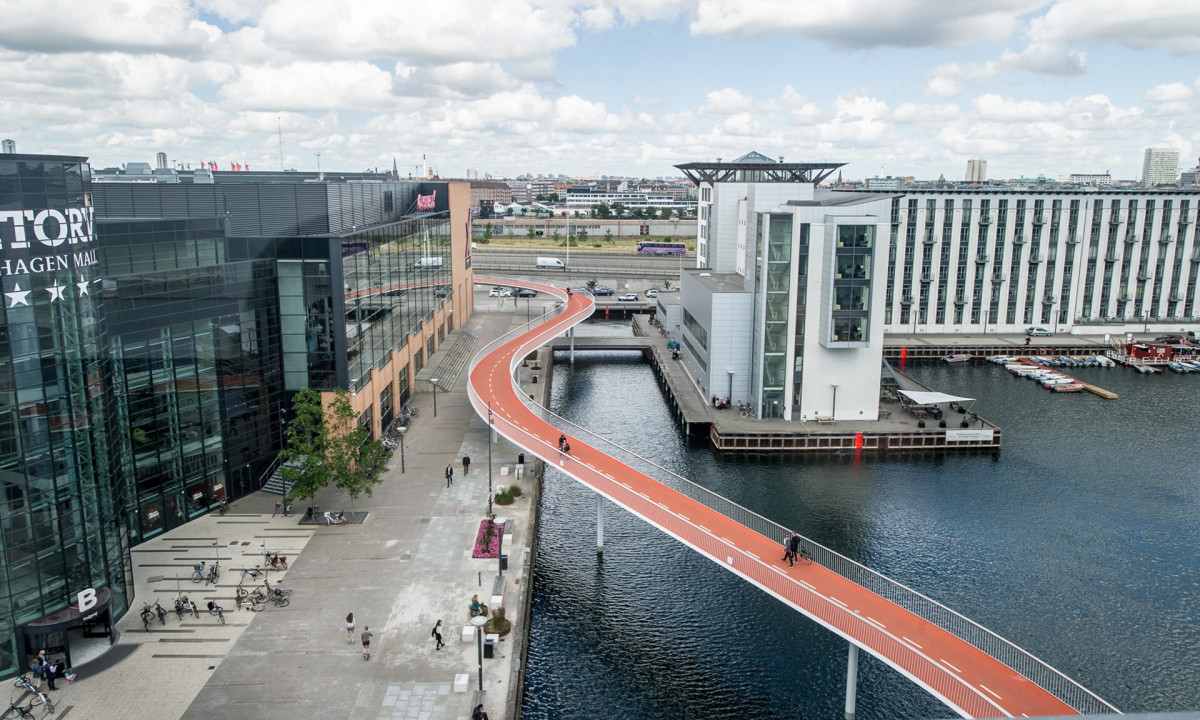
The rehabilitation of Copenhagen’s harbour into a clean, swimmable public space was cited as an example of how coordinated environmental investments can enhance liveability, public health and economic value over time.
Urban health was also framed as a broader economic consideration, with the discussion noting that well-designed liveable cities with clean air, green public spaces, good sanitation, and ample opportunities for walking and bicycling can reduce the burden of non-communicable diseases and, in turn, lower healthcare costs.
A healthy city is one where public space encourages healthy living as well as serves as social infrastructure. This means there needs to be highly inclusive spaces that are not only green and sustainable, but also encourage social interaction and physical activity, added Berner.
As such, investments in infrastructure such as pedestrian networks, cycling lanes and shaded public spaces were described as contributing not only to environmental goals, but also to improved public health outcomes.
Walkable, cyclable areas linked to integrated networks
From an urban design perspective, the conversation highlighted emerging practical approaches such as “pocket connectivity”, where existing walkable and cyclable areas are linked to form more integrated networks.
This approach was presented as a potentially cost-effective way to improve mobility and liveability without requiring large-scale infrastructure overhauls.

Inclusivity and accessibility were also identified as central to Denmark’s planning philosophy. Infrastructure such as cycling lanes, pedestrian pathways, parks and waterfronts are designed to be universally accessible, supported by early and continuous citizen engagement in planning processes.
Sustainable urban development can also generate broader economic benefits, including increased property values, tourism appeal and talent attraction.
Denmark’s experience in decoupling economic growth from carbon emissions was cited as evidence that environmental sustainability and economic development can progress in tandem.
“We can actually decouple economic growth from emissions. There is no need for emissions to increase in order to have economic growth,” said Perry.
Inter-sector, not silo planning, is key
Other key insights included the importance of integrating planning across sectors rather than working in silos, as well as strengthening collaboration between public authorities, industry players, and communities.
“The cross-sectoral, holistic approach, [which also involves] dialogue with citizens and local businesses, is where you really have an inclusive process that benefits society as such,” said Berner.
This participatory approach was noted as a key factor in ensuring long-term policy continuity and public ownership of development initiatives.
..........
Read about emerging trends, data-backed insights, growing subsectors, and expert commentaries in EdgeProp print. Subscribe now for your free copy!
Follow Us
Follow our channels to receive property news updates 24/7 round the clock.


Telegram


Latest publications
View AllFollow Us
Follow our channels to receive property news updates 24/7 round the clock.
Malaysia's Most
Loved Property App
The only property app you need. More than 200,000 sale/rent listings and daily property news.