Strata system under pressure from awareness gaps, financing, ageing assets
This article appeared in the July 9, 2026 issue of the monthly print edition. Subscribe now.
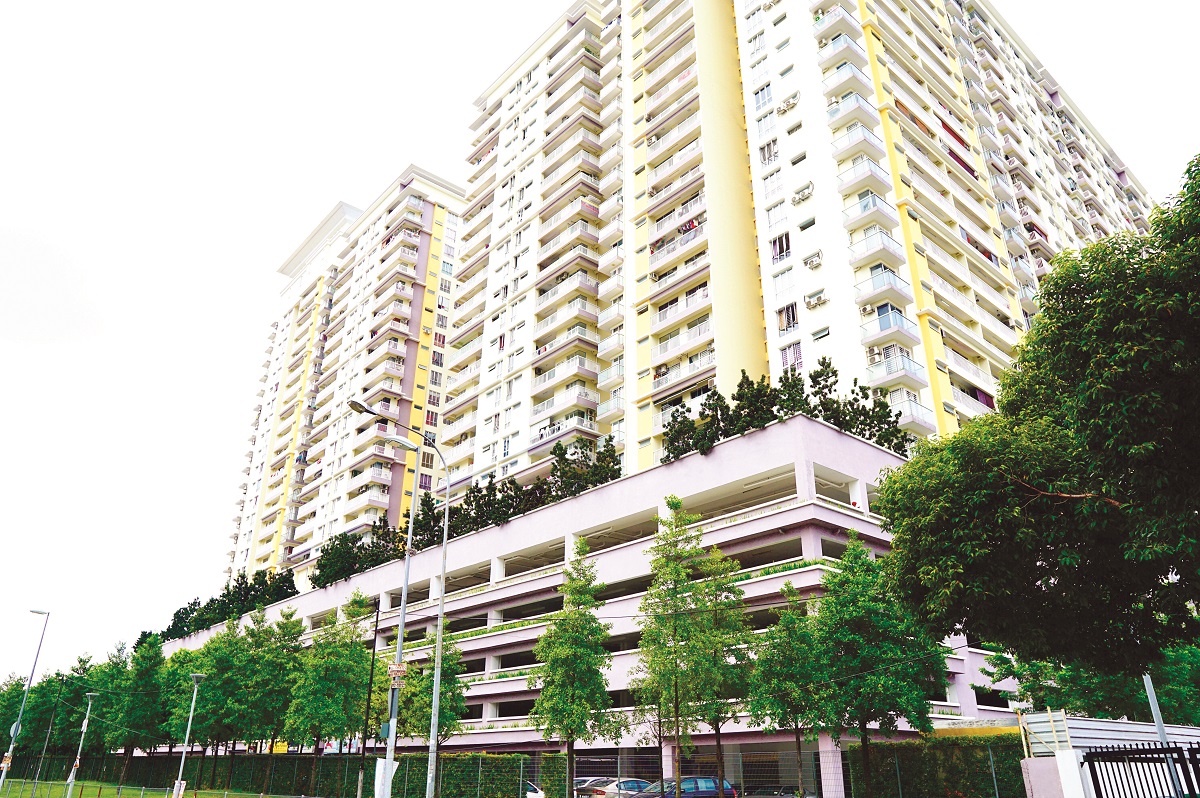
Malaysia’s strata system may look well built on paper, but on the ground, cracks are showing in awareness, enforcement, financing, and ageing infrastructure — raising questions about how effectively it really works in practice.
As part of the review of the Strata Management Act 2013 (Act 757) (SMA), the Housing and Local Government Ministry (KPKT) is gathering input from various quarters, including the Strata Conference 2026: Towards First-Class Strata Management organised by the Kuala Selangor Municipal Council (MPKS), with EdgeProp as media partner.
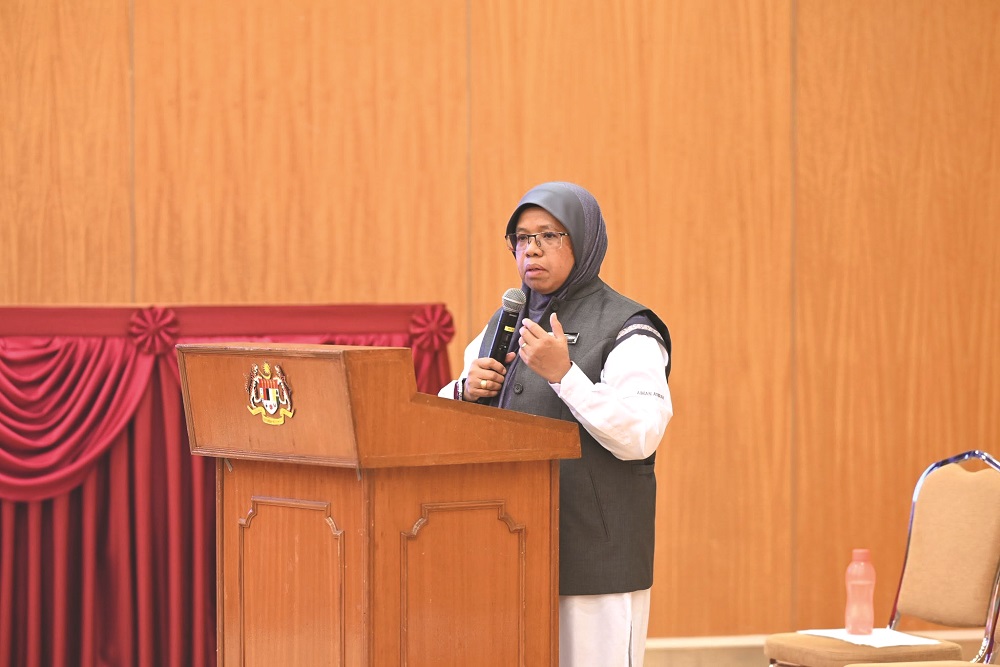
In officiating the event, held in Shah Alam last month, KPKT deputy minister Datuk Aiman Athirah Sabu said the move aims to ensure the legislation remains relevant to the rapid development of the property industry and current needs of high-rise residential management.
At the same time, the conference speakers said, while the SMA remains broadly sufficient in structure, its effectiveness ultimately depends on stakeholder understanding, compliance and long-term execution capacity.
Legal framework strong, but owners’ knowledge weak
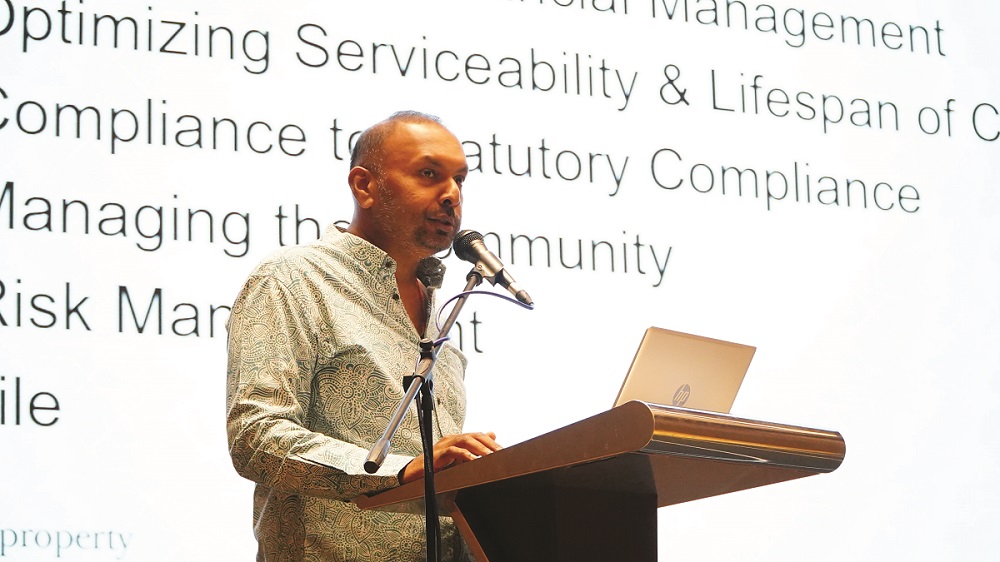
National Housing Department Strata Management Division assistant director Zamri Ishak said Malaysia’s strata management framework is supported by a well-drafted legal structure, but many owners lack sufficient knowledge regarding their responsibilities under the SMA, which affects governance effectiveness.
Ongoing amendments to the SMA aim to address such gaps to enable strata committees to fulfil their responsibilities more effectively, he told EdgeProp.
“This Act is fundamentally about people. We are dealing with humans living in a strata community,” he pointed out.
Conflicts will continue regardless of how comprehensive the legislation is, as non-compliance will always exist. However, the key challenge lies in improving awareness, understanding and compliance among owners and residents.
Zamri also pointed to structural bottlenecks in the formation of management corporations (MCs) as a weak point in the strata lifecycle.
Under the current framework, MC formation requires at least 25% of proprietors to execute the memorandum of transfer before the transition can proceed.
“If this does not happen, the developer must continue managing the strata scheme,” he said.
This creates challenges as developers are officially meant to manage the property only up to 12 months, and Zamri said this remains a key governance transition issue.
Avoid using group chats to voice grievances
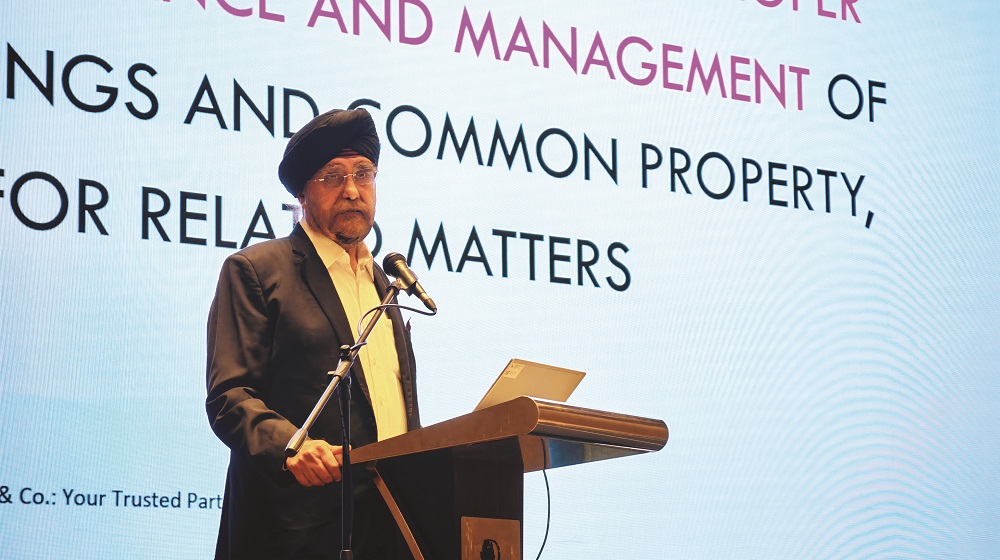
Nor & Co partner Datuk Pretam Singh Darshan Singh said reform and governance-related disputes remain among the most recurring issues in Malaysia’s strata sector despite repeated legislative updates.
“There are a lot of defamation cases coming up,” he said, adding that digital group chats are increasingly used as communication channels even though the SMA provides formal mechanisms.
Pretam says these platforms often become spaces where residents vent frustrations, sometimes without considering legal consequences.
“People should avoid using group chats as a formal communication channel,” he cautioned.
Emotionally-charged exchanges can escalate into defamatory statements, leading to disputes and legal action. Furthermore, lawyers should also avoid becoming directly involved in such group chats, as this can further complicate disputes within strata communities.
“There is nothing in the SMA that requires WhatsApp groups,” he stated.
Pretam reiterated that the issue is not legal ambiguity but lack of awareness. For example, Sections 148 and 149 are often misunderstood despite being clearly stated.
Section 148 provides that once the Act applies, any prior agreements or arrangements relating to the maintenance and management of common property cease to have effect if they are inconsistent with the Act.
Meanwhile, Section 149 prohibits parties from “contracting out” of the Act, meaning management bodies, parcel owners, and even enforcement authorities must operate within the framework prescribed by the legislation.
Pretam added one common example is the continued use of deeds of mutual covenants despite provisions within the Act that prohibit parties from contracting out of its requirements, with only additional bylaws allowed.
He explained many stakeholders continue to rely on advice that contradicts the legislation, often because they are unaware of the relevant legal provisions.
On whether strata disputes stem from legal ambiguity or weak enforcement, he said: “It’s awareness, not ambiguity. The Act already exists and is well thought out”.
Asked what the common types of conflict are, Pretam said they vary.
“It depends on the issue. Developers are typically at the centre of disputes involving building defects, particularly common property defects.
“Management-related disputes are more commonly associated with joint management bodies (JMBs) and MCs, which handle day-to-day administration,” he said.
Financial pressure, enforcement limits, civic behaviour strain operations
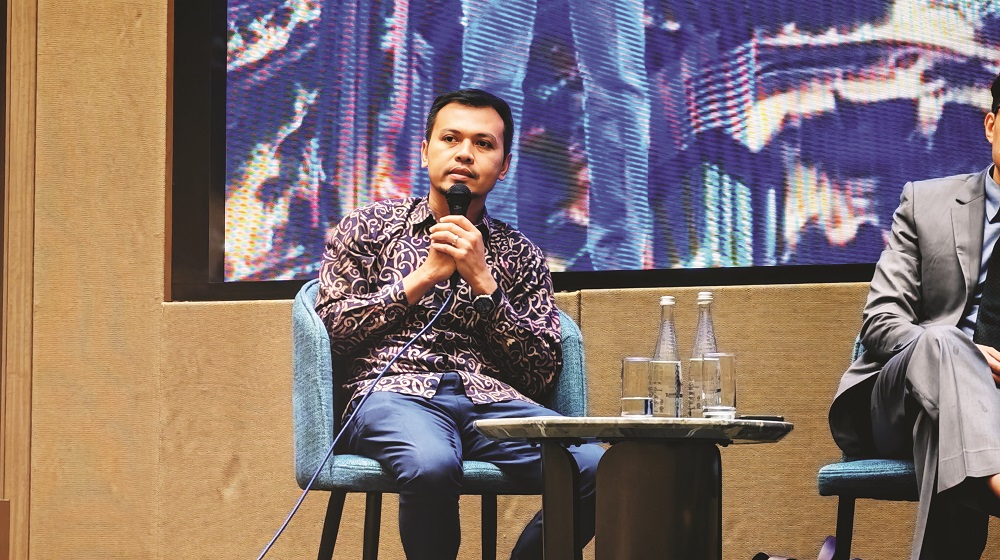
Knight Frank Malaysia director Nageswaran Muniandy stressed Malaysia’s strata ecosystem has improved significantly over the years, and is in fact considered one of the best in the region. In his view, this has been driven by greater public awareness, technology adoption, and a better understanding of the SMA among property owners.
He said many medium-high and high-end strata developments are performing well and have demonstrated strong management standards. However, low-cost housing developments continue to face significant challenges due to affordability constraints affecting financial sustainability.
Maintenance costs remain unavoidable, even in affordable housing projects, as essential infrastructure such as lifts, water tanks, mechanical and electrical (M&E) systems, and safety components still require regular upkeep. Addressing these challenges will require policy support from state governments and local authorities to ensure the long-term sustainability of stratified developments.
“Without that, sustainability becomes compromised as the SMA itself is not fundamentally flawed, but requires targeted refinements to keep pace with changing industry conditions and future needs,” he said.
Nageswaran also added the key operational challenge facing MCs and JMBs is financial management, particularly budget and collection of service charges and sinking funds.
Many JMBs and MCs operate on tight budgets and often have less than a 10% buffer. Even when collection rates are high, insufficient buffers still lead to cash flow shortages over time.
“Imagine if only 90% of parcel owners pay, or less — they won’t be able to cover monthly operating expenses because collections fall short,” he said.
Nageswaran stated risk management is another major challenge, given the numerous statutory laws outside the SMA that directly or indirectly impact strata developments. Statutory laws imposing fines, which is sometimes not straightforward,” he elaborated.
Ageing infrastructure exposes long-term maintenance reality
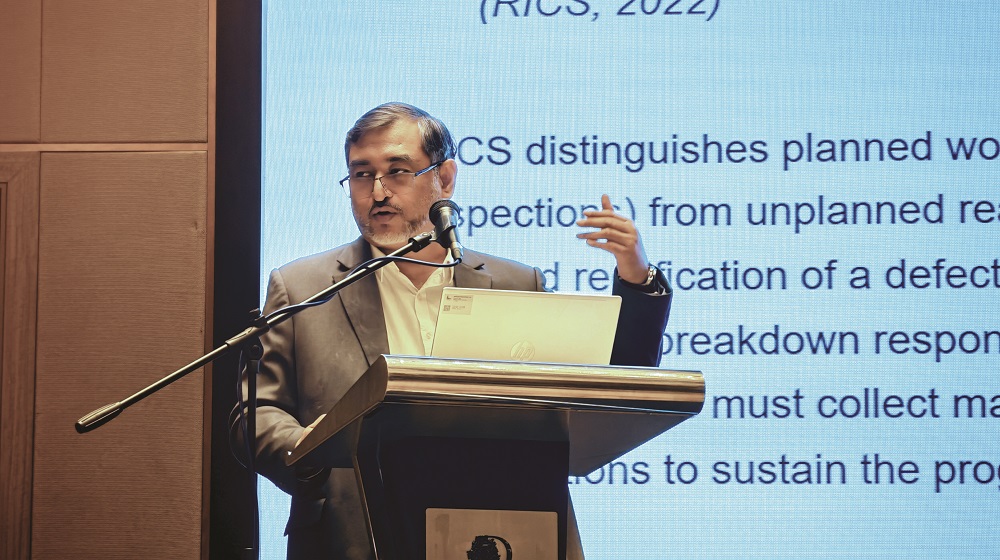
Avancer FM Services Sdn Bhd founder Mohd Mazhar Mohd Marzuki explained that ageing strata developments must first reassess the condition of their buildings, as different components deteriorate at different rates.
Some components may have already exceeded their useful lifespan and could be causing disruptions, making it necessary to conduct assessments and restore the building’s overall condition to a common baseline.
“Whatever components or systems that have already aged must be renewed, upgraded, or addressed so that you reach a ‘reset point’,” he told EdgeProp.
Mazhar said once ageing components are addressed, management bodies must establish or re-establish a proper maintenance regime by optimising planned and unplanned maintenance.
Maintenance planning must also take into account the demographic profile of residents and users, as this influences how facilities are used, the extent of vandalism, residents’ understanding of maintenance requirements, and their willingness to pay maintenance charges on time.
While awareness of preventive maintenance is improving, many developments, landlords, JMBs, and MCs continue to operate in a reactive mode, waiting for assets to fail before taking action, despite some equipment requiring scheduled preventive maintenance.
He explained deferred maintenance, particularly involving moving parts and rotating machinery, initially reduces performance before causing damage to critical components, and eventually disrupting operations.
“Maintenance planning should be long-term, or at least medium-term, three to five years.
“All disruptions, breakdowns in maintenance, are usually very expensive, and high-risk as well,” Mazhar added.
Management committee terms of three to five years would provide greater continuity and reduce short-term decision-making, while longer contractor engagements could encourage more meaningful investment in building upkeep, Mazhar opined.
Mazhar added the biggest challenge facing Malaysia’s strata ecosystem today is the ageing of buildings and infrastructure.
“While preventive maintenance can extend the life of assets, many ageing systems eventually require significant capital expenditure for repairs, replacements or upgrades,” he said.
He added that in the case of commercial buildings, landlords sometimes become trapped in a “chicken-and-egg” situation where they either need funds before carrying out repairs or upgrades, or undertake improvements in the hope of attracting more tenants and generating future revenue.
“As for strata schemes, some ageing buildings face the same situation: they need sufficient collections before carrying out major works, but poor building conditions can weaken confidence, depress asset value and make owners less willing to approve higher charges,” Mazhar pointed out.
..........
Read about emerging trends, data-backed insights, growing subsectors, and expert commentaries in EdgeProp print. Subscribe now for your free copy!
Follow Us
Follow our channels to receive property news updates 24/7 round the clock.


Telegram


Latest publications
View AllFollow Us
Follow our channels to receive property news updates 24/7 round the clock.
Malaysia's Most
Loved Property App
The only property app you need. More than 200,000 sale/rent listings and daily property news.