From gridlock to growth: Can Malaysia adapt the Singapore, Hong Kong TOD models?
This article appeared in the July 9, 2026 issue of the monthly print edition. Subscribe now.
Housing policy should no longer be judged by the sheer number of units delivered, but by the quality and accessibility of the connections those units create — to jobs, services and opportunities. In Malaysia, the national conversation is shifting decisively from volume to location. We are moving away from isolated residential developments towards transit‐integrated, mixed‐use neighbourhoods that fundamentally reshape urban mobility.
The recent launch of the LRT3 Shah Alam Line has further crystallised these policy signals: Transport Minister Anthony Loke Siew Fook’s direction to accelerate transit‐oriented developments (TODs) around LRT stations, the identification of strategic LRT3 parcels for redevelopment, and MRT Corp’s RM600 million joint venture with IJM Land at Cochrane MRT all suggest that TOD is moving from policy aspiration to operational priority.
TOD as traffic blueprint and productivity multiplier
At its heart, TOD serves as a Vehicle Kilometres Travelled (VKT) reduction model. By co-locating homes and services within walking distance of high‐quality transit, we move towards a decarbonised mobility framework that naturally lowers car dependency. This translates into a more efficient urban fabric, characterised by reduced pressure on arterial roads and enhanced travel‐time reliability.
For the average Malaysian urban household, this is a productivity dividend. Every hour reclaimed from a gridlocked commute is an hour reinvested into economic output or family life.
Furthermore, global fuel‐price volatility makes heavy reliance on private transport a strategic risk. Reducing car dependency strengthens national energy resilience and shields household budgets from oil‐market shocks.
In short, TOD makes our cities less fuel‐vulnerable and more economically efficient.
Lessons from regional giants
Malaysia can look to Singapore and Hong Kong for enduring lessons on integrating land and transit to benefit both public and private sectors. These cities treat housing and transport as a single, symbiotic ecosystem.
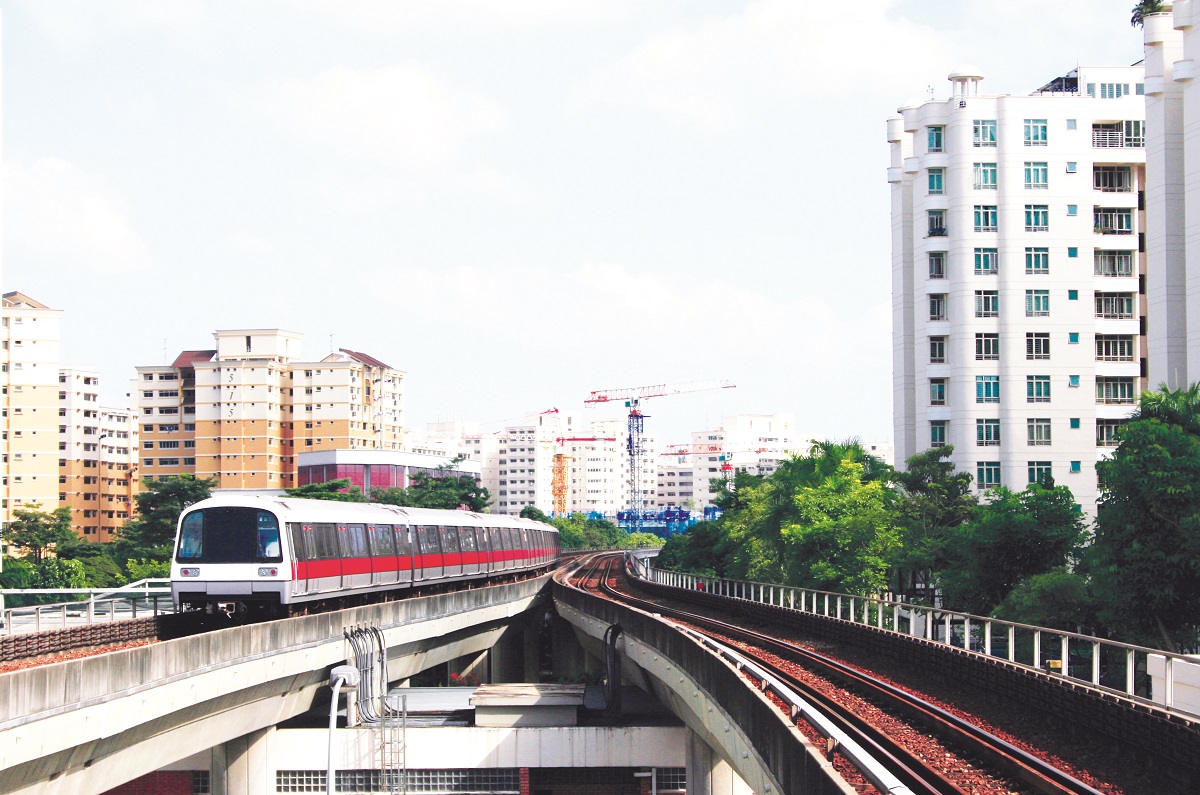
In Singapore, the Housing & Development Board (HDB) and the Land Transport Authority work in lockstep. New MRT lines are planned years in advance alongside adjacent land for public housing, ensuring that when stations open, dense residential precincts are already occupied and ridership is secured from day one. Integration also allows for “value capture”, where land sales in TOD zones flow into a consolidated fund that cross‐subsidises affordable housing and infrastructure.
Hong Kong’s MTR Corp pioneered the “Rail‐plus‐Property” model. Here, the transit agency acts as a master developer, partnering with the private sector to build residential and commercial projects above stations. The resulting recurring income cross‐subsidises rail operations and expansion, creating a financially sustainable loop.
This provides a win‐win: the public gets better‐located housing, and the transport authority secures the long‐term revenue needed to maintain world‐class infrastructure without perpetual reliance on government subsidies.
The Malaysian context: from parking to people
The momentum for this “win‐win” approach is building locally. Loke’s call to repurpose massive surface car parks at LRT stations into integrated developments reflects a decisive shift towards a people‐oriented design.
The question is no longer why prime land is used for idle cars, but how quickly it can be reprogrammed to house families and sup‐ port daily life.
The identification of LRT3 parcels — such as Sri Andalas, Kayu Ara and Bandar Bukit Tinggi — as potential TOD sites shows that proximity is finally being prioritised over parking.
Similarly, the MRT Corp–IJM Land venture at Cochrane illustrates a new institutional evolution: transport agencies are becoming proactive development partners, ensuring that station areas feature the human‐scale urbanism needed to drive ridership and reduce pollution.
However, these ambitions will only materialise if all housing‐related stakeholders follow through on delivery.
Why density alone is not enough
To truly realise the potential of a traffic‐mitigation blueprint, density must be paired with specific design elements.
*Mixed‐use integration: Retail and professional services must be within walking distance to reduce the need for ancillary car trips.
*First/last‐mile design: Safe, sheltered walkways and bike lanes make transit a convenient and attractive choice.
*Demand management: Replacing surface lots with structured parking and adopting lower parking ratios near stations encourages a shift in ownership habits.
*Social inclusion: Building modern, affordable units near stations ensures that lower‐in‐ come households — who benefit most from reduced transport costs — can access transit‐proximate locations.
Without these elements, high‐rise density risks becoming vertical gridlock, rather than a catalyst for greener, more efficient mobility.
Smart governance, AI and digital twins
Planning these complex environments requires modern tools. This is where Smart City technology becomes a game‐changer. Digital twins — virtual replicas of our urban environments — allow planners to test scenarios: How will 5,000 new affordable units affect local traffic, transit loads and social infrastructure needs?
AI‐driven analytics can identify under‐utilised land parcels and predict where housing demand is highest. However, technology only works if governance aligns. We need a shared federal‐state vision where transport planners and housing authorities operate on integrated data platforms to ensure infrastructure investment is optimised.
Governance and finance: the hard questions
Unlocking the potential of TOD requires confronting difficult institutional questions.
1. Zoning and land release: Overlapping federal and state controls must be streamlined to create predictable pathways for TOD projects.
2. Value capture: As land value rises around new stations, mechanisms should be in place to recycle part of that uplift into community facilities and affordable housing.
3. Joint ventures: Standardised contracts are needed to preserve public connectivity while ensuring commercial viability for private developers.
In essence, Malaysia must build not only TOD projects, but a repeatable TOD playbook — one that aligns regulation, finance and design around long‐term public outcomes.
A timely conversation: Regional Housing Conference
These cross‐cutting challenges are the focus of the upcoming Real Estate and Housing Developers’ Association (Rehda) Institute Regional Housing Conference 2026 on July 29, held as part of a strategic partnership under the Housing and Local Government Ministry (KPKT)’s Asean Real Estate Conference (Arec).
The forum is designed to bridge the gap between policy and implementation through two core themes:
*Theme 1 (Smart & Urban Cities): Focusing on how AI and digital twins can support housing planning and site selection
*Theme 2 (Unlocking Land and TOD): Exploring the zoning, land‐release and value‐capture tools used in the UK, Hong Kong and Singapore
The conference provides a space to evaluate recent pilots, such as the MRT Corp–IJM model, and to stress‐test revenue‐sharing frameworks.
It is where federal transport agencies and state governments can align their visions to ensure that TOD reduces congestion and fossil‐fuel dependence without causing social displacement.
Conclusion
Malaysia’s housing challenge is no longer just a numbers game; it is a challenge of geography and efficiency. By building modern, affordable homes at the heart of our transit networks — and by adapting the win‐win financial and governance models of our regional neighbours rather than copying them whole‐ sale — we can turn “gridlock into growth”.
If we get the governance, the data and the delivery models right, TOD can help deliver a Malaysia that is less congested, more fuel‐resilient and more liveable. The upcoming Regional Housing Conference will be a vital step in moving these conversations from ad‐hoc pilots to a national framework that reshapes urban living for generations to come.
Disclaimer: This article is intended for general information purposes only. While every effort has been made to ensure accuracy, the author shall not be held liable for any errors, omissions, or any losses or damages arising from the use of this information. The content represents personal observations and reflections; it does not constitute professional advice nor the official position of any organisation.
ABOUT REHDA INSTITUTE
As a leading Malaysian social enterprise and regional think tank, Rehda Institute bridges the gap between policymakers, industry leaders and academia. Under the strategic leadership of chairman Datuk Jeffrey Ng Tiong Lip and an eminent board of trustees representing the nation’s industry captains, the institute regularly collaborates with government ministries and Asia‐Pacific regional partners to shape the future of real estate. In partnership with the Ministry of Housing and Local Government (KPKT), the Institute’s Regional Housing Conference is held in conjunction with the Asean Real Estate Conference (Arec). To find out more, visit www.rehdainstitute.com.

ABOUT THE AUTHOR
David S Chong is the chief operating officer of Real Estate and Housing Developers’ Association (Rehda) Institute, where he manages the Institute’s strategic initiatives and stakeholder engagements. Working closely with the chairman and board to advance the institute’s mission, he is one of the convenors of the Regional Housing Conference and is dedicated to fostering industry‐wide collaboration across the real estate ecosystem.
..........
Read about emerging trends, data-backed insights, growing subsectors, and expert commentaries in EdgeProp print. Subscribe now for your free copy!
Follow Us
Follow our channels to receive property news updates 24/7 round the clock.


Telegram


Latest publications
View AllFollow Us
Follow our channels to receive property news updates 24/7 round the clock.
Malaysia's Most
Loved Property App
The only property app you need. More than 200,000 sale/rent listings and daily property news.