Seoul’s urban transformation: blueprint for Malaysia or cautionary tale?
This article appeared in the July 9, 2026 issue of the monthly print edition. Subscribe now.
Urban regeneration has become an increasingly important policy consideration for cities facing ageing infrastructure, changing economic conditions and identity preservation amid development pressures.
In this context, Seoul’s experience over the past decade offers valuable insights into both the opportunities and limitations of urban regeneration. The city has been consistently recognised in United Nations-Habitat reports as the “best-practice city” for integrating community participation, environmental restoration and smart mobility into regeneration, However, Seoul’s journey to this point is not without valuable lessons, experts tell EdgeProp in exclusive interviews.
While the South Korean capital has successfully transformed several former industrial and historic districts into vibrant urban destinations, experts caution that regeneration must balance economic dividends, heritage preservation and social wellbeing.
For Malaysia, where historic urban centres such as George Town in Penang, Ipoh old town in Perak, and parts of Kuala Lumpur continue to evolve, Seoul’s experience provides lessons that extend beyond physical redevelopment.
According to urban regeneration practitioners and researchers, successful renewal depends not only on buildings and infrastructure, but also on governance, community participation, local economic development and long-term planning.
The shift from redevelopment to regeneration
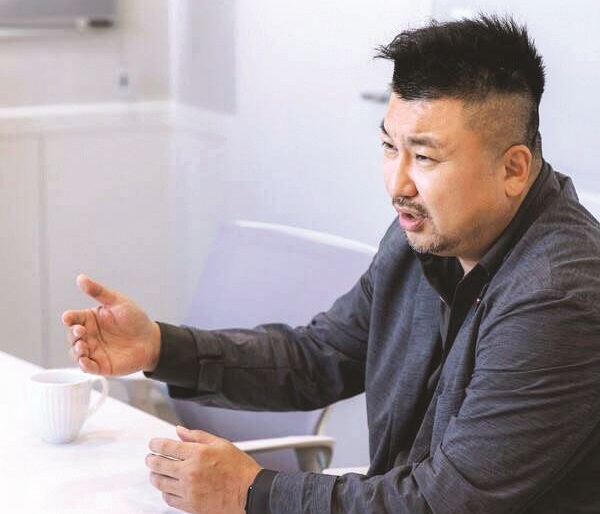
According to South Korean-based Martello Regional Revitalisation CEO Chung Hoon Jeon, the country’s urban regeneration journey can be understood as a broader shift in philosophy.
“South Korea’s urban regeneration can be summarised as a paradigm shift — from demolition-and-rebuild redevelopment to preservation-and-regeneration,” he says.
The change accelerated following the enactment of South Korea’s Special Act on Urban Regeneration in 2013, which redirected attention from large-scale demolition towards revitalising existing urban assets. Rather than replacing entire neighbourhoods, regeneration efforts sought to preserve physical structures, strengthen local economies and reactivate communities.
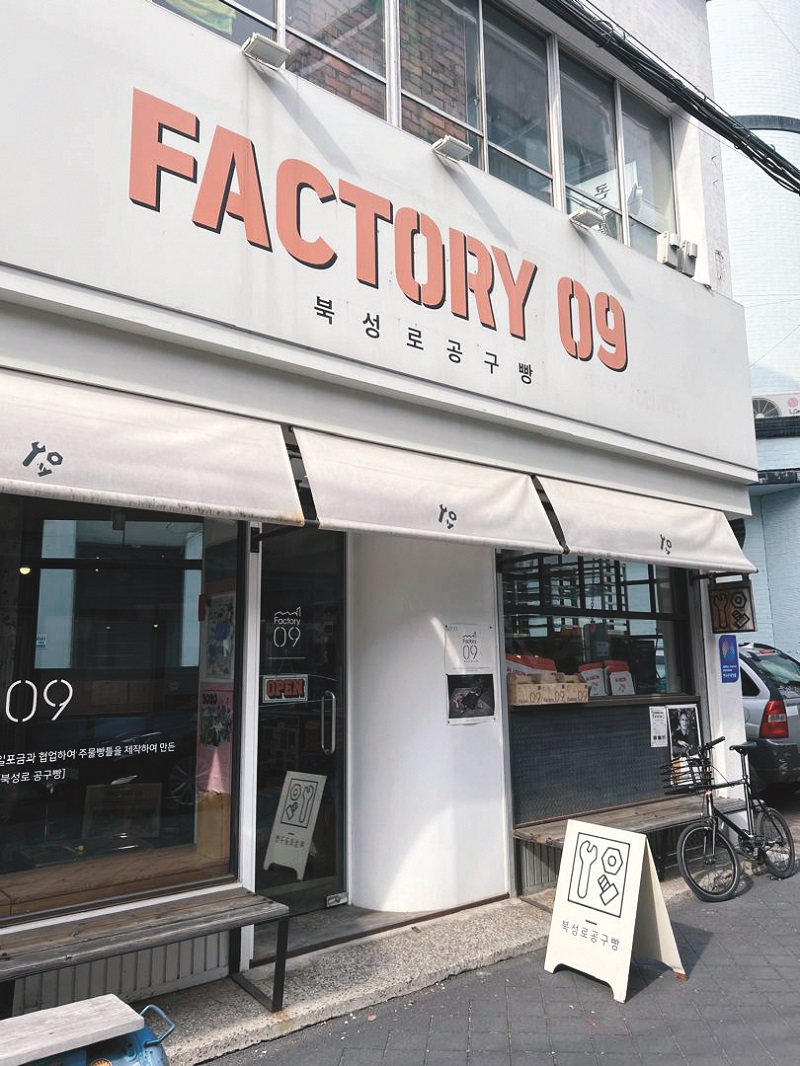
Chung experienced this transition first-hand through his involvement in Buk-seongro in Daegu, an industrial district known for its hardware and machine shops. Regeneration efforts there focused on preserving historic buildings while simultaneously supporting people, businesses and programmes that could sustain the district’s identity.
This dual approach, argues Chung, is the one that matters most for Malaysia.
“Success depends on not separating building regeneration from people regeneration.
Fix only the buildings and rents will rise until the original residents are pushed out [via gentrification]. If the focus is on people and social enhancements alone, then the place loses its [physical and cultural] identity. The two must be designed as a single package,” Chung stresses.
Seongsu-dong as a public-private partnership model
One of Seoul’s most frequently cited urban regeneration examples is Seongsu-dong. Once an industrial district associated with small-scale manufacturing and shoemaking, the area has undergone a significant transformation.
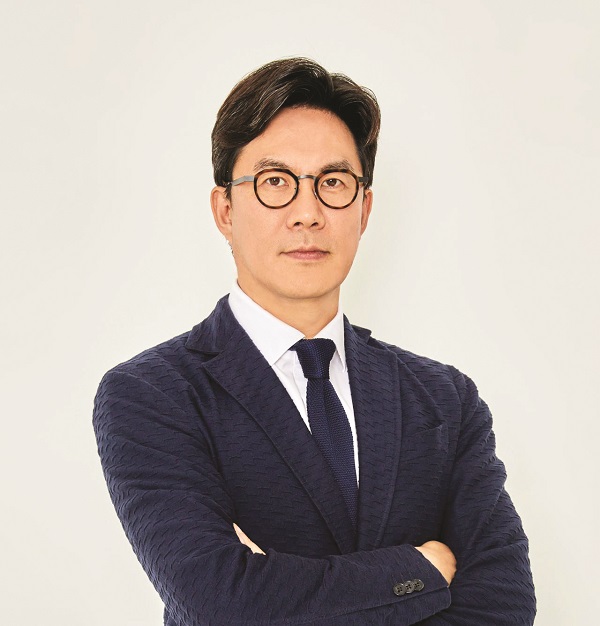
Seoul National University Graduate School of Environmental Studies professor Kim Kyung-Min describes Seongsu-dong as an example of effective collaboration between government and private sectors.
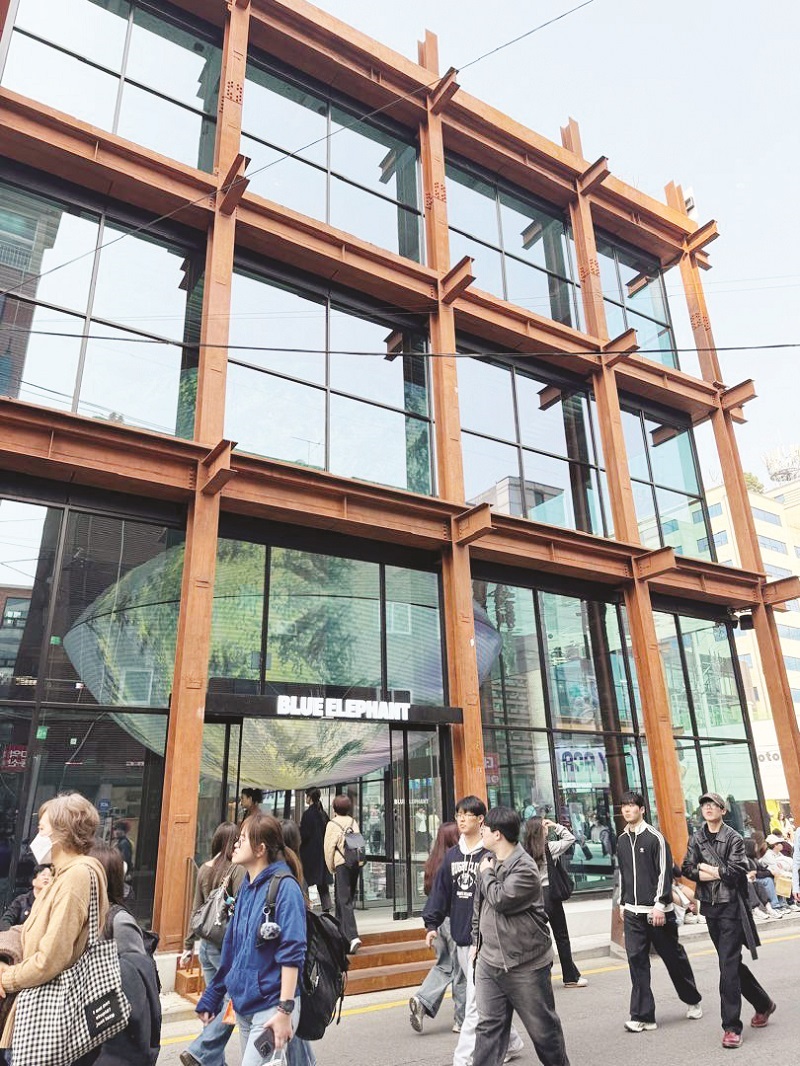
“Seongsu-dong is a prime example of successful urban regeneration, serving as a standout model of public-private partnership,” he says. According to Kim, the Seongdong-gu District Office played a proactive role in establishing partnerships with small private enterprises and creating a supportive business ecosystem. Rather than relying solely on physical redevelopment, the district government helped cultivate conditions that encouraged business growth and investment.
The outcome is not merely the creation of a popular tourist destination. Seongsu-dong has evolved into one of Seoul’s five major office clusters, demonstrating how urban regeneration can contribute to broader economic development.
For Malaysia, Kim believes that public institutions have an important role to play in setting long-term visions and creating an environment that enables private-sector participation. Local authorities can act as facilitators, helping businesses thrive while ensuring that regeneration aligns with broader community objectives.
“The key insight I would offer to Malaysia is the importance of public organisations, like the Seongdong-gu Office, setting a future-oriented vision and providing the necessary support to empower the private sector to thrive,” Kim says.
The risks of success
However, Seongsu-dong also illustrates the challenges that can accompany successful regeneration.
Pollin8 Sdn Bhd director Lee Jia-Ping observes that the district’s transformation has been driven by entrepreneurship, branding, and consumer demand. (Pollin8 is actively involved in urban regeneration placemaking projects in South Korea and Malaysia.) In Seongsu-dong, former factories and industrial buildings have been converted into cafes, galleries, flagship stores and creative spaces, attracting significant visitor interest.
However, this popularity has created new pressures.
What was once a fading industrial district now faces increasing congestion, rising costs and concerns about over-commercialisation.
Lee notes that many retail experiences found in Seongsu-dong can also be found in other major Asian cities, leading some visitors to question whether the district is losing its distinct local identity.
The area’s evolution highlights a broader challenge facing regeneration projects: how to maintain authenticity while pursuing economic growth. Chung similarly identifies Seongsu-dong as an example of market-driven gentrification.
Despite efforts to preserve local industries and integrate economic and spatial planning, rising property values have ultimately displaced many original residents and businesses.
This outcome reflects what he describes as the “paradox of activation” — when commercial success drives rent increases that push out the very communities that helped create a neighbourhood’s character.
Preservation versus progress
A recurring theme among the experts is the need to balance development with preservation.
Kim expresses concern that many current urban development approaches in Seoul continue to rely heavily on large-scale demolition.
“Ultimately, leadership — starting with the mayor — is the core issue,” he says.
According to Kim, some redevelopment projects have prioritised increasing real estate values at the expense of community preservation. While redevelopment may appear financially beneficial, he argues that working-class residents are often unable to remain in regenerated areas once land values rise.
As a result, neighbourhoods may experience physical improvement while losing their original communities.
Kim believes that development based primarily on demolition should be approached cautiously. In his view, regeneration policies should seek a balance between preserving local character and facilitating economic growth.
This balance remains difficult to achieve.
Kim notes that different administrations have prioritised different objectives, with some focusing more heavily on urban design and visual improvements, while others emphasise community preservation. Neither approach, he argues, has fully resolved the tension between development and conservation.
The importance of heritage conservation
Historic districts provide another aspect where Seoul’s experience may offer useful insights.
Kim points to Bukchon and Ikseon-dong as examples where preservation incentives have helped protect traditional Korean houses known as hanok.
“I highly recommend studying the cases of Seongsu-dong, Ikseon-dong and Bukchon,” he says.
Ikseon-dong is particularly notable because redevelopment plans were halted, allowing historic structures to survive. Over time, these preserved buildings have become one of the district’s defining characteristics and contributed to its popularity.
Kim argues that preserving heritage assets requires more than regulations. Financial incentives must also be carefully designed to encourage property owners to maintain historic structures rather than replace them.
He notes that the US has adopted tax-credit systems to support heritage preservation, and suggests that incentive-based approaches can help create conditions where conservation becomes economically viable.
Lee highlights a similar dynamic through the example of Insa-dong. Unlike Seongsu-dong, Insa-dong has maintained stronger links to local heritage through its concentration of craft workshops, traditional tea houses, galleries and artisanal businesses.
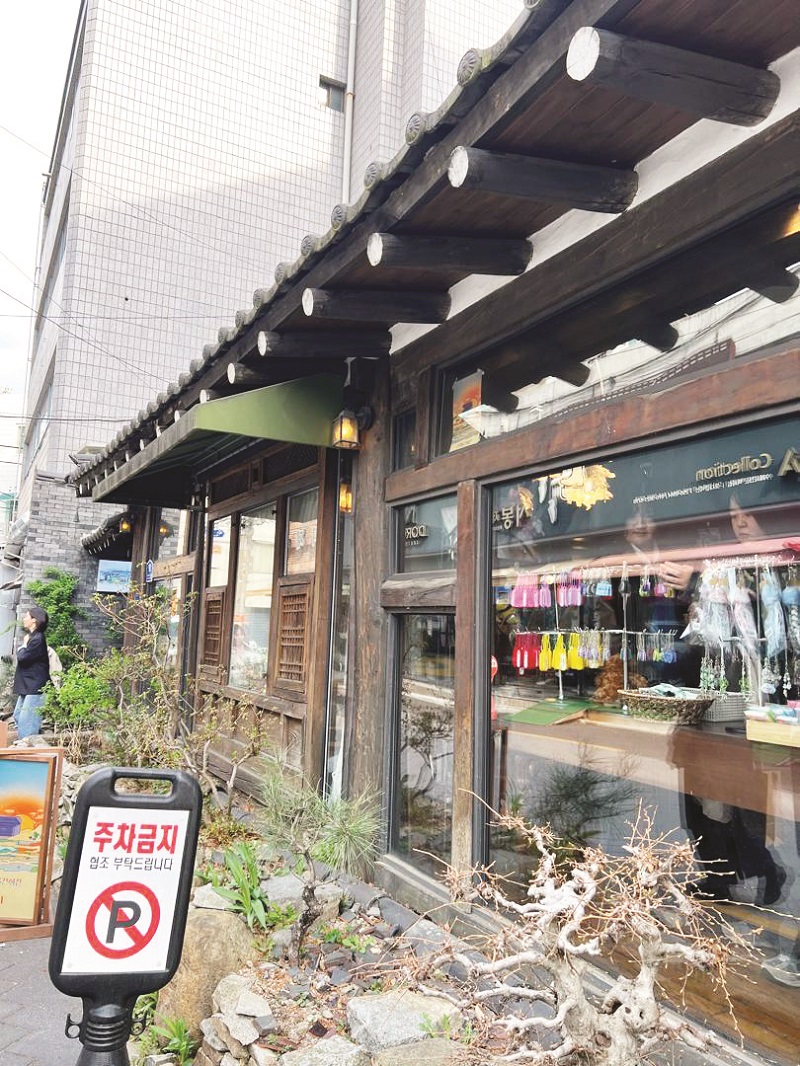
“Former factories and industrial buildings have been reimagined as flagship stores, cafes, galleries and creative spaces, creating a vibrant ecosystem that has become one of Seoul’s most sought-after destinations,” Lee adds. The district demonstrates that heritage preservation and commercial viability are not necessarily incompatible. Modern amenities and contemporary retail elements have been integrated into the area while preserving its cultural character.
Within Malaysian cities with significant historic districts, regeneration can embrace and build upon heritage assets, rather than treat them as obstacles to progressive development.
Community participation as a foundation
Another key lesson from South Korea’s experience is the role of community participation.
Chung explains that resident engagement was built into South Korea’s regeneration framework from the outset. Capacity building and governance structures are established before formal implementation begins.
Participation is therefore not an afterthought, but a prerequisite.
In Buk-seong-ro, local craftspeople and artists collaborated to create products and initiatives inspired by the district’s history.
These efforts emerged from within the community rather than being imposed externally.
According to Chung, successful regeneration requires creating structures where residents become owners and operators of projects rather than merely participants.
Lee similarly emphasises the importance of local initiatives. She identifies community members as one of the most significant drivers of placemaking and neighbourhood renewal.
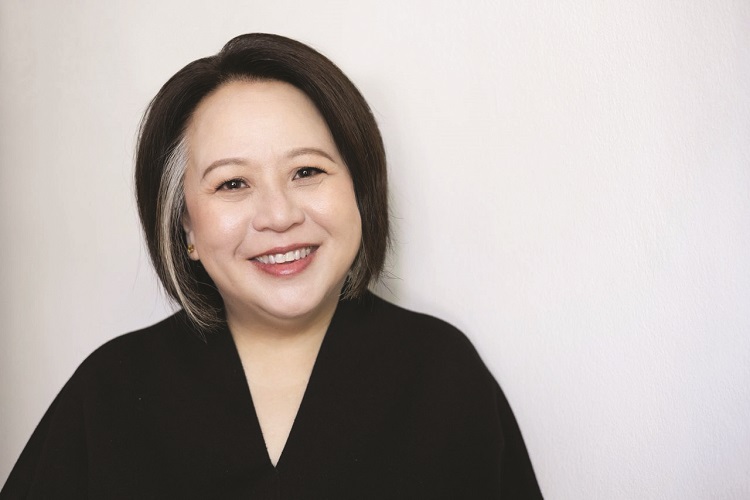
Rather than transforming entire districts, she believes smaller scale initiatives, such as shared spaces and shared utilities that respond to contemporary social needs while preserving neighbourhood character, can be equally powerful in revitalising an area.
For Malaysia, Lee says she believes this small-scale, community-focused model may offer valuable lessons. Incremental improvements can help revitalise neighbourhoods without overwhelming existing communities, or turning residential areas into tourist-oriented environments.
Governance and institutional support
Both Kim and Chung highlight the importance of governance structures in determining regeneration outcomes.
Kim points to the role played by the Seongdong-gu District Office in preserving local characteristics and mitigating gentrification.
The district government worked with build-ing owners and provided support mechanisms designed to retain local businesses while attracting new investments.
Chung identifies that one of South Korea’s most important institutional innovations is the concept of self-sustaining regeneration.
Projects are designed from the beginning to accommodate an eventual transition away from public funding.
This requires planning for how districts will operate independently once government support ends.
Equally important are intermediary organisations that connect residents, businesses and government agencies. In Seoul, Chung notes that research institutes and social-enterprise centres often serve as bridges between public authorities and communities.
He believes institutionalising such intermediary organisations could be critical to successful regeneration governance in Malaysia.
Adapting the South Korean experience to Malaysia
While many aspects of South Korea’s regeneration model are relevant and adaptable, the experts caution against direct replication.
Chung argues that the underlying mechanisms may be transferable, but governance structures must reflect Malaysian realities.
Malaysia’s multi-ethnic society requires more complex governance arrangements than those commonly found in South Korea.
Regeneration projects may involve multiple communities, religious institutions and stakeholder groups operating within the same area.
As a result, governance models should accommodate coexistence and shared decision-making rather than assuming a single, unified community structure.
Land ownership patterns and religious property arrangements also differ significantly from South Korea’s context. Regeneration tools must therefore be adapted to existing Malaysian legal and institutional frameworks.
Chung further suggests that Malaysia could benefit from a network-based approach in which cities such as George Town, Ipoh and KL develop their own regeneration strategies while sharing knowledge and experience. Such a model may prove more resilient than highly centralised approaches.
“What is transferable [is the] intermediary-organisation layer. In South Korea, bodies like research institutes and social-enterprise centres position themselves between the administration and residents, and make participation real. Malaysia’s ageing cores (George Town, Ipoh old town, parts of KL) would benefit from [establishing] the same connective cell,” Chung says.
Finding the right balance
Across the various perspectives, a common conclusion emerges: successful urban regeneration requires balance.
Economic development, heritage preservation, community participation and governance must be pursued simultaneously rather than independently.
Seongsu-dong demonstrates the potential of public-private collaboration and entrepreneurial energy. Insa-dong illustrates how cultural identity can remain central to regeneration. Buk-seong-ro highlights the importance of linking physical renewal with social and economic development. Huam-dong shows the value of small-scale, community-driven interventions.
Together, these examples suggest that urban regeneration is not simply about transforming buildings or attracting investment. It is also about preserving identity, supporting residents and creating systems capable of sustaining neighbourhoods over the long term.
For Malaysia, the most valuable lesson may not be any single project or policy. Instead, it is the recognition that regeneration succeeds when development, preservation and community interests are treated as interconnected objectives rather than competing priorities.
..........
Read about emerging trends, data-backed insights, growing subsectors, and expert commentaries in EdgeProp print. Subscribe now for your free copy!
Follow Us
Follow our channels to receive property news updates 24/7 round the clock.


Telegram


Latest publications
View AllFollow Us
Follow our channels to receive property news updates 24/7 round the clock.
Malaysia's Most
Loved Property App
The only property app you need. More than 200,000 sale/rent listings and daily property news.