From campus to career: What the workplace really demands
PETALING JAYA (Aug 21): Academic qualifications may help graduates enter the workforce, but professional life can demand skills that are harder to acquire in the classroom — from communicating across generations and working within teams to taking ownership of tasks and managing expectations.
The Rehda Institute Youth Initiative (RIYI), a year-long corporate mentorship programme for final-year university students and recent graduates, seeks to address that gap by exposing participants to industry practitioners, career guidance and workplace expectations before or as they enter employment. RIYI was launched by Transport Minister Anthony Loke Siew Fook at the Rehda Institute CEO Series 2026 on Jan 15.
For Paramount Property CEO (Northern Region) Wang Chong Hwa, the answer extends beyond technical knowledge or academic achievement to how effectively an individual functions within a wider organisation.
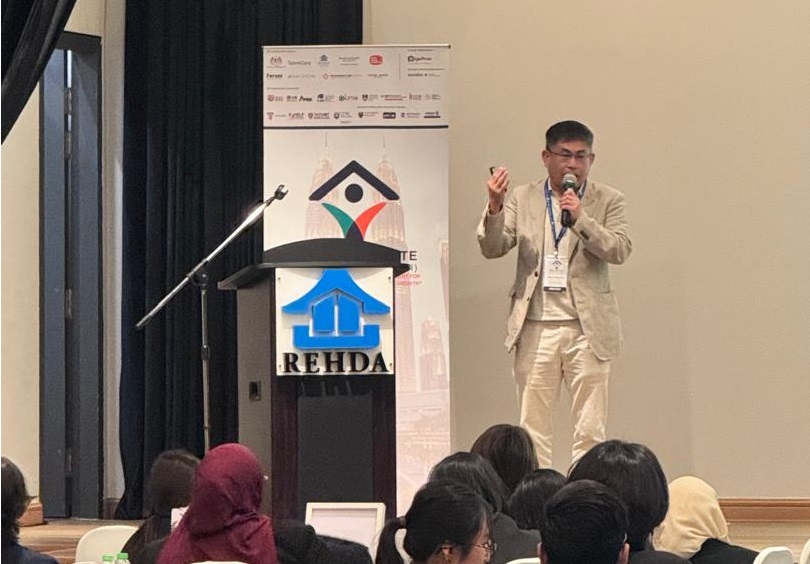
Wang said companies comprise people from different departments, disciplines and backgrounds who must combine their expertise towards common objectives. The ability to communicate and work with others is therefore a practical workplace requirement, rather than simply an attractive addition to a graduate’s qualifications.
“An organisation is one large TEAM working towards a common goal.”
Clear communication, mutual respect and constructive collaboration help employees share ideas and solve problems, while accountability, integrity, reliability and respect help establish trust between colleagues, Wang said.
While academic qualifications provide graduates with technical foundations, Wang said educational achievement alone may not be enough to sustain career development.
“Success comes from combining academic knowledge with the right mindset and attitude.”
He identified adaptability, emotional intelligence, problem-solving and a willingness to learn as qualities that can help graduates respond to workplace challenges and changing industry demands.
For students who have yet to enter full-time employment, Wang encouraged participation in co-curricular activities as a way of developing leadership, communication and interpersonal abilities beyond academic work. Graduates should also remain humble, curious and willing to keep learning as their careers develop, he said.
Learning to take ownership
FBG Holdings Bhd general manager, business development, marketing & sales cum customer relationship management Coco Ooi, similarly sees attitude and willingness to learn as important considerations when graduates enter the workplace.
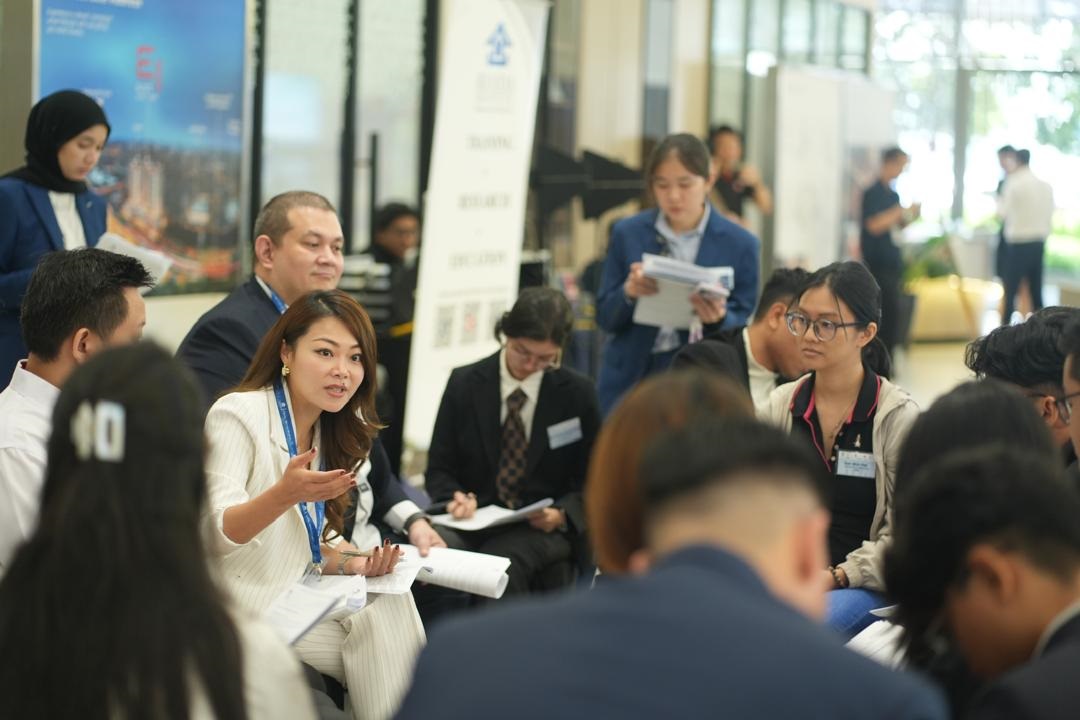
“Fresh graduates are not expected to know everything, but they should demonstrate curiosity, initiative, and a willingness to learn.”
Graduates may arrive with the technical foundation for a role, but they still have to learn how an organisation operates, understand what is expected of them and respond when they encounter unfamiliar situations, she said.
Ooi said communication and a sense of ownership can distinguish graduates as they adjust to those expectations. Asking questions when necessary, taking responsibility for assigned work and responding constructively to feedback can help a new employee adapt while demonstrating maturity and professionalism.
Some fresh graduates may enter employment with unrealistic expectations about how quickly career progression or recognition should come, without fully appreciating the importance of accumulating experience and delivering results consistently over time, she said. Difficulties with communication and prioritising tasks can also emerge as graduates move from university into a more structured professional setting.
“Success is not only about delivering results but also about communicating effectively and taking ownership of your responsibilities.”
Ooi said workplace success rarely comes through individual effort alone. Employees may have to collaborate not only with immediate colleagues but also with clients and other stakeholders, while accommodating different perspectives and balancing business priorities, available resources and organisational objectives.
When the classroom gives way
For the three younger interviewees, the gap between university and work became clearer through communicating with different people, learning independently and solving problems under time pressure.
Gan Shing Ning, who holds a Bachelor of Technology (Industrial Technology) from Universiti Sains Malaysia, said one of her early challenges was adjusting to a professional environment where interactions extend beyond familiar peer groups.
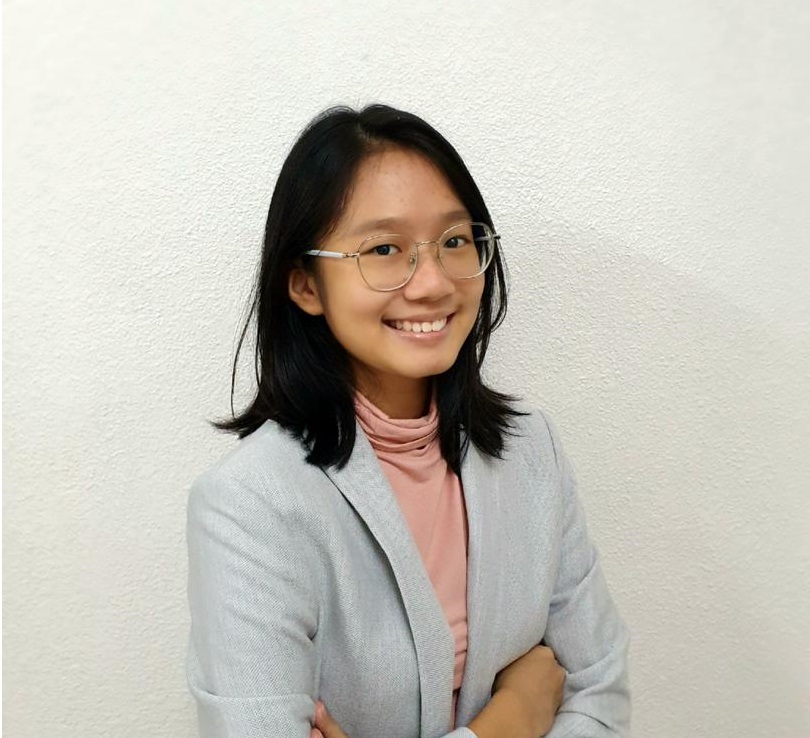
At university, students largely work and socialise with people at a similar stage of life. In the workplace, Gan found herself having to communicate with people of different ages, levels of seniority, backgrounds and working styles.
“University prepared me with the knowledge, but not necessarily with the experience of working and communicating with people from various age groups.”
For Tng Mee Chee, who holds a BA (Hons) Business Finance from HELP University, entering the workforce brought a different realisation: learning was no longer as structured as it had been at university.

She described the transition as a “reality shock”, particularly because professional development increasingly depended on her taking responsibility for what she needed to learn.
“University provides the foundation, but the workplace requires continuous self-driven learning and the ability to adapt quickly to new technologies and expectations.”
Unlike a university syllabus, work may require employees to identify gaps in their own knowledge and learn new tools or processes as their responsibilities change.
Poh Seng Yang, who holds a Diploma in Real Estate Management from Tunku Abdul Rahman University of Management and Technology, identified communication and problem-solving as particularly important once academic knowledge has to be applied to actual work.
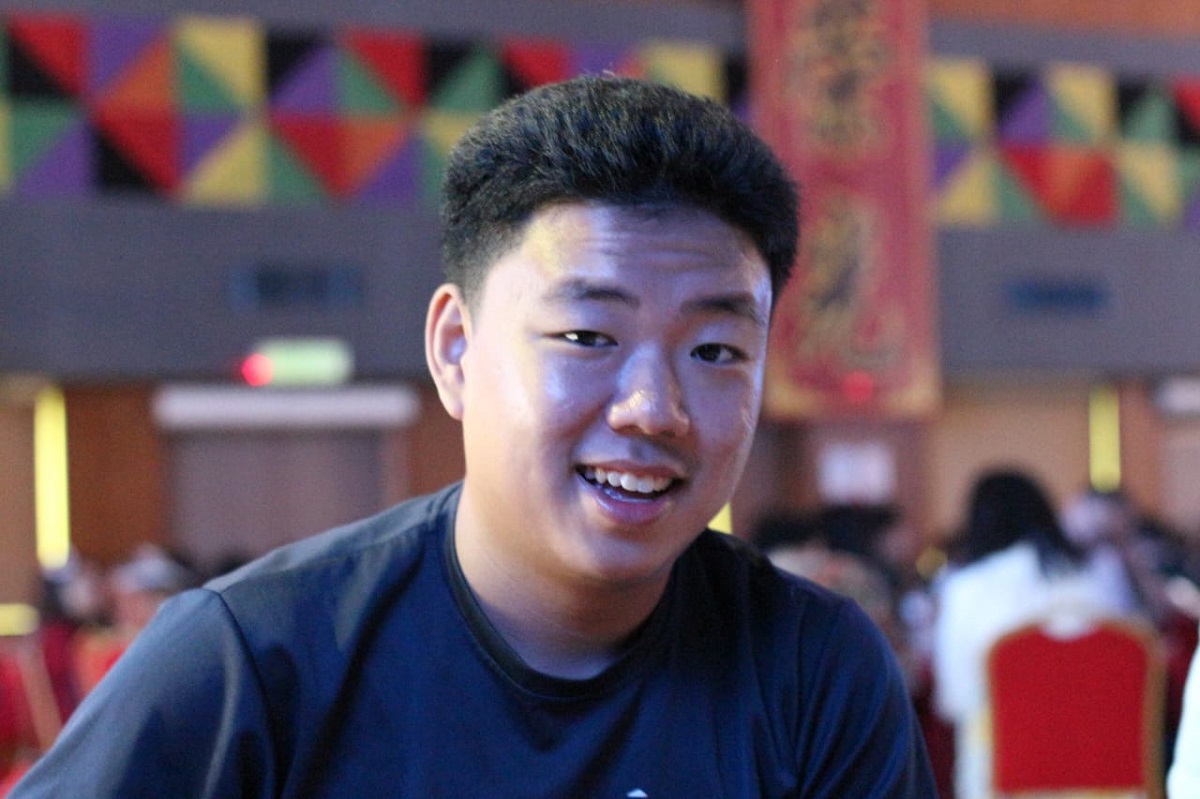
“Technical skills may get you through the door, but problem-solving and communication skills determine how effectively you perform at work.”
For Poh, that difference becomes apparent when work is time-sensitive: a misunderstanding or unresolved problem can delay a task or disrupt a wider workflow, requiring employees to communicate clearly and make decisions quickly.
Bridging the transition
It is this period between academic preparation and professional adjustment that RIYI is intended to address.
Its first 2026 corporate mentorship session brought together about 50 students from more than 15 universities. The programme has the support of Talent Corp Malaysia Bhd and the Human Resources Ministry.
The transition from campus to career therefore involves more than exchanging lectures and assignments for meetings and deadlines. Academic knowledge provides the foundation; the workplace tests how graduates communicate, adapt, take responsibility and continue learning when there is no longer a syllabus telling them what comes next.
..........
EdgeProp monthly brings you data, insights and solutions for an evolving market. Subscribe now for your free copy!
Follow Us
Follow our channels to receive property news updates 24/7 round the clock.


Telegram

Latest publications
View AllFollow Us
Follow our channels to receive property news updates 24/7 round the clock.
Malaysia's Most
Loved Property App
The only property app you need. More than 200,000 sale/rent listings and daily property news.