Can Kuala Lumpur become a climate-resilient city?
This article appeared in the Aug 13, 2026 issue of the monthly print edition. Subscribe now.
Kuala Lumpur does not need to imagine what a hotter, wetter future looks like. It has already had previews with recent flash floods, heatwaves and a monsoon season that arrives with less predictability each year. The question facing the city, as well as the wider region around it, is whether it can absorb the rebelling elements without breaking — physically, institutionally and socially.
That question sits at the centre of the International Sustainability Week (ISW) 2026, taking place on Sept 10 and 11 at Malaysia International Trade and Exhibition Centre (Mitec) Kuala Lumpur under the theme “From Certification to Transformation: Building a Net Zero Future Together”.
Ahead of the event, EdgeProp spoke to a cross-section of built-environment leaders, including United Nations Human Settlements Programme (UN-Habitat) senior policy advisor Dr Shipra Narang Suri, and Singapore Urban Redevelopment Authority former group director of architecture and urban design excellence Larry Ng, about what climate resilience actually requires, beyond the branding.
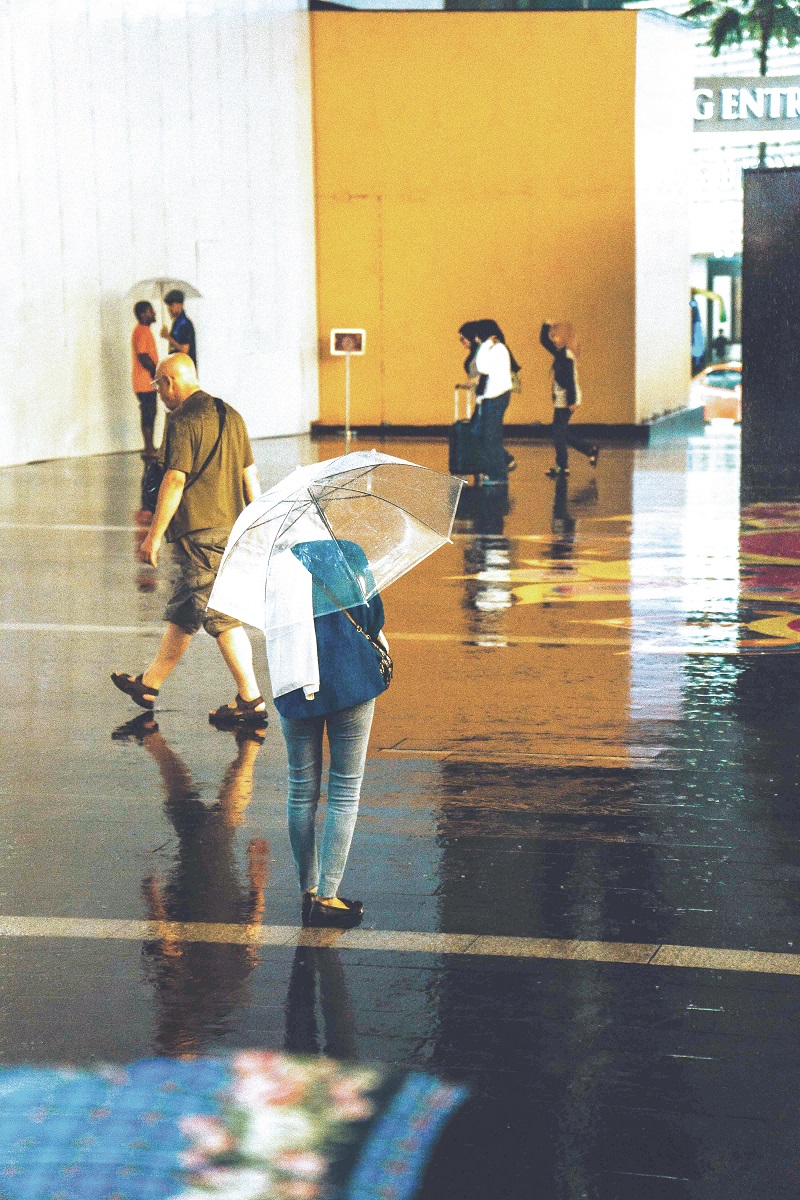
Southeast Asia’s high exposure to rising sea level
According to UN-Habitat’s World Cities Report 2024, South and Southeast Asian cities face a disproportionate share of the world’s climate risk, chiefly around rising sea levels, coastal flooding from sudden-onset disasters, riverine flooding from extreme precipitation, and extreme heat.
Suri notes that the top 10 coastal cities globally, ranked by population exposed to sea-level rise by 2050, are all located in Southern and Southeast Asia. Eastern and Southeastern Asia together account for 60% of the world’s urban population living in low-elevation coastal zones. These are areas five metres or less above sea level, spanning roughly 1,100 cities. Of the roughly 25 cities worldwide where the entire population sits below that five-metre threshold, half are in this region.
Riverine flooding follows a similar geography, concentrated in Central and Southern Asia, Eastern and Southeastern Asia, and North Africa and Western Asia, and often growing fastest in lower-income cities where dense populations, weak infrastructure and inadequate housing compound the risk.
A recent Asian Disaster Preparedness Centre report found that Southeast Asia’s fast-growing cities are increasingly caught between rising baseline temperatures and the urban heat island (UHI) effect, with 2023 and early 2024 heatwaves hitting Thailand and Vietnam with unusual severity. The urban poor, living in low-quality housing with little or no cooling, absorb the worst of it.
None of this is abstract for a city like KL that is equally dense and rapidly developing.
What resilience actually looks like on the ground
A climate-resilient city is very simply one that can withstand a broad range of climate-related shocks and stresses without collapsing, explains Suri.
In practice, that means a functioning drainage system integrated with green and blue infrastructure, parks, urban forests, rivers, streams and lakes, so that heavy rainfall is channelled away rather than left to pool into floods. It means enough well-distributed green spaces and street shade, so that extreme heat doesn’t turn public areas into hazards.
“Climate resilience is really about investing in the right infrastructure at the right time,” she adds.
The complicating factor is speed. Traditional planning systems, she notes, are “undoubtedly slow” relative to the pace of climate impacts, though new tools, better data and mapping, and more inclusive stakeholder engagement are starting to change that. The real challenge isn’t just moving faster. It is making sure speed doesn’t come at the cost of getting the priorities wrong.
Meanwhile, Ng’s perspective, drawn from decades of shaping Singapore’s built environment, is more blunt about what separates cities that manage this well from those that don’t: integration.
“Cities will have to adopt an integrated planning approach to achieve the big picture of higher density with good environments instead of going for fragmented or piece-meal planning where individual agencies are competing to outshine one another,” he points out.

Left unaddressed, fragmented decision-making doesn’t just slow things down. It produces “chaotic situations where primary and secondary benefits of urban planning and urban design are not achievable in the long term”.
Ng is equally direct about a related pitfall: mistaking proximity for integration, particularly in transit-oriented development (TOD).
“If developments are simply built near stations, and not fully integrated, then the primary benefits of TOD may not be fully realised,” he says.
These benefits include reduced congestion, environmental sustainability and genuinely walkable, people-centred neighbourhoods. Genuine transit integration, by contrast, weaves residential, commercial and recreational uses seamlessly within a transit hub’s catchment, rather than simply locating a tower beside a station entrance.
Whether that kind of coordination can be replicated is, in Ng’s view, less a technical question than a political and institutional one. Singapore’s model of “whole of government” and “whole of society” planning, where agencies collaborate rather than compete for visibility, is, he says, the hardest thing for other cities to copy, precisely because it depends on will as much as method.
“This can be challenging or achievable depending on the will of the people, politicians and agencies to make it happen,” he says.
Initiatives that create inequalities
Infrastructure alone, however, is not where the story ends. Climate resilience efforts that aren’t deliberately inclusive, Suri warns, risk becoming a privilege rather than a public good. Informal settlements and workers in the informal sector face the highest exposure to climate-induced disasters, often living in dense, poorly-serviced, precariously-located communities.
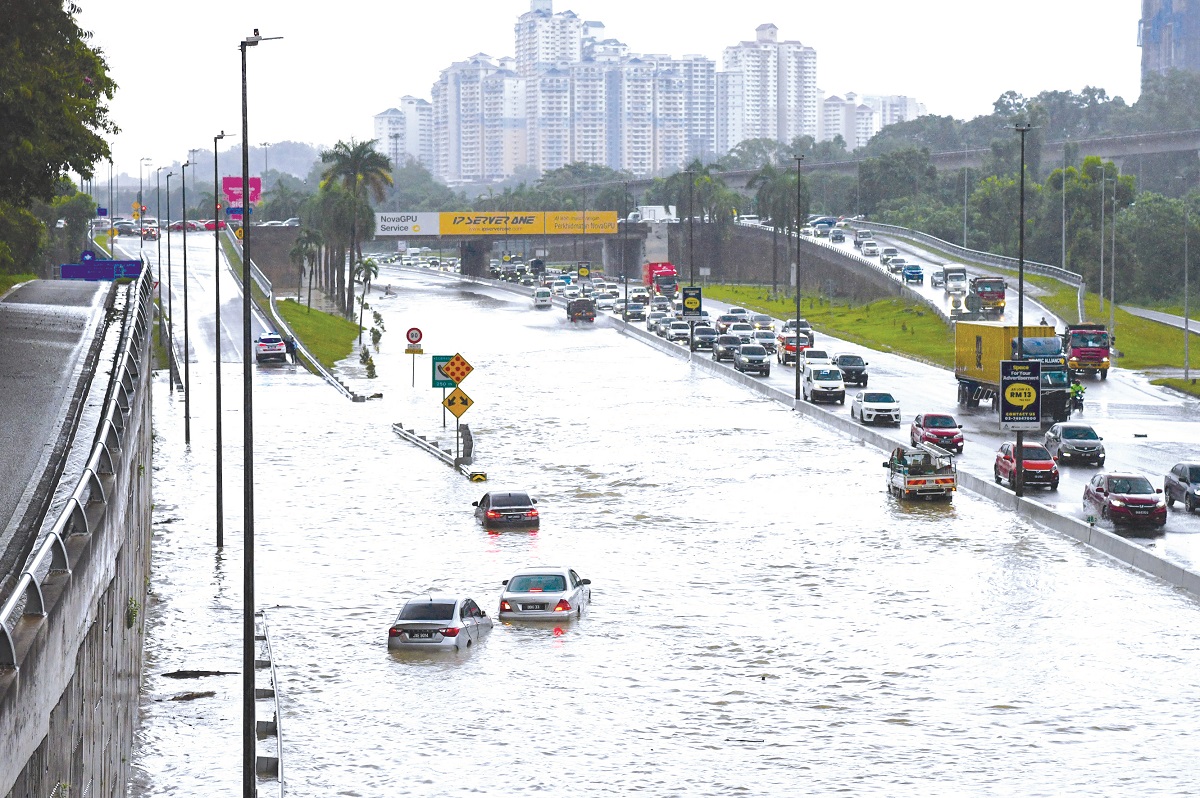
These existing inequities are only reinforced by climate impacts, unless resilience planning actively works against that pattern.
She points to a specific, counterintuitive risk: green gentrification. Improvements like new parks and green spaces can raise property values and living costs, displacing the very residents most in need of protection.
“This doesn’t solve the problem,” she says, “It shifts and entrenches it even more deeply.” Her prescription is a deliberately inclusive process: co-creating solutions with different community groups; prioritising investment in underserved neighbourhoods ahead of affluent ones; and strengthening governance so that local and regional authorities closest to residents and responsible for the transport, energy and waste systems that climate action runs through, have the mandate, data and budget to act.
It starts with better buildings
If governance and equity are the harder, slower work of resilience, Malaysia’s certification data offers evidence that, at least, the built environment side is picking up pace.
GreenRE Sdn Bhd, the country’s leading green building certification body established by the Real Estate and Housing Developers’ Association (Rehda), had certified over 1,000 projects covering more than 500 million sq ft of gross floor area as of May 31. Cumulative greenhouse gas savings tracked under the scheme rose fiftyfold between 2016 and 2026, from roughly 8,500 to close to 400,000 tCO2eq (tonnes of carbon dioxide equivalent) annually, a trajectory GreenRE executive director Ashwin Thurairajah calls evidence of “real operational impact rather than one-off design intent”.
Certification, he argues, “introduces discipline” into an otherwise subjective process, turning the question from whether a building is “green” into whether it has demonstrated measurable performance. Having helped over 20,000 acres of townships achieve their GreenRE certification, he reflects that there is a growing attention to stormwater management and walkability at the master-planning level.
Resilience also has to reach inside the building envelope, not just the streetscape. GreenRE senior assessor Colin Timothy Santhakumar frames the home as our “third skin”, the layer, after skin and clothing, that should protect and regulate rather than merely shelter.

In Malaysia’s climate, he notes, that means effective ventilation and air-quality management that also guards against transboundary haze, and thermal buffers, greenery and landscaped setbacks that help “cool local microclimates and mitigate the UHI effect”.
Healthy residential environments should also make physical activity a natural part of everyday life, citing people-centred neighbourhoods like Desa ParkCity in KL and Sunway City in Selangor provide continuous walking-cycling routes and pedestrian-friendly streets which make movements safer and more convenient.
The work ahead of ISW 2026
The blueprint for a more climate-resilient city is no longer difficult to define. The challenge is executing it before the next flood, the next heatwave or the next climate shock exposes the gaps that planners already know exist.
For KL and many other fast-growing cities across Southeast Asia, resilience will ultimately be measured not by ambition or certification alone, but by whether infrastructure, governance and urban design can keep pace with a climate that is changing faster than the cities themselves.
Against that backdrop, ISW 2026 offers an opportunity to move the conversation beyond targets and frameworks towards the practical decisions that will shape how cities adapt over the coming decades.
Exclusive ISW 2026 feature | EdgeProp is an official media partner for International Sustainability Week, happening Sept 10–11
EdgeProp monthly brings you data, insights and solutions for an evolving market. Subscribe now for your free copy!
Follow Us
Follow our channels to receive property news updates 24/7 round the clock.


Telegram


Latest publications
View AllFollow Us
Follow our channels to receive property news updates 24/7 round the clock.
Malaysia's Most
Loved Property App
The only property app you need. More than 200,000 sale/rent listings and daily property news.