Sharing is caring: How KongsiKL reshapes placemaking
This article appeared in the Aug 13, 2026 issue of the monthly print edition. Subscribe now.
An abandoned site is turned into a living hub for arts, rivers and community, and that is how KongsiKL is proving that placemaking is not just about physical spaces, but about people, shared resources and collective purpose.
For nearly a decade, KongsiKL has quietly evolved into one of Kuala Lumpur’s most distinctive community-driven placemaking initiatives. What began as an effort to activate an unused space in Old Klang Road has grown into a movement centred on a simple idea: kongsi, which means “sharing” in Bahasa Malaysia.
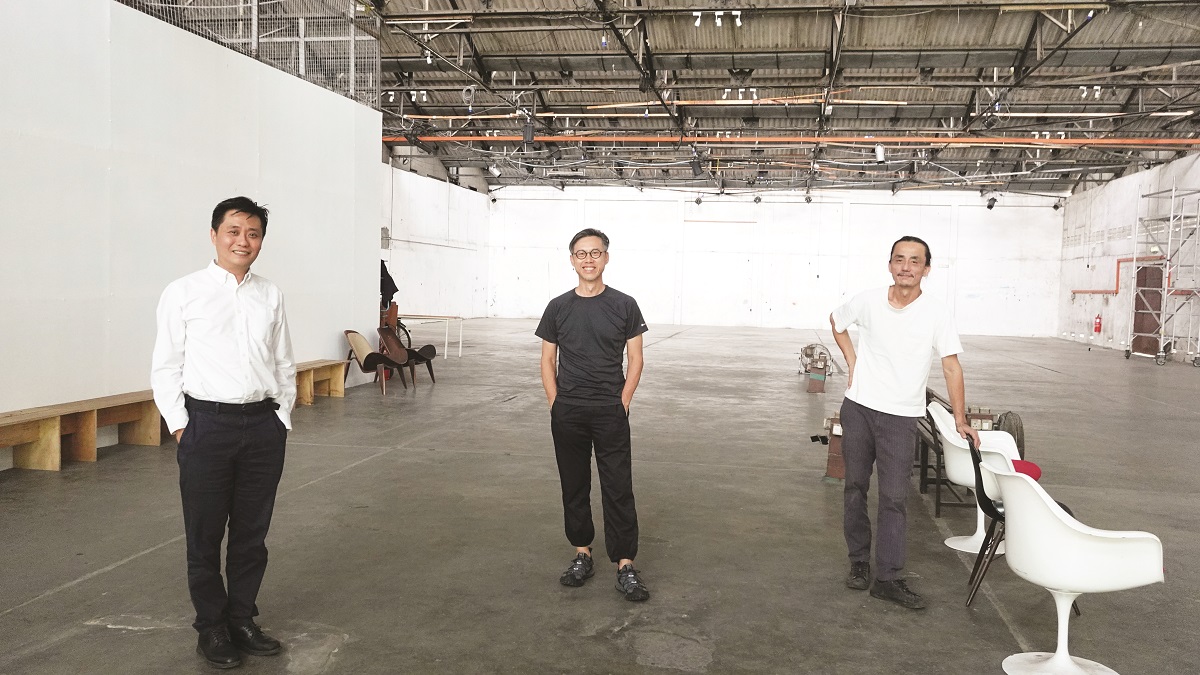
Based on a free-for-all concept, KongsiKL president and co-founder Joseph Foo tells EdgeProp that the space is open to whoever wants to contribute in whichever ways they can through whatever means they have.
The space, which belongs to EXSIM Development Sdn Bhd, has existed since 2017.
Provided rent-free by the developer, KongsiKL only has to foot out the utilities for its usage.
Third space for youths
When the team first discovered it, the area had been abandoned.
“The idea basically ... is like, hey, how can we maximise or share our resources? Hence the idea of Kongsi Kilang Lama, Kongsi Klang Lama and Kongsi Kuala Lumpur, and so that’s how we started,” he says.
The vision was straightforward: create an alternative space for young people and communities.
“One of the values we hold closely is stewardship; being good stewards of the space and resources entrusted to us. And beyond that, how can we generously share our talents, our time, and our resources with others?
That’s really the spirit of Kongsi, the idea of sharing to create value together,” Foo states.
For the first few years, the venue hosted performances, educational programmes, graduation exhibitions, markets and creative activities — attracting students, artists and local residents alike. The people involved come from diverse backgrounds such as performing arts, design, architecture, landscape architecture, business, writer/researcher, education, property, and the creative industries, alongside volunteers, students and government stakeholders.
“It remains pretty much the same [today], kongsi this space, kongsi our talent,” Foo says.
Bottom-up approach
Unlike many urban developments that begin with master plans and large-scale interventions, KongsiKL’s work has always started from the ground.
“Ground-up is always what we have been practising. Even before KongsiKL, we’ve been doing quite a number of different community initiatives. It’s always ground-up,” Foo says.
At the same time, he acknowledges that community initiatives cannot operate in isolation.
“Obviously, we can’t be completely groundup without the policymakers to be part of it.
So, our system or our pattern is always: let’s do what we think is right. Then eventually, when there is a certain obvious result, we’ll invite the government stakeholders,” he adds.
This philosophy has guided many of KongsiKL’s projects, particularly along the Klang River.
KongsiKL partnership co-lead Calvin Sia believes successful placemaking requires more than physical infrastructure.
“A place is like hardware. To make places purposeful, meaningful and interesting, we need people, elements, content and software,” he says.
He points to the concept of a “4P” model which includes private, public, people and partnerships as a framework that allows communities to thrive.
“Everyone has his or her own strength, resources, and expertise,” he says.
EXSIM, as caretaker and developer, contributes physical assets, while volunteers and community members provide ideas, skills and energy; as part of their commitment in the Sustainable Development Goals (SDG) and ESG work.
Government agencies, ministries, educational institutions and even international organisations have all engaged with the space over the years. These relationships have helped reinforce KongsiKL’s broader mission while allowing experimentation that would be difficult elsewhere.
For creativity and experimentation to run free
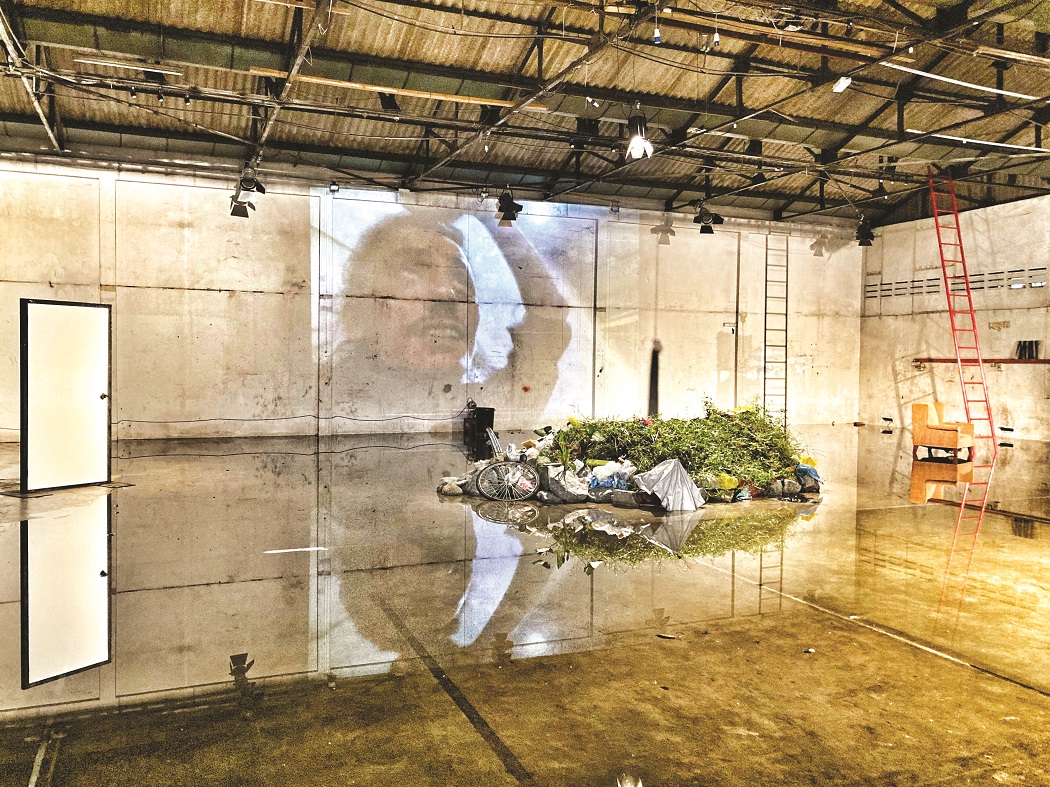
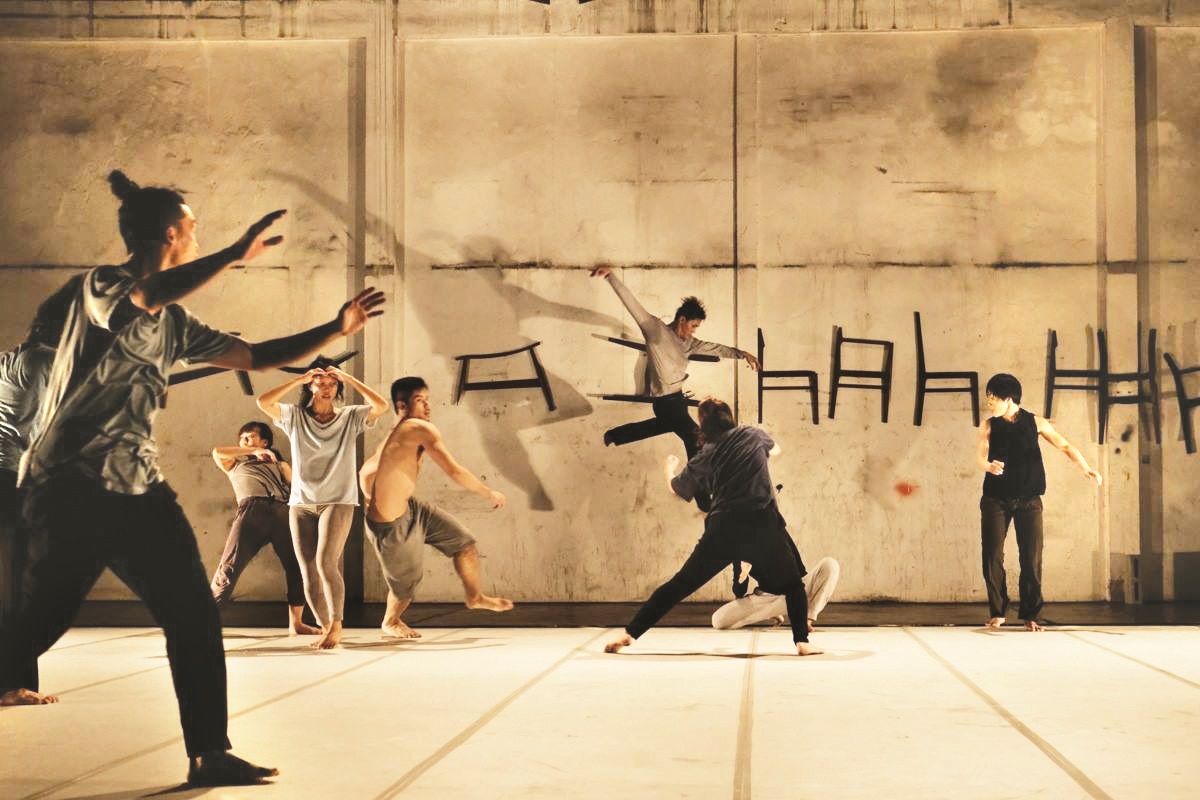
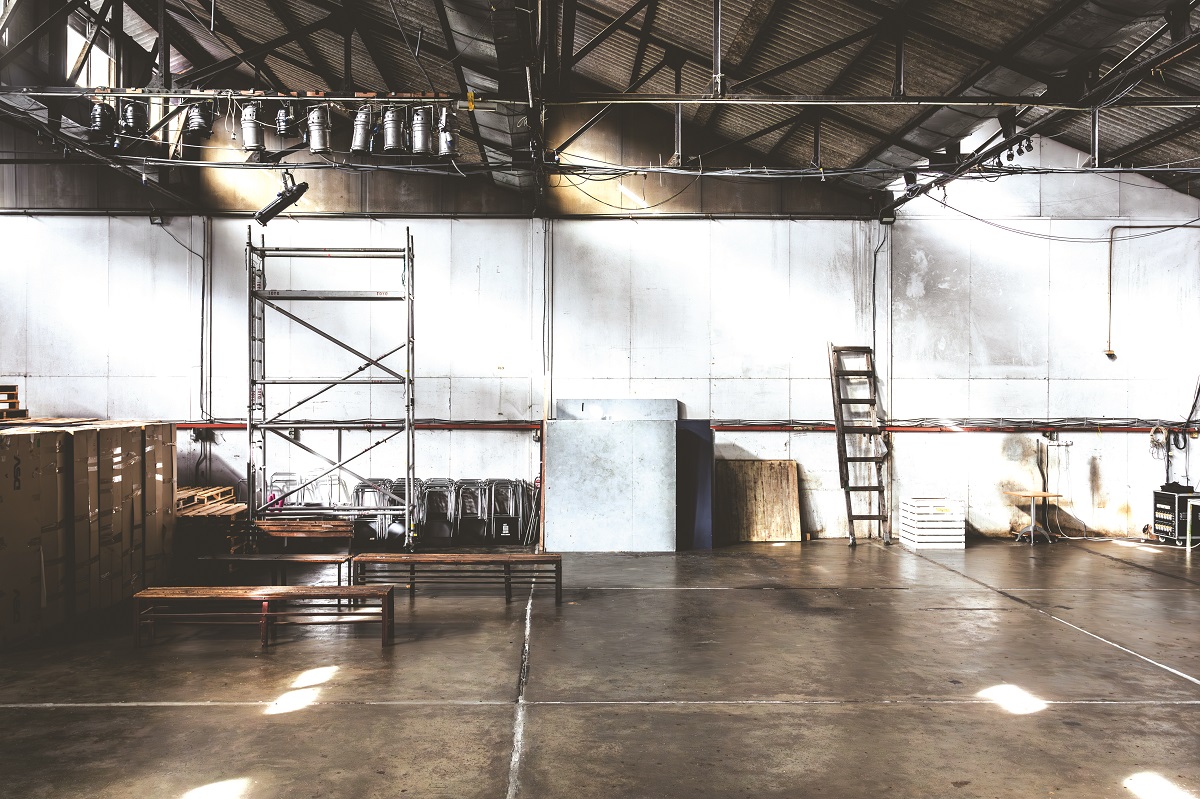
Over the years, KongsiKL has become known as an unconventional venue for arts and cultural activities. For example, the absence of a traditional stage has encouraged artists to reimagine how performances interact with architecture and audiences.
“What can I do that actually fits into the entire architecture and design of the space?
“We call it site-specific. There’s no stage.
So, basically you come in and then you sit down,” Foo says.
Performances have transformed different parts of the venue into immersive experiences, with audiences moving through the space alongside performers.
“It is something that is quite rare in Malaysia,” he says.
As long as the space remains standing and is “not too overly loud after 10pm”, Foo states the freedom for experimentation has become part of KongsiKL’s identity.
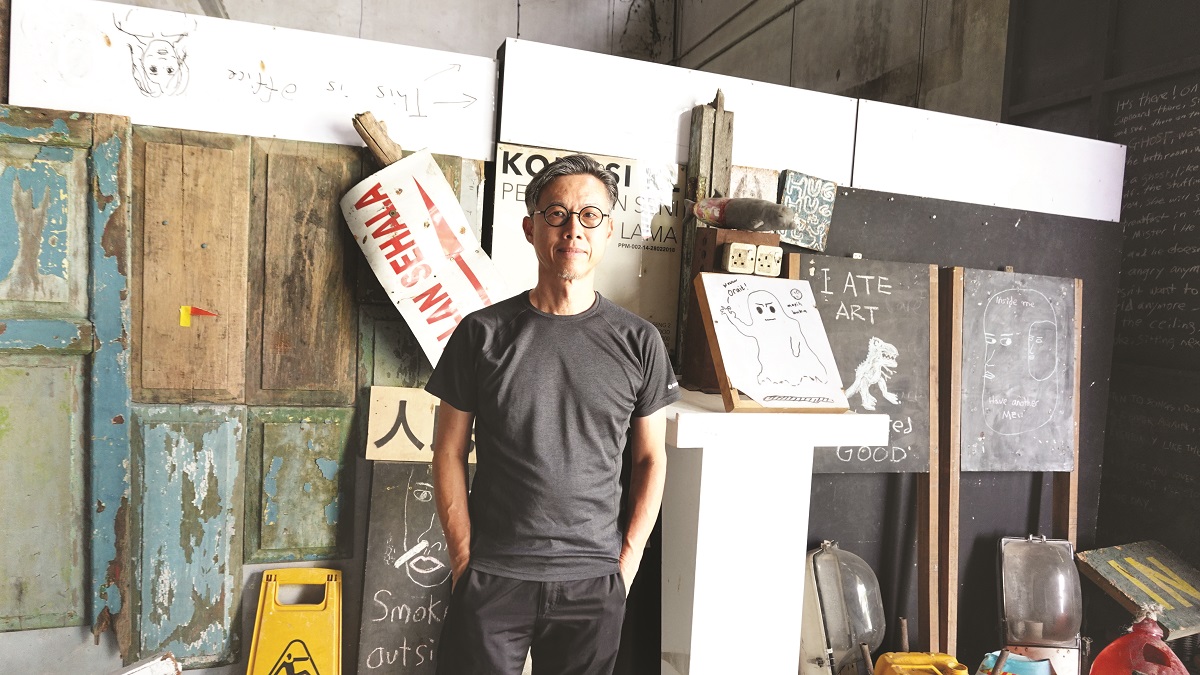
“The magic of this space is that it is very inclusive, modest, down to earth and has a very high tolerance for experimentation,” he adds.
The spirit was present from the very beginning.
After securing the space, the founders immediately organised a performance titled “Dances in Ruins”, led by Malaysian choreographer Loke Soh Kim, inspired by the site’s raw and dusty condition. The performance was later documented and screened internationally.
“And that has been one of the best shows we’ve had so far,” Foo states.
Reclaiming Klang River
Beyond the arts, one of KongsiKL’s most visible initiatives has been its work along the Klang River.
For Foo, the significance of the river cannot be overstated: “If there’s no Klang River, there’s no KL”.
The annual Klang River Festival organised by KongsiKL has become a central platform for activating public awareness around rivers, communities and culture. The festival revolves around three pillars: habitat, people and culture, while emphasising partnerships between communities, businesses and government institutions. The long-term ambition is to improve safety, connectivity and public life along the river.
“What we want to see is lighting up the space, improving safety, building connectivity, even potentially a bridge to connect to Mid Valley. Then more people-walking, more commerce, cafes, and pop-ups,” he adds.
The organisation sees examples in cities such as Singapore, Seoul and Bangkok, where rivers have become integral public assets rather than an unsightly neglect.
“Klang River is 120km, and we are only activating a small portion. The goal is to expand this over the next 10 to 20 years,” Foo states.
At a time when cities are grappling with ageing populations, increasing density and growing mental health pressures, Sia believes nature and public spaces offer countermeasures.
“The solution is balance. More nature, [and] more public space [equal] better wellness,” he says.
He points out that many developments create exclusive eco-spaces, even though natural assets already exist.
“Right now, many developers create gated green spaces, but we already have nature, the river. So, why not use it better?” “The impact is already visible,” Foo says, highlighting that people use the riverside for jogging, farming, relaxation and community activities, while biodiversity has gradually returned.
“It shows that small interventions can create big impact. Even one hour a week can matter,” Foo stresses.
Redefining ROI
The organisation also hopes to shift how people think about development and value creation.
“We are trying to shift thinking from return on investment (ROI) to return of purpose, return of happiness, and return of value. Because if people are happy, property value will be upheld,” Sia says.
More importantly, the river should be seen as a shared asset.
“Instead of seeing the river as a back alley or dumping space, we should see it as an asset,” he states.
Foo says the ultimate goal is simple: “We are hoping that this riverside effort can be multiplied. Whether it benefits the developers or not, we actually don’t care; as long as it benefits the people who live around the river, teaches them about stewardship, encourages them to share their resources, do their part, and make the riverside a better place”.
Reconnecting people with nature and urban farming
One of the most visible outcomes of the Klang River Festival has been the development of Community Kebun (farming) initiatives along the river, a collaboration between KongsiKL and Kebun-Kebun Bangsar.
The festival itself has evolved through several themes over the years, beginning with education and communications.
“People who live around here were not even aware of the river, so there was a lot of education involved,” Foo says.
The team visited schools, organised dialogues with government agencies and invited experts to discuss river conservation and public space improvements. Eventually, the Kebun-Kebun Sungai Klang movement emerged only after years of awareness-building.
“It was during the fourth year that we started the Kebun. Aligning with our ‘Activating’ theme, we felt it was the right time because people had become more aware,” he recounts.
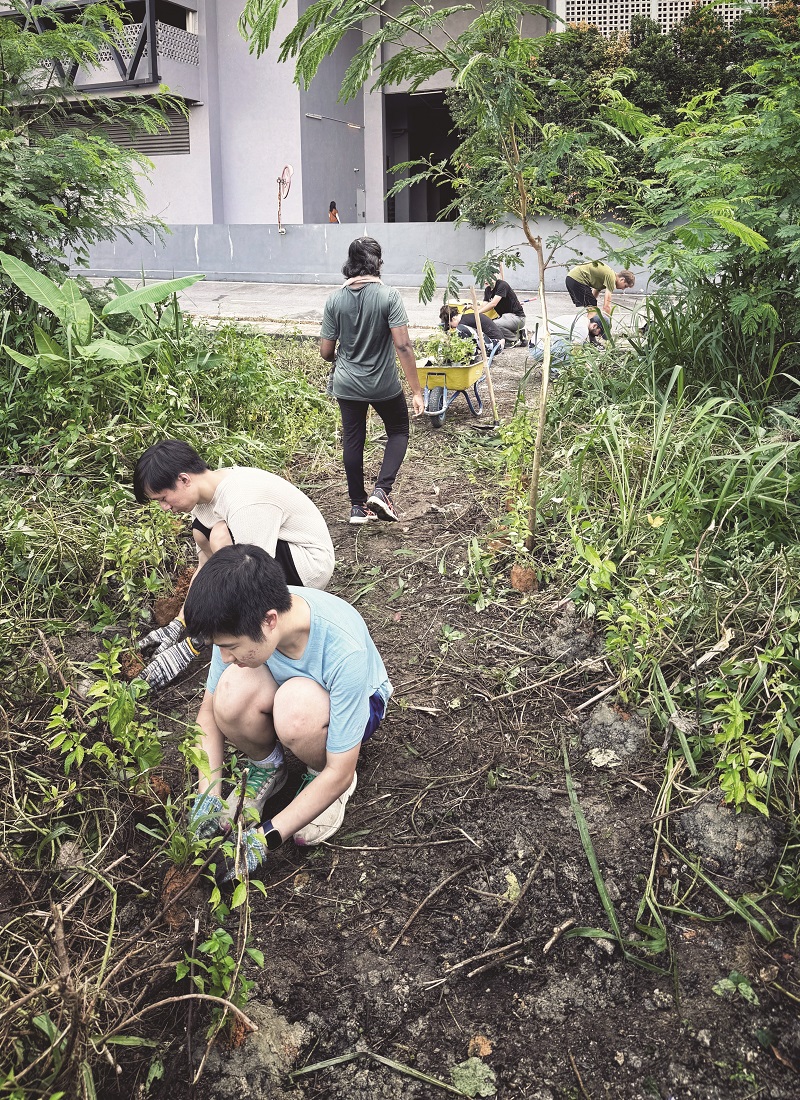
Today, smaller programmes continue to grow around the initiative. Students regularly participate in tree-planting activities, while young volunteers spend their weekends working by the riverside.
“And we’re not the ones doing everything.
We actually have a group of young people to lead, which is quite rare, who willingly spend their weekend mornings by the riverside.
These are the people who can spearhead not just the festival, but also KongsiKL in the future,” Foo states.
The core of regeneration is people
As Malaysian cities face rising land values, redevelopment pressures and changing lifestyles, KongsiKL argues that urban regeneration must remain people-centric. Ultimately, the goal extends beyond economics.
“It’s not just about chasing the number of units. It’s about much more than gross domestic product (GDP), gross development value (GDV) or ROI. Happy, healthy people create possibilities and productivity,” Sia says.
“Maybe we should focus on residents’ happiness and satisfaction. When people are happy, they become more productive,” Foo adds.
He believes many solutions already exist within existing communities and spaces. Examples range from senior-friendly riverside activities to shared amenities, urban farms and community facilities. During the pandemic, KongsiKL even introduced a tools library.
“Why does every house need its own ladder or drill when space is getting smaller? People don’t use these tools regularly. Why not share them through a library?” he says.
The principle reflects the broader meaning of kongsi itself.
“We need to be people-centric and people-driven. When we focus on human wellbeing, health, and productivity, many things can be realigned,” he reiterates.
For Foo, this differs fundamentally from traditional customer-driven thinking.
“Customer-centric means selling people what they want. People-centric means prioritising community welfare,” he adds.
Developers, he says, have an important role to play.
“Developers have the resources, money, land and space. Sharing some of those resources is not difficult,” he opines.
A simple idea with a bigger future
Looking ahead, Foo hopes the spirit of kongsi spreads beyond KL. The concept does not require large investments or complicated systems.
“You don’t need a lot of money. The living by-the-river concept can be replicated across the Klang River and throughout Malaysia,” he says.
He believes communities across the country are already doing similar work, whether in George Town, Bukit Mertajam, Kuantan, Ipoh, Melaka, Muar, Kluang or Batu Pahat.
“One day, all these dots will connect,” he adds.
The fact that KongsiKL has remained active for almost nine years, he adds, “sort of affirmed that it’s not really about money”.
At its core, the message remains remarkably simple.
“Young people are the answer for tomorrow.
Older generations contribute experience and networks, while the young bring energy,” Foo states.
And everyone has something to offer.
“If you know how to talk, then talk. If you know how to do it, then do it. If you have resources, share them. It’s a very simple concept that our ancestors have practised for centuries,” he says.
..........
EdgeProp monthly brings you data, insights and solutions for an evolving market. Subscribe now for your free copy!
Follow Us
Follow our channels to receive property news updates 24/7 round the clock.


Telegram

Latest publications
View AllFollow Us
Follow our channels to receive property news updates 24/7 round the clock.
Malaysia's Most
Loved Property App
The only property app you need. More than 200,000 sale/rent listings and daily property news.