Commercial, industrial properties find new players in padel, pickleball sport
This article appeared in the Sept 10, 2026 issue of the monthly print edition. Subscribe now.
Padel and pickleball courts are increasingly becoming more than places to play sport. From shopping malls to converted warehouses and open land, operators are adapting a variety of spaces to accommodate courts for this burgeoning new sport, while incorporating amenities such as cafes, restaurants and other facilities to create conducive environments.
Both games are among the fastest-growing racket sports worldwide, which account for their rapid growth in popularity in Malaysia. Beyond this, both disciplines have also evolved into lifestyle statements in urban concentrations, representing fashion, wellness, community and even a platform for social networking. As such, the places that host them are becoming more lifestyle- and urban culture-oriented.
For sport operators, however, finding a suitable location is not simply a matter of identifying an empty building and installing courts.
Location, accessibility, space, ceiling height, cost and supporting facilities are all important determiners on whether a site is viable.
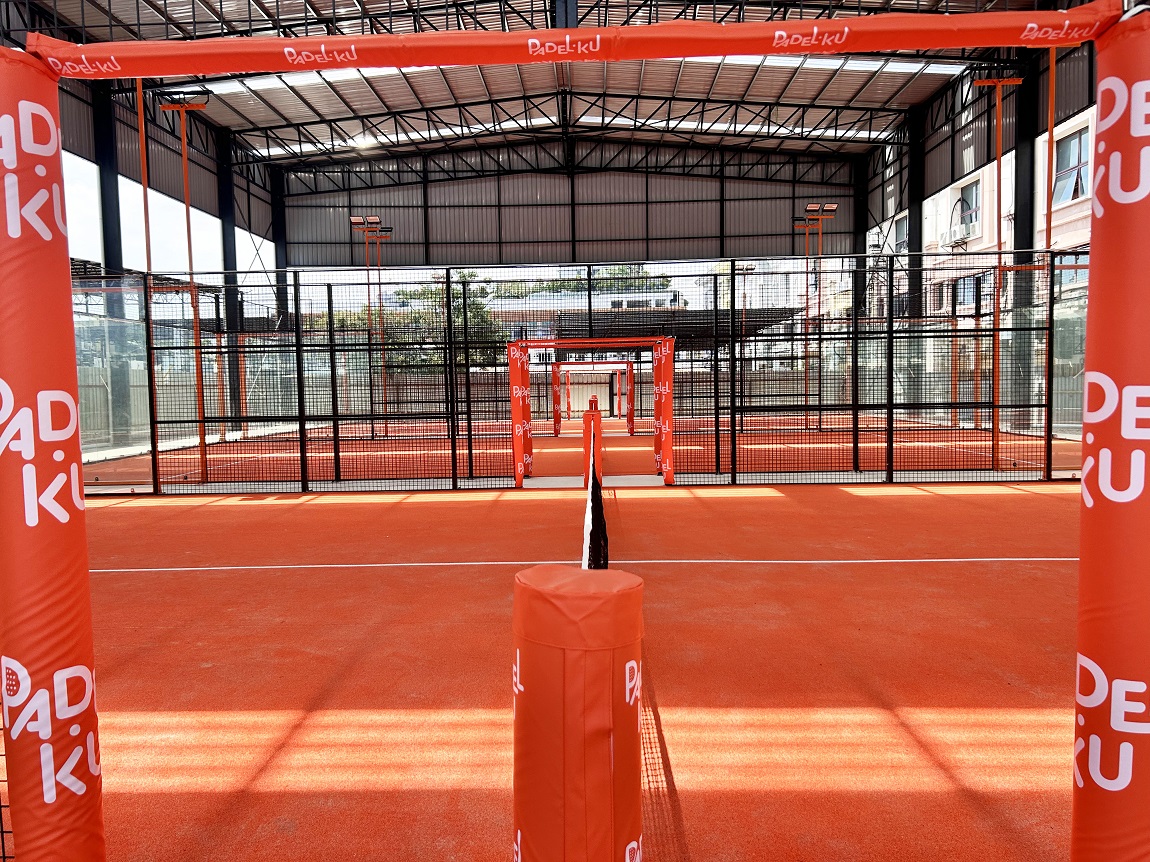
PadelKu, which manages several locations, illustrates how varied these spaces can be. Its outlet at Berjaya Times Square in Kuala Lumpur occupies more than 10,000 sq ft and includes a simple cafe. Its Megah location in Petaling Jaya (PJ), Selangor spans more than 26,000 sq ft and has a small cafe, while its Heritage Courts in Penang covers more than 40,000 sq ft. The Penang outlet shares its space with pickleball courts operated by Dinkyard, alongside a separate restaurant run by another partner.
The evolution of these venues reflects how sports facilities are being incorporated into spaces that can also serve broader lifestyle purposes. However, behind the increasingly familiar combination of courts, cafes and other amenities lies a practical question: what makes a particular property suitable for conversion into a sport venue?
What makes the right space for a court
PadelKu founder and head of marketing Michelle Beh says that when PadelKu first entered the market, identifying a suitable location was considerably more difficult.
The operator was only the second padel club formed in Malaysia, at a time when padel was still in its infancy as a sport, and awareness of both padel and pickleball was relatively limited. Its first location was at Berjaya Times Square, an approach that was unusual, given the space requirements associated with padel.
A padel facility typically requires a minimum ceiling height of about nine metres, in addition to a sizeable floor area to house multiple courts (each with 20m by 10m dimensions). This means conventional retail spaces are not necessarily straightforward options, while warehouses fit the bill better because of their size.
However, PadelKu wanted an initial location that was easy to reach and close to its anticipated customer base, which it identified as the mid- to high-income segment. This made the search more challenging because warehouses tended to be further away from populated districts and could be less convenient to access.
Additionally, in 2023, when the operator was searching for its first spaces, property owners and agents were also less familiar with what the business required.
“At the beginning, it was difficult to find the right spot because people were not familiar with what padel or pickleball facilities were trying to achieve,” Beh tells EdgeProp.
That situation has since changed. The operator is now approached by property owners and agents offering spaces, including shopping malls, warehouses and other commercial properties.
The shift demonstrates how the growing presence of this sport has also changed the way suitable property is viewed. For example, vacant spaces that may have previously been deemed unsuitable for conventional retail or other uses, can now potentially find new life as venues for sport-related activities, provided they meet the necessary requirements.
New role for warehouse
For its second location, PadelKu looked for a larger space in PJ and considered a number of warehouses.
The appeal was clear. Warehouses can provide the scale needed for a higher number of courts, while potentially offering a more practical property format for a sport operator. Yet, it wasn’t straightforward.
Some warehouses met the budget requirement but were either in poor condition or did not offer enough space. In such cases, the cost of renovating the property could compromise costing.
PadelKu ultimately settled on an open piece of land in C Park, Taman SEA, in the middle of PJ, where it opted to build its own roof and concrete floor. That significant upfront investment was compensated by a lower rental rate compared with a ready building.

“The decision essentially involved choosing between higher or lower rent, or more capital expenditure upfront,” Beh says.
Warehouses may ask for around RM2 psf or more, while an empty plot could cost about half that amount, she reveals. The figures, however, can differ substantially across locations, so each property has to be assessed individually.
While local operators shy away from revealing investment costs, padel club start-up site PadelBlueprint.com reveals that it is no cheap endeavour. Constructing a single basic court could range anywhere between RM56,000 and RM70,000. Indoor courts, which are preferable in Malaysia’s tropical climate, add 20%– 40% to the overall cost.
However, venues with existing slabs (such as warehouses) can cut down the cost by a considerable RM12,000–RM20,000 (depending on the state and quality of existing flooring). This accounts for the preference of warehouses as padel venues.
Pickleball courts are generally more expensive to build than padel courts, estimated from RM130,000 and above per court. This is because it requires a cushioned acrylic or post‐tensioned concrete surface for tournament standards, which is pricier than padel’s artificial turf. However, similar cost-saving factors apply.
Malls join the game
While warehouses have become more closely associated with the growth of padel and pickleball facilities, shopping malls are also increasingly becoming part of the landscape.
PadelKu says that when it first approached malls, many were uncertain about how to incorporate a padel business into their existing spaces. Height requirements were a specific hurdle, but Berjaya Times Square proved to be an exception.
Beh points out that the economics of a mall location can be different from those of a warehouse or open site. Rental rates may be higher, but a mall can also provide facilities that an operator would otherwise have to construct or invest in themselves.
“At Berjaya Times Square, for example, the PadelKu location is fully air-conditioned. The mall also already has toilets and cafes, so these facilities do not need to be installed separately,” she says.
Beh describes the choice as a matter of balancing all these different factors rather than relying on a single property model.
From sport venue to lifestyle hub
The mix of locations lies alongside a broader evolution in how these facilities are being used.
Some venues are no longer simply courts enclosed within a large space. They can incorporate cafes, restaurants and other amenities, creating environments for extended dwell time.
For PadelKu, however, F&B is positioned as an additional amenity, while the operator concentrates on the sport itself through in-house coaching and organising of social games.
The additional facilities are designed to complement the sporting activity and create an appealing environment, without replacing the primary purpose of the space. It reflects how sport venues can be configured around the needs and activities of their users, with different operators adopting different combinations of facilities.
Destination business more than walk-in
The location factor also differs from a conventional commercial or retail perspective.
According to JPC Padel general manager Eisha Izaddeen, sport facilities operate as destination businesses. Users typically book a court in advance rather than arrive as walk-in customers.
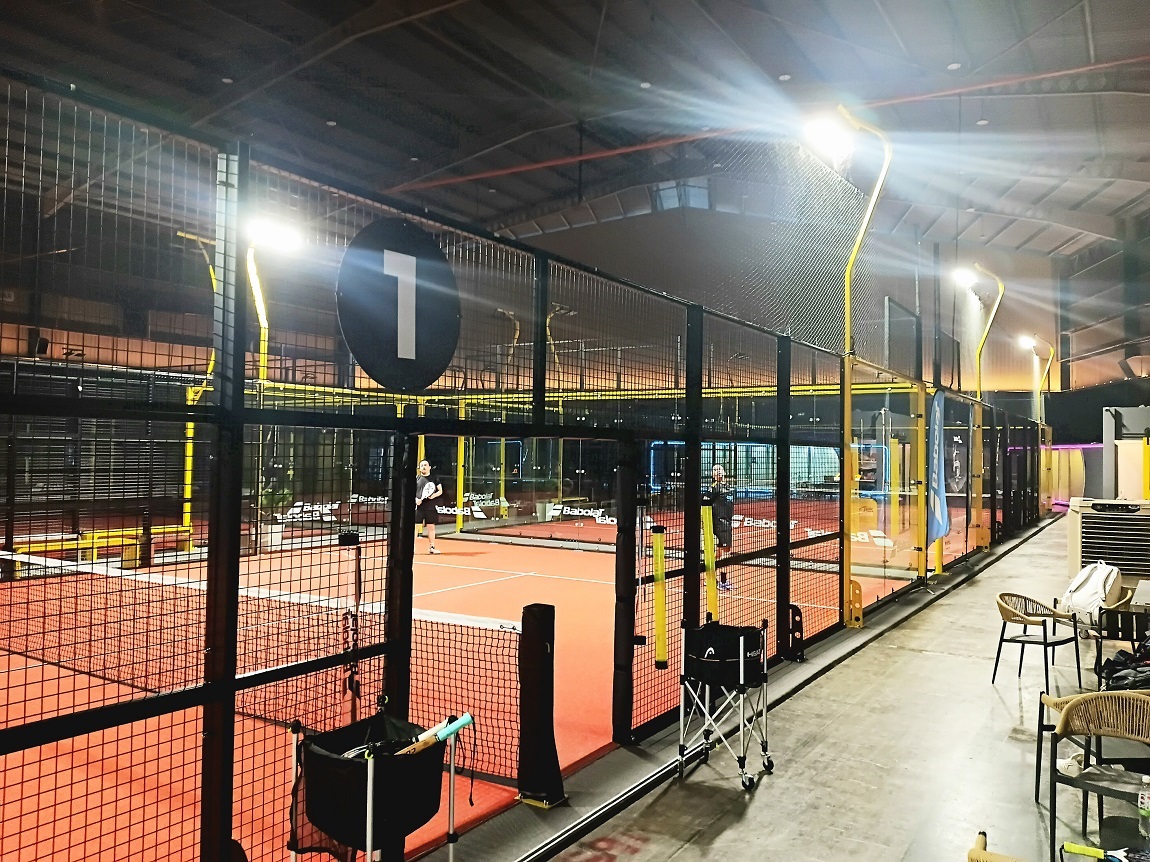
Hence, visibility or passing pedestrian traffic is not necessarily a crucial consideration.
Instead, accessibility and parking weigh more, as regular patronage can come via the existing community, leagues and booking platforms.
This changes the way operators assess potential properties, be they malls or warehouses. Accessibility remains important though, because users still need to be able to reach the venue conveniently.
JPC Padel tells EdgeProp the increase in sport centres across the Klang Valley is generally positive because it can activate industrial and commercial stock that have been sitting idle, while concurrently encouraging more people to be active.
Still, that does not necessarily mean every available commercial or industrial property can be successfully converted into a thriving sport venue. The company cautions against viewing the trend as a straightforward property opportunity.
Some sport centres are already underutilised, either because interest in a particular sport has declined or because a particular catchment has become oversupplied.
“An available warehouse, rooftop or another space does not automatically create demand. There is also no single cost structure or operating model that applies across all projects. Each location comes with its own requirements and considerations,” Eisha says.
Eisha highlights several boxes to tick before committing to a property.
“Change-of-use approvals should be confirmed before signing a lease. The lease itself needs to be sufficiently long to allow the operator to amortise the cost of fitting out the facility,” she points out.
Eisha notes that physical infrastructure also needs to be examined at an early stage, including clear height, floor loading and power capacity. These are factors that can be expensive to retrofit if the property does not already meet the requirements.
Revival opportunity for underutilised sites?
The emergence of padel and pickleball venues points to a broader flexibility in how real estate can be utilised.
For operators, the challenge is to match the requirements of the sport with the characteristics of the property. For landlords and mall managers, the growing interest in these types of facilities presents a new potential way to incorporate lifestyle elements into their spaces.
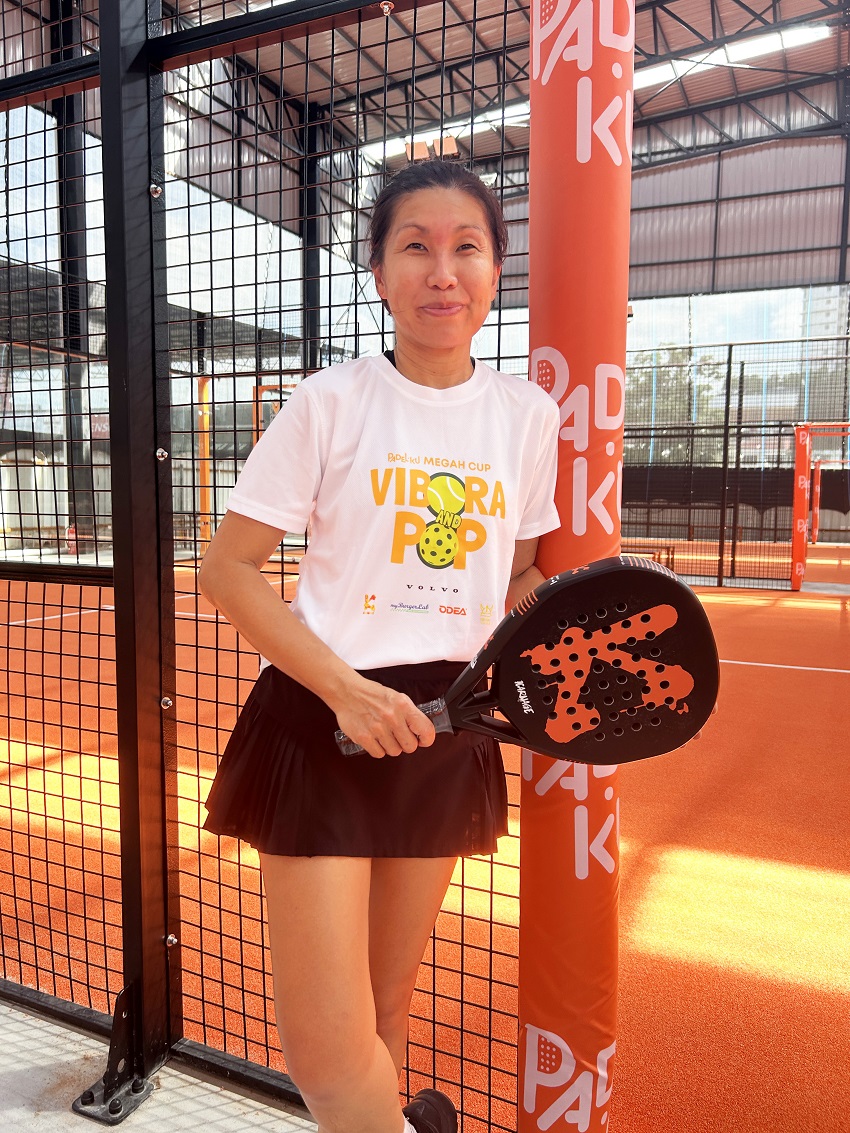
As PadelKu demonstrates, there isn’t a single formula. Its locations range from a centralised KL address and a large PJ open land site to a massive shared sport hub in Penang. Each venue applies a different configuration to meet the demand of the surrounding community.
What ties them together is the central appeal of the sporting activity itself, with complementary amenities providing a sense of place for a community brought together by a shared pastime.
There is growing appeal for environments that allow sports, social activity and lifestyle amenities to co-exist within an urban setting, becoming a nucleus of a wider recreational destination. Yet the fundamental rules of the real estate game remain unchanged.
For operators, the right combination of accessibility, size, physical specifications and economics call the shots. For owners of underused commercial and industrial spaces, opportunities are peeking through the door, but demand remains the deciding factor in their successful repurposing.
..........
EdgeProp monthly brings you data, insights and solutions for an evolving market. Subscribe now for your free copy!
Follow Us
Follow our channels to receive property news updates 24/7 round the clock.


Telegram


Latest publications
View AllFollow Us
Follow our channels to receive property news updates 24/7 round the clock.
Malaysia's Most
Loved Property App
The only property app you need. More than 200,000 sale/rent listings and daily property news.