Should You Rent Near CIQ

Renting near CIQ can make trips across the border easier. It can also bring higher cost, more noise, and more traffic. If you are asking whether you should rent near CIQ, the answer depends on your routine. If you commute often, work odd hours, or need fast access to the checkpoint, the trade-off may be worth it. If you want quiet streets, more space, or a lower monthly bill, a home a little farther away may fit you better.
Is renting near CIQ a good idea?
Renting near CIQ is a good idea when the location solves a real daily problem. It helps most with frequent commutes, early trips, and easy transport access. The main gain is time. You spend less effort getting to buses, rides, and the checkpoint.
The trade-off is that busy areas can cost more and feel less calm. A place that looks close on a map may still feel awkward if the walk is poor, traffic backs up, or daily shops are far away. Think about how often you cross, what time you travel, and how much rest you need at home.
What near CIQ really means for renters
Near CIQ can mean many things. One unit may be an easy walk away. Another may still need a bus, shuttle, ride, or short drive. For renters, the real test is the full trip from your door to the checkpoint entrance.
A good rental near CIQ should make life simpler. Look for safe paths, good lighting, steady transport, and enough nearby shops for daily needs. A building can be close on paper and still be hard to use in real life.
When you compare CIQ rental options, ask for the full route, not just the address. If you can, test the trip at the time you usually travel. A weekday morning view can feel very different from a quiet weekend visit.
The biggest benefits of living near CIQ
The main benefit is less wasted time. For people who cross the border often, students, business owners, and frequent travellers, even a small time cut can make the week easier. Being nearby also gives you more room to handle changes in travel plans.
Key gains include:
- Faster access to the checkpoint: Reach buses, taxis, ride-hailing spots, and travel hubs with less planning.
- More flexibility for early or late travel: A short trip can lower stress when your hours are not standard.
- Easier hybrid routines: If you cross only a few days a week, a nearby home can still be handy.
- Better short stays: Temporary work, study, or family stays are easier with a central base.
- Close city services: Many CIQ areas have malls, food, banks, clinics, and stores nearby.
These gains matter most when your time is tight. A cheaper home farther away may not stay cheap once you add travel costs and waiting time.
The trade-offs you should expect
Convenience often brings a few trade-offs. Homes near CIQ may be in high-demand areas with smaller layouts, more traffic, or a busier street feel. Some people like that energy. Others find it tiring.
Common issues include noise, crowding, limited parking, higher rent for the same space, and less of a local feel. Delivery vans, buses, and ride-hailing cars can keep the area active much of the day.
Rest matters too. If you work long hours or cross the border often, your home should help you recover. A unit with weak soundproofing, slow lift access, or crowded common areas may not be a good fit for that kind of life.
Who gets the most value from CIQ rental options?
CIQ rental options suit people whose daily life depends on checkpoint access. If you cross often, work across the border, visit family often, or need quick access to transport, the location can matter more than extra space.
It tends to suit:
-
Daily cross-border commuters who want a short, steady start and end to the day.
-
Shift workers who travel outside normal office hours.
-
Business travellers who move between meetings and transport links.
-
Students or trainees who need a simple base.
-
Couples or families with split routines where one person crosses often.
-
Short-term renters who value convenience over long-term roots.
But families with young kids, remote workers, light sleepers, and people who want more room may prefer a calmer area nearby. The best choice is not always the closest unit. It is the closest comfortable one.
How to compare rentals near CIQ without getting distracted
It is easy to focus on rent and distance. Those two numbers do not tell the full story. A good choice should also cover commute quality, unit comfort, building condition, security, and daily basics.
Use this checklist when you view a unit:
-
Actual commute: How long is the trip from the door to the checkpoint during your usual travel time?
-
Walking route: Is it safe, bright, sheltered, and easy with bags or rain?
-
Transport access: Are buses, taxis, ride-hailing spots, or parking easy to reach?
-
Noise level: Can you hear traffic, crowds, buses, or late-night activity?
-
Lift and lobby flow: Are common areas crowded at peak times?
-
Security: Are access cards, guards, and parcel handling managed well?
-
Unit condition: Check air-conditioning, water pressure, power points, appliances, windows, and leaks.
-
Daily amenities: Are food, groceries, laundry, clinics, ATMs, and stores nearby?
-
Lease terms: Are deposit rules, tenancy length, repairs, and early exit terms clear?
-
Total cost: Add rent, utilities, parking, internet, transport, and building fees.
A unit that scores well across this list is often better than the closest one. Convenience should not cost you sleep, safety, or money stress.

Location is only one part of rental value
Rental value is more than location. It also depends on comfort, upkeep, reliability, and cost. A higher rent near CIQ can make sense if it saves real time and cuts daily stress. But if the building is poorly run or the unit does not meet your needs, the location alone is not enough.
Think about your week. Will you save time five days a week, or only now and then? Will you walk, or still book rides because of weather, safety, or distance? Will the area make life easier, or just feel crowded?
Many renters make a simple mistake here. They treat near CIQ as an instant upgrade. It is only one feature. A home a little farther away may give better value if it has a better layout, a quieter setting, and good transport links.
Practical viewing tips before you commit
A viewing near CIQ should be more than a quick walk-through. Busy areas can change by the hour, so one visit may not show the full picture. If you are serious, try to go at the time you would usually travel.
During the viewing, do more than inspect the inside. Stand by the windows and listen. Walk from the building to the nearest transport point. Check how long it takes to get in and out of the lobby. Look at the streets and watch how traffic moves near the entrance.
You can also ask:
-
How are repairs reported and handled?
-
Who pays for appliance or air-conditioning service?
-
Is parking included or charged extra?
-
Are short-term visitors allowed?
-
Are there rules for cooking, pets, renovation, or subletting?
-
What happens if you need to end the lease early?
These questions may seem small, but they help prevent stress later. A good location should come with clear rules and a well-run tenancy.
Budgeting beyond the monthly rent
When you rent near CIQ, look at total cost, not rent alone. A higher monthly rent may still be worth it if it lowers transport spending or removes the need for parking. A cheaper unit may end up costing more once rides, fuel, tolls, parking, or extra travel time are added.
A simple budget list:
-
Rent and deposits
-
Utilities such as electricity, water, and internet
-
Parking or transport costs
-
Laundry, groceries, and meals
-
Lease duties such as repairs or service fees
-
Ride-hailing costs in rain, late nights, or peak hours
Then compare that total with homes farther away. The best choice is not always the lowest rent. It is the one that gives you the best mix of cost, comfort, and convenience.
Lifestyle factors matter more than they seem
A rental near CIQ can work well, but your daily habits should guide the final call. If you like city energy, quick errands, and easy transport, you may settle in fast. If you want quiet evenings, more space, cafés, parks, or a more residential feel, the area may feel too busy.
Also think about how much time you spend at home. Remote workers may need a quieter unit with better light and desk space. Frequent travellers may care more about security and lock-up-and-go ease. Couples and families may need to balance one person's commute with everyone else's comfort.
Your home should fit your real life, not a guessed routine. If you cook often, check the kitchen and grocery access. If you sleep early, test the noise. If you rely on deliveries, check drop-off rules and building access.
A balanced way to decide
The choice becomes easier when you compare your needs honestly. Instead of asking only whether you should rent near CIQ, ask what problem the location should solve. If the answer is daily travel fatigue, uneven commutes, or the need for fast cross-border access, renting nearby may be a strong fit.
Use this simple guide:
-
Choose near CIQ if convenience is your top goal. This is best when you cross often and value time more than space.
-
Choose a nearby residential area if you want balance. You can still get fair access with a calmer setting.
-
Choose farther away if budget, room, or quiet matters more. This works well when checkpoint access is only occasional.
-
Test the commute before you sign. Do not trust map distance alone.
-
Read the lease with care. A good location cannot fix weak tenancy terms.
This guide turns a broad search into a clear choice. It also helps you avoid paying extra for convenience you may not use every day.
Final takeaway
Renting near CIQ can be a smart move when the location really improves your commute, schedule, and day-to-day life. It is most useful for frequent border travellers who want easier access to transport and the checkpoint. Still, the best rental is not only the closest one. It is the one that fits your budget, supports your lifestyle, and still feels good after the trip home.
Before you commit, compare real travel time, total monthly cost, building quality, and the feel of the area at different hours. If the convenience truly helps your week, a CIQ-area home may be worth it. If not, a home a little farther away may give you a better place to live and a calmer routine.
Frequently Asked Questions
Question: How can I tell if a rental is really near CIQ in a useful way?
Short answer: Do not rely only on the listing or straight-line distance. Check the full route from your door to the checkpoint entrance, including walking paths, road crossings, shelter, lighting, and peak-hour traffic. If you can, test the trip at the time you normally travel.
Question: Is it worth paying more to live near CIQ?
Short answer: It can be worth it if the location saves time, cuts transport costs, and makes frequent border travel less stressful. The higher rent is harder to justify if you cross only now and then, or if you still need rides because of weather, safety, distance, or traffic.
Question: What are the biggest downsides of renting near CIQ?
Short answer: The main downsides are noise, traffic, limited parking, smaller layouts, higher rent, and a busier street feel. Even if the unit itself is good, the area may feel crowded during commute hours, so check both the apartment and the neighbourhood.
Question: Who should stay a little farther from CIQ?
Short answer: Renters who want quiet surroundings, more room, lower rent, or a more residential feel may be happier a little farther away. Families with young children, remote workers, light sleepers, and people who cross only now and then may get better value from a calmer area with good transport links.
Question: What should I check before I sign a lease near CIQ?
Short answer: Check the real commute time, walking route, transport access, noise level, building security, lift and lobby flow, unit condition, daily amenities, lease terms, and total monthly cost. A good location helps, but it should also come with a comfortable unit, clear rules, and a budget you can manage.
Continue your property journey with our FREE monthly newspaper, featuring the latest market insights and expert analysis. Subscribe to claim your copy!
Disclaimer: This article is provided for general information purposes only. The Edge Property Sdn Bhd makes no representations or warranties as to the accuracy, reliability, or completeness of the information, including its fitness for any particular purpose, to the fullest extent permitted by law. While every effort has been made to ensure the information is accurate and up to date as of the time of writing, it should not be relied on as the sole basis for any financial, investment, real estate, or legal decision, nor should it replace advice from a qualified professional who can consider your personal circumstances. The Edge Property Sdn Bhd accepts no liability for decisions made based on this article.
Recommendations
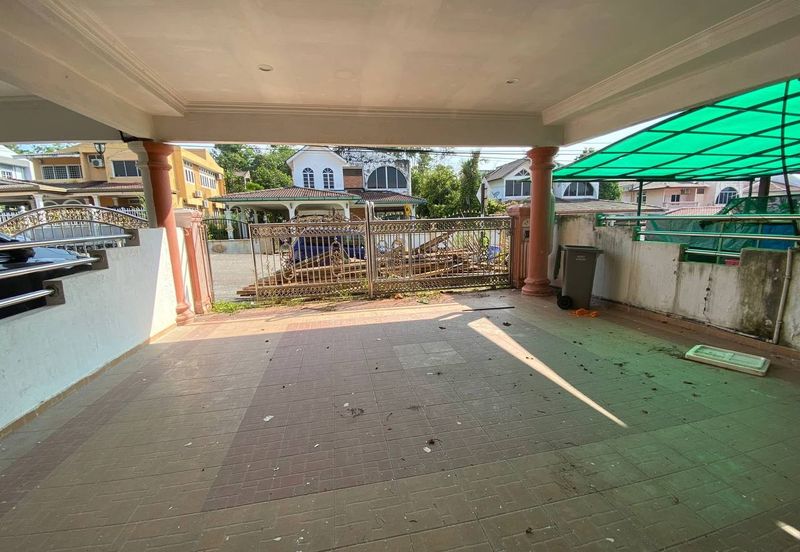
Taman Bukit Kelana
Seremban, Negeri Sembilan
RM 450,000
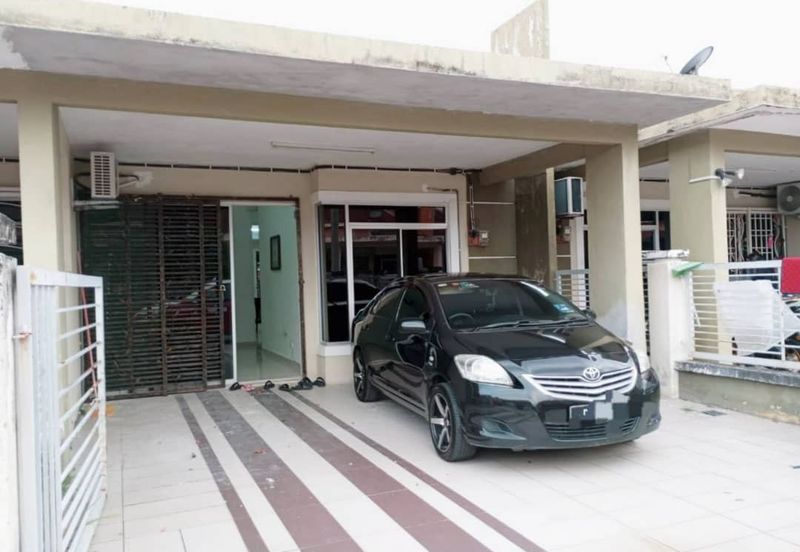
Nusari Aman 1, Bandar Sri Sendayan
Siliau, Negeri Sembilan
RM 290,000
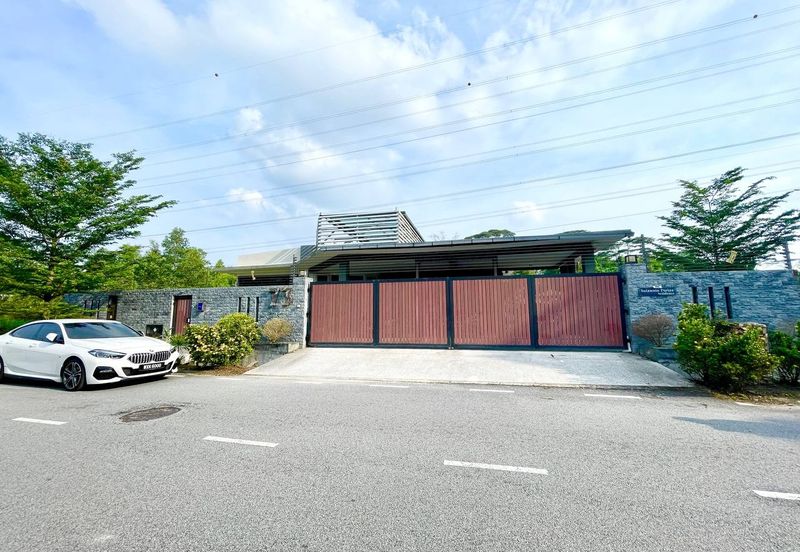
TAMAN PJ PERDANA
Seremban, Negeri Sembilan
RM 5,600,000
Taman Senawang Perdana
Seremban, Negeri Sembilan
RM 680,000
Green Street Homes Seremban 2
Seremban, Negeri Sembilan
RM 550,000
Taman Tuanku Jaafar
Seremban, Negeri Sembilan
RM 600,000
Follow Us
Follow our channels to receive property news updates 24/7 round the clock.


Telegram


Latest publications
View AllFollow Us
Follow our channels to receive property news updates 24/7 round the clock.



Malaysia's Most
Loved Property App
The only property app you need. More than 200,000 sale/rent listings and daily property news.