Rehda Institute’s RIYI 2026: Corporate mentors prep Gen Z for property careers
SUBANG JAYA (July 3): On paper, most final-year students already look “ready” for the job market: degrees, internships, co-curriculars and LinkedIn profiles in place. In practice, the gap between academic readiness and industry reality is still wide enough that the property sector is now building its own talent pipeline to bridge it."
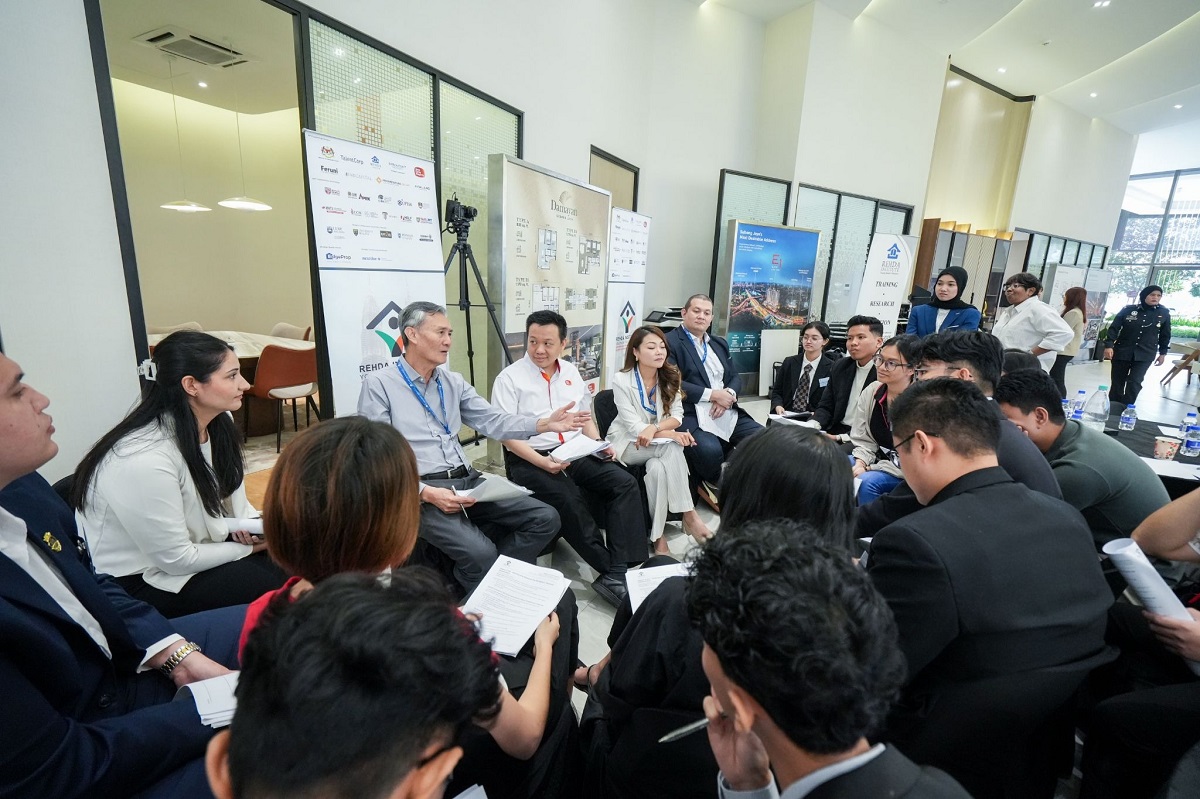
At the afternoon mentorship session of the Rehda Institute Youth Initiative (RIYI) 2026 hosted at Sime Darby Property’s Subang Jaya City Centre (SJCC) Gallery, recently, that gap was made explicit — and then practically addressed — from the perspectives of students, CEOs and industry mentors across the built environment ecosystem.
The session, themed “On The Job as a Gen Z in a Gen Y & X Workplace”, moved beyond generic motivational talks, putting about 50 participants through workplace simulations, mentor rotations and candid conversations about KPIs, emotional intelligence and real-world commercial expectations in property-related careers.
Why RIYI exists: Industry readiness beyond the classroom
For Rehda Institute chairman Datuk Jeffrey Ng Tiong Lip, RIYI did not begin as a branding exercise but as a response to a structural problem: universities can no longer keep pace alone with the speed at which the built environment and real estate industries are changing.
Read also
Rehda Institute RIYI mentors stress sustainability, industry readiness
“The built environment and real estate industries are evolving at a rapid pace that traditional education alone cannot match, particularly with the rise of Artificial Intelligence (AI),” he said in written responses to EdgeProp.
“Many graduates still lack exposure to the nuances of business operations, strategic decision-making, and the professional expectations of modern employers.”
Rather than letting young professionals only discover those gaps through trial and error in their first years of work, RIYI is built to push real-world perspectives much earlier into the talent pipeline.
In partnership with Talent Corporation, RIYI was curated using labour-market research into skills gaps, then placed CEOs, business leaders and practitioners directly in front of students.
“Ultimately, RIYI is about developing future leaders, not just future employees,” said Ng.
“We want young talents to understand how businesses create value, how industries drive economic growth, and how they can play a meaningful role in shaping Malaysia’s built environment.”
A year-long pipeline, not a one-off event
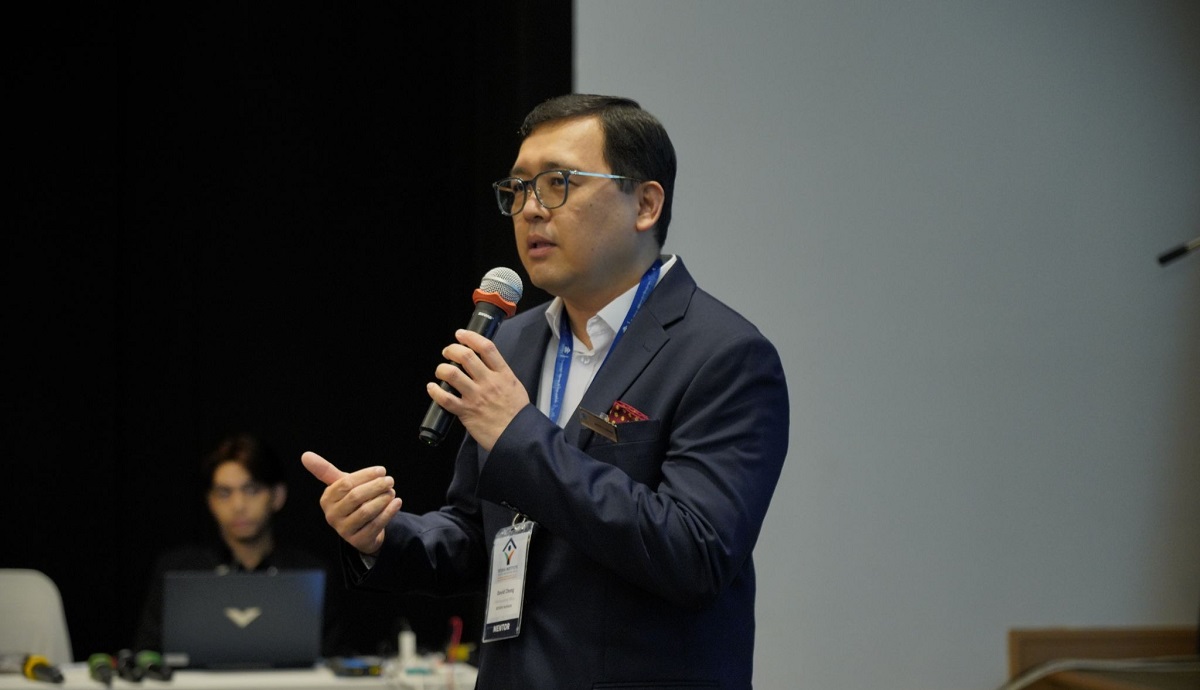
If RIYI’s intent is strategic, its format is equally deliberate. Rehda Institute chief operations officer David S. Chong described it as a year-long structured pipeline rather than a single engagement point.
The institute, guided by Ng and its board of trustees, has spent 22 years upskilling more than 30,000 professionals. That experience informed RIYI’s design philosophy.
“Meaningful impact requires more than a one-off engagement; it requires the sustained development of intellectual capital,” Chong said.
The 2026 cohort includes about 50 selected participants from more than 15 universities nationwide, including Universiti Putra Malaysia (UPM), Universiti Sains Malaysia (USM), Universiti Teknologi MARA (UiTM), Taylor’s University, Sunway University, Monash University Malaysia, Universiti Tunku Abdul Rahman (Utar) and TAR UMT.
Chong emphasised three design principles: continuity, industry-readiness and ecosystem building. Mentors span developers, consultants, logistics players, solar firms and media, exposing students to the full value chain of the built environment.
To maintain consistency across mentors, Rehda Institute — an HRDC-certified organisation — worked with consultant Logarajah Thambyrajah of Kognifi to develop a mentorship manual ensuring standardised learning outcomes across diverse industry voices.
Success, Chong said, includes graduates securing stronger placements and progressing to mid-managerial roles within two to three years. Longer-term, RIYI aims to influence university curricula and create a “pay-it-forward” cycle of alumni returning as mentors.
Session 2 at SJCC: Learning inside a live development
Hosted at Sime Darby Property’s SJCC Gallery, the second session placed students inside a live development environment rather than a conventional seminar space.
A guided tour of the sales gallery and surrounding township exposed participants to how planning, design, marketing, customer journey mapping and project delivery intersect in real estate creation.
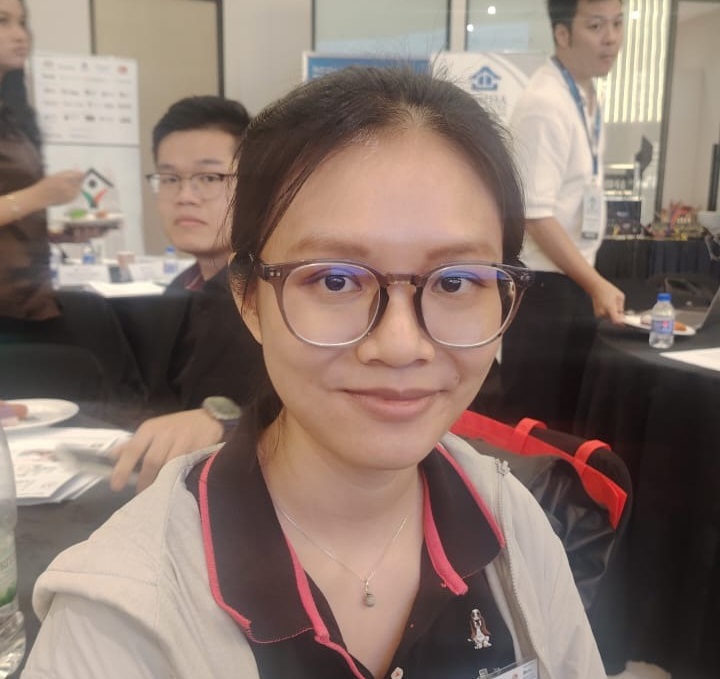
For Master of Architecture student Gan Shing Yen from USM, the setting mattered.
“It is quite useful to be in this session because I feel I learned a lot and it can be applied in my work… I’ve learned how to navigate office politics,” she said.
By embedding learning within an active development, RIYI bridged academic theory — studio work, planning concepts, finance modules — with day-to-day commercial execution in property development.
KPIs, OKRs and what performance really means
Inside the mentorship room, performance was not discussed abstractly. It was broken down into operational reality.
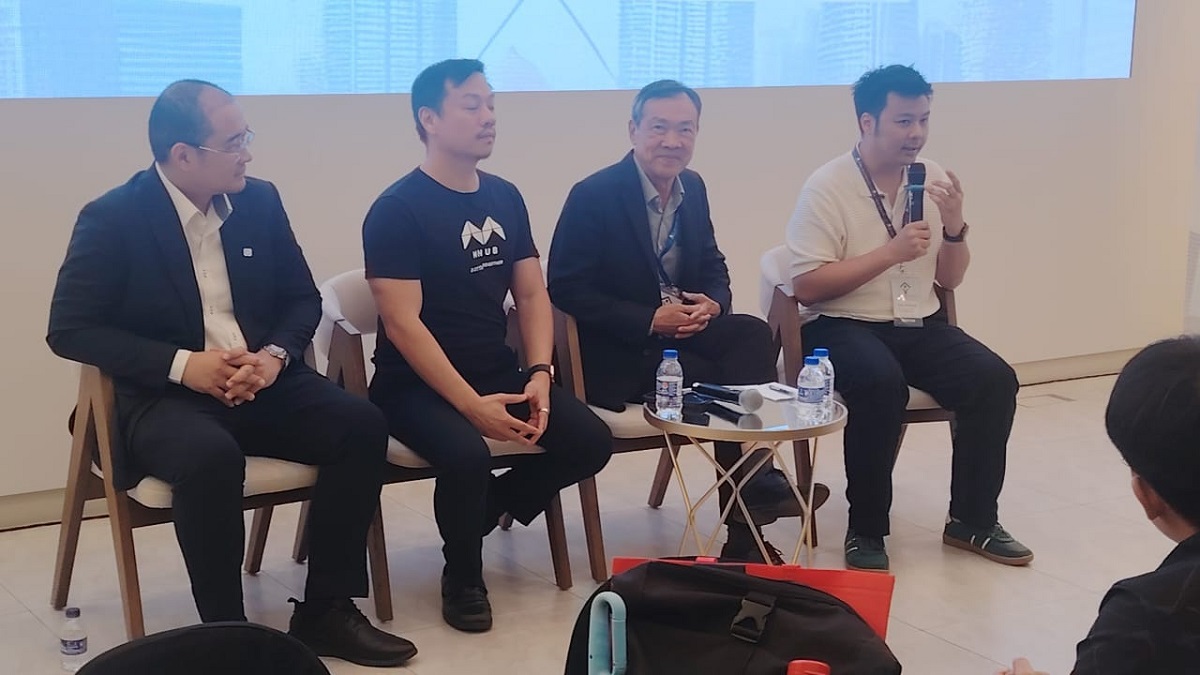
Mentors including Ng, Progressture Solar CEO Cliff Siaw, MHub CEO Indonesia Jason Ding, Chin Hin Group board advisor Ngian Siew Siong, Skibble Group CEO Teng Chan Leong and EdgeProp managing director Alvin Ong explained how organisations measure output through KPIs, OKRs and appraisal systems.
Siaw set the tone with a blunt reset on how performance is actually earned beyond campus. “The real world is not just about hard work — hard work gets you on the plane; playing smart gets you upgraded,” he said, reframing workplace success as a mix of output, trust and visibility rather than effort alone.
Siaw stressed that while universities reward knowledge, the workplace rewards output, and career growth ultimately hinges on communication, relationships and judgment — not just technical ability.
“Your degree may open the door, but your judgment, communication, and relationships determine how far you go,” he noted.
He also warned against romanticising office dynamics. “Office politics is not always evil,” he said, describing it instead as a system shaped by people, ego, incentives and pressure.
“Don’t be naive, but don’t become toxic — understand people without playing dirty,” he added, underscoring that workplace behaviour is driven by recognition, security, control and fear of blame, all of which influence how decisions are made under pressure.
Ding challenged participants with a blunt framing: KPIs are not personal preferences — they are defined by management to reflect what the business values.
Many graduates, he noted, unknowingly optimise for the wrong outputs.
“Many new hires work hard on the wrong things — tasks that feel important to them but don't move the metrics their manager is measured on,” he said.
He added that execution failure in scaling organisations is usually not strategic but communicational: teams drift because alignment breaks early.
On regional performance, he emphasised adaptability over intelligence. Success depends on navigating culture, trust and human dynamics — not just analytical ability.
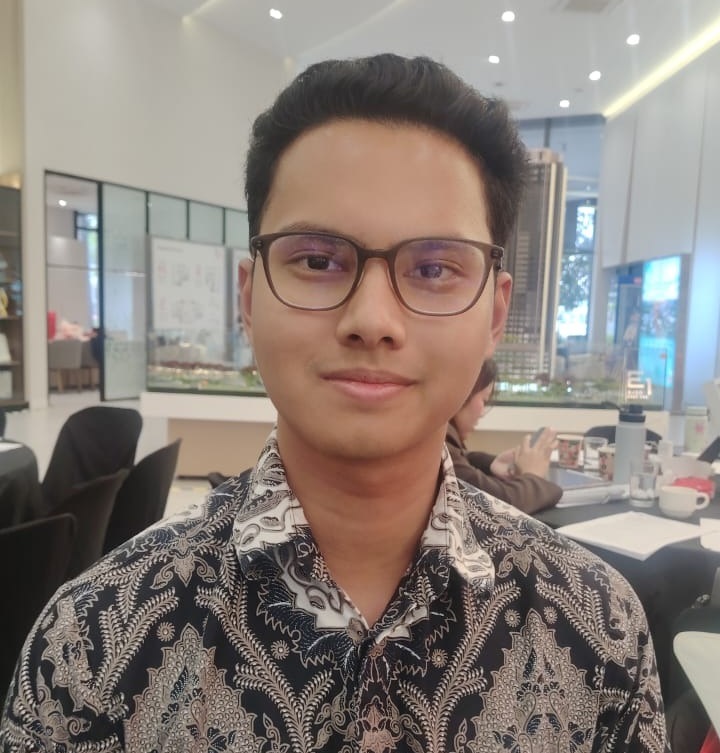
For participant Arif Hadiyan, this was a shift in perspective. “I’m able to have full direct access to all these mentors from various backgrounds… I learned how companies generate money, or how companies set their own standard KPIs,” he said. “From there, I learned how to see how the company looks at our performance.”
Emotional intelligence: The hidden KPI
Beyond metrics, mentors highlighted emotional intelligence as a decisive but invisible performance factor.
Ding noted that appraisal outcomes are partly shaped in “calibration rooms” long before review cycles, where behaviour and perception matter as much as output.
Key traits include handling feedback without defensiveness, reading room dynamics, and supporting colleagues.
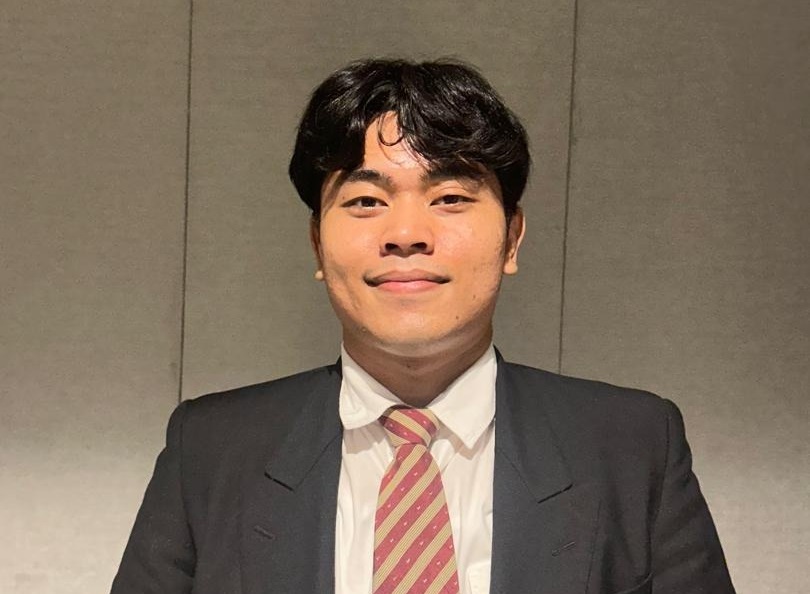
International Business student Mohamad Harith Irfan from UniMAP said the biggest shift was understanding the gap between academic excellence and workplace trust.
“Bosses don’t see how clever I am, but how I can be the best team player,” he said.
He added that emotional intelligence is learned through exposure and failure.
“You only build it by being in those rooms and getting it wrong a few times.”
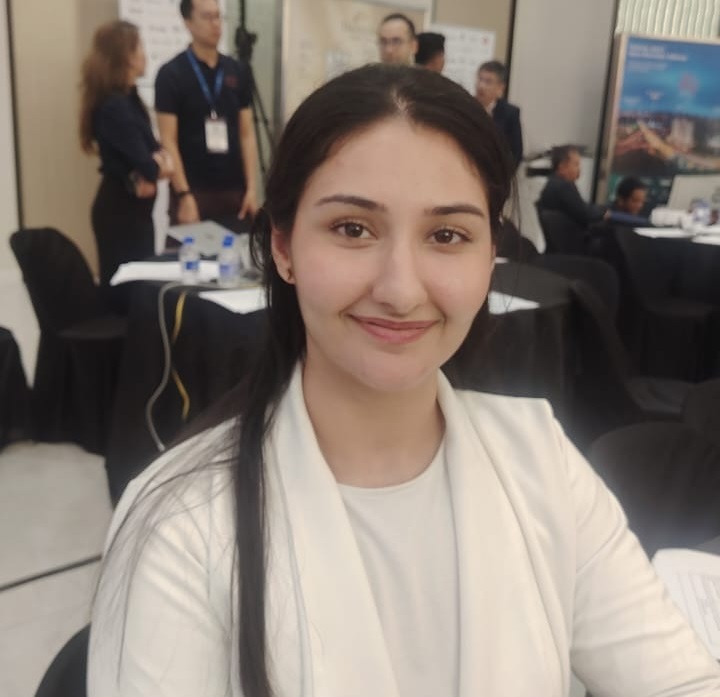
Participant Teshmeen Kaur noted conflict management and responsible AI use in reporting. “I learned how I can tackle my work life in future and also how to overcome most situations I happen to handle with my bosses. And also if there’s any conflict, how can I resolve it or calm the situation.”
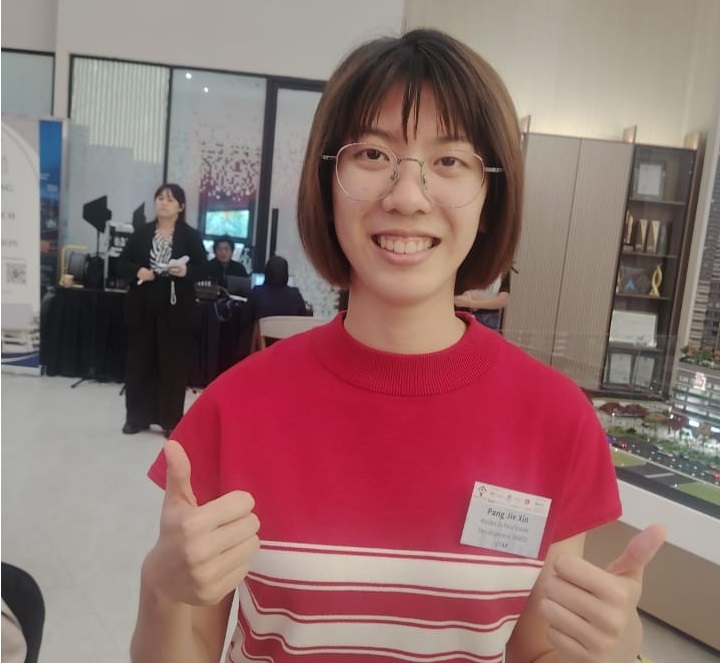
For real estate practitioner Pang Jie Xin, two points stood out: “Managing your time, and then, you have to train your EQ,” she said, highlighting that time discipline and emotional intelligence were more challenging than technical tasks.
Communication across generations
The EQ discussion also extended beyond individual behaviour into workplace communication styles.
Skribble Group CEO Teng Chan Leong described workplace communication as a “generational translation gap”.
Younger workers favour short, fast, low-context messaging, while older structures expect layered explanation and formal sequencing.
“Both sides think the other is bad at communicating,” he said. “Actually, they're just speaking different dialects.”
He also stressed accountability: psychological safety must coexist with responsibility. Mistakes are acceptable, but avoidance is not.
Sustainability over short-term gains
Chin Hin Group board advisor Ngian Siew Siong warned against excessive short-termism in corporate performance culture.
“Short-term driven companies tend to focus too much on sales and profit while overlooking long-term vision,” he said.
He advocated a Balanced Scorecard approach balancing financials, customer outcomes, internal processes and learning & growth.
For young professionals, he highlighted teamwork, communication, analytics, innovation and EQ-IQ balance as core behavioural traits.
From tasks to value creation
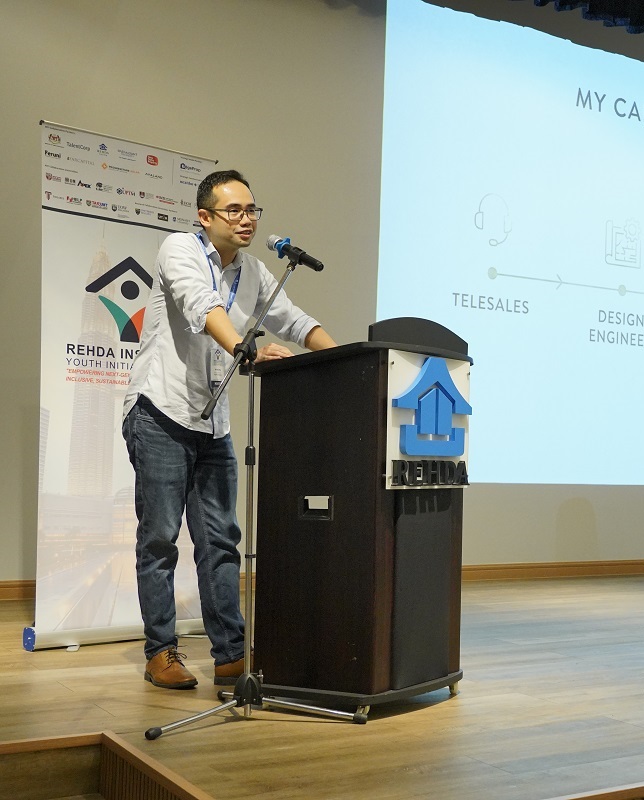
EdgeProp Malaysia managing director Alvin Ong brought the conversation back to how young professionals present themselves. His message to participants was simple: stop listing only tasks, start showing what actually changed because you were there.
Using a “value ladder” framework, he encouraged students to link daily work to real‑world impact such as saving time, improving processes or contributing to revenue. “Doing this doesn't just win job interviews — seeing the actual value of your work is what protects you from burnout,” he told them.
As RIYI's media partner, EdgeProp Malaysia will support participants through youth-perspective assignments on themes such as “Campus to Career”, “Side Hustles & Entrepreneurship” and “First 50K (Financial Habits)”, as well as interviews with industry leaders, mentors and peers, added Ong.
Participants: recalibrating ambition
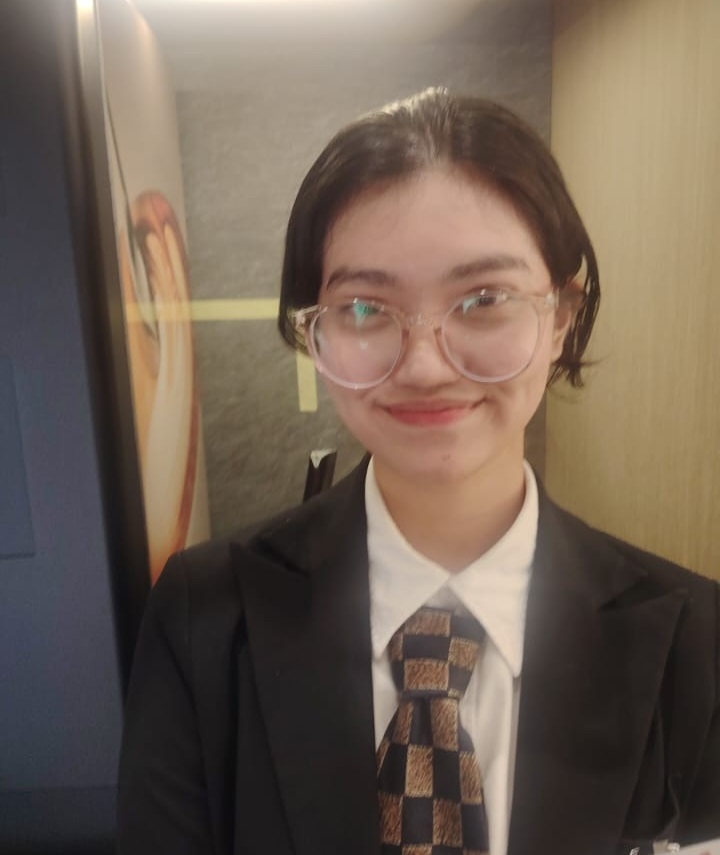
For scholar Nur Farha Qhairunisha, RIYI expanded career perspectives rather than changing direction.
The session was not about changing her career path, but widening its horizon. “As a person who goes into case studies, challenges, industry competitions, this one is different because it helps you to project your next career growth,” she said.
“People might say that my future has been set, but RIYI gives me a chance to see things beyond what my bonded years are… connecting with my mentors, mentors in the industry, future leaders, my peers.”
Harith left with a practical resolution: be more active in developing skills by joining activities, networking and seeking internships. “I believe these experiences will help me prepare better for my future career,” he said.
Real estate practitioner Pang believes universities provide strong foundational knowledge, but that programmes like RIYI fill critical gaps in networking and relationship‑building.
“That’s why I think RIYI is such a valuable programme. It gives university students the opportunity to engage with industry professionals, connect with business leaders, and gain real‑world exposure beyond the classroom,” she said.
Asked to summarise the session for a friend, Teshmeen put it simply: building a successful career is “not just about what you know, but also about communicating effectively, collaborating across generations with different strengths and perspectives, and understanding how your daily work contributes to the organisation’s goals”.
The bigger picture: Future industry captains
Across leadership inputs and student reflections, a consistent message emerged: technical skills will open doors, but mindset determines trajectory.
“Technical skills can always be sharpened,” Ng said. “What concerns me more is mindset.”
For RIYI, the objective extends beyond producing graduates ready for their first job. The longer-term aim is to create future mentors and industry leaders who eventually return to strengthen the same talent pipeline they once entered — turning today's participants into tomorrow's industry builders.
..........
Read about emerging trends, data-backed insights, growing subsectors, and expert commentaries in EdgeProp print. Subscribe now for your free copy!
Follow Us
Follow our channels to receive property news updates 24/7 round the clock.


Telegram


Latest publications
View AllFollow Us
Follow our channels to receive property news updates 24/7 round the clock.
Malaysia's Most
Loved Property App
The only property app you need. More than 200,000 sale/rent listings and daily property news.