Cost of Living and Relocation in Malaysia
Cost of Living and Relocation in Malaysia
Relocating to Malaysia offers a unique blend of affordability and cultural richness. The cost of living in Malaysia is notably lower than in many Western countries, which makes it an attractive destination for expatriates and digital nomads. To help you plan wisely, this guide to the Cost of Living and Relocation in Malaysia summarizes key expenses and considerations for living in Malaysia.
Malaysia's diverse culture and vibrant lifestyle add to its appeal. From bustling cities to serene rural areas, the country offers a variety of living experiences.
Understanding the cost of living is crucial for anyone considering a move. Housing, utilities, and daily expenses vary widely across regions.
This guide will help you navigate the financial aspects of living in Malaysia. Discover what makes Malaysia a compelling choice for relocation.
Overview of Living in Malaysia
Living in Malaysia offers a dynamic blend of modernity and tradition. The country is known for its multicultural society, featuring influences from Malay, Chinese, and Indian cultures. This diversity is reflected in vibrant festivals, food, and customs.
The climate is tropical, with warm temperatures year-round, making it ideal for outdoor activities. English is widely spoken, easing the transition for expatriates.
Key Highlights:
-
Diverse Culture
-
Tropical Climate
-
English Language Proficiency
The political stability and a low crime rate make Malaysia a safe and secure place to live. Its robust infrastructure includes reliable public transportation and modern amenities.
With its mix of traditional charm and modern conveniences, Malaysia provides a comfortable and enriching living experience.
Cost of Living in Malaysia: Key Factors
The cost of living in Malaysia is generally affordable, especially when compared to Western countries. Several factors influence living expenses in Malaysia, such as location, lifestyle choices, and economic conditions. For a quick snapshot of the cost of living Malaysia offers, your city of choice, lifestyle, and the Ringgit's exchange rate will have the biggest impact.
Major cities like Kuala Lumpur and Penang have higher living costs than smaller towns. Housing is a significant expense, with urban areas demanding higher rents.
Malaysia's currency, the Ringgit, also affects the cost of living, especially for expatriates dealing with currency exchange rates. Inflation can lead to price fluctuations in everyday goods.
Monthly expenses can vary widely, depending on individual preferences. Below are some typical costs to consider:
-
Rent: RM 1,500 - RM 3,000 (urban areas)
-
Utilities: RM 250 - RM 400
-
Groceries: Relatively inexpensive
Malaysia offers a good value for money, balancing quality and affordability in housing, food, and services. This makes it appealing to many expatriates and digital nomads.
Housing and Accommodation Costs
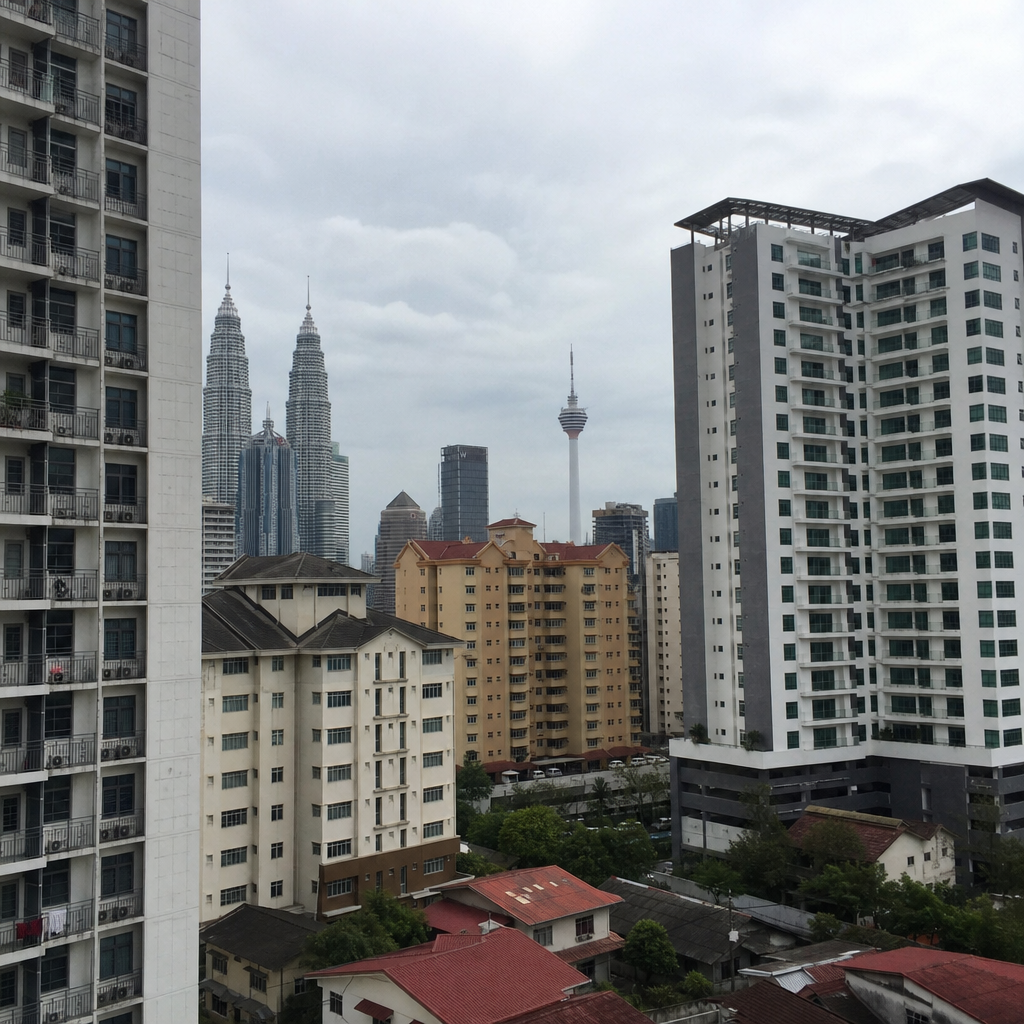
Housing costs in Malaysia can vary greatly, depending on location and property type. Urban areas, particularly Kuala Lumpur, have higher rental prices. Rural regions offer more affordable options.
A one-bedroom apartment in central Kuala Lumpur typically rents for RM 1,500 to RM 3,000 monthly. This range depends on the neighborhood and building amenities. In contrast, similar accommodations in smaller towns may cost significantly less.
For those considering home ownership, Malaysia's real estate market provides diverse opportunities. Properties range from luxurious condominiums to more modest apartments. Buyers should consider factors like proximity to work and school districts.
Utility bills, including electricity, water, and internet, are generally manageable. Expect to pay RM 250 to RM 400 monthly. This cost is often higher in larger homes or apartments.
List of housing costs:
-
Kuala Lumpur: RM 1,500 - RM 3,000 (rental)
-
Smaller towns: Lower rental rates
-
Utilities: RM 250 - RM 400
Malaysia's housing market offers something for everyone, catering to various budgets and preferences.
Utilities and Internet Expenses
Utility expenses in Malaysia are generally reasonable. This includes electricity, water, and gas. Most households spend around RM 250 to RM 400 per month.
For internet services, various plans suit different needs. A typical high-speed internet package costs about RM 100 to RM 150 monthly. Coverage is usually strong, even in less urban areas.
Essential utilities at a glance:
-
Electricity and water: RM 250 - RM 400
-
High-speed internet: RM 100 - RM 150
Overall, utility and internet costs are affordable, enabling residents to budget effectively without compromising service quality.
Food, Groceries, and Dining Out
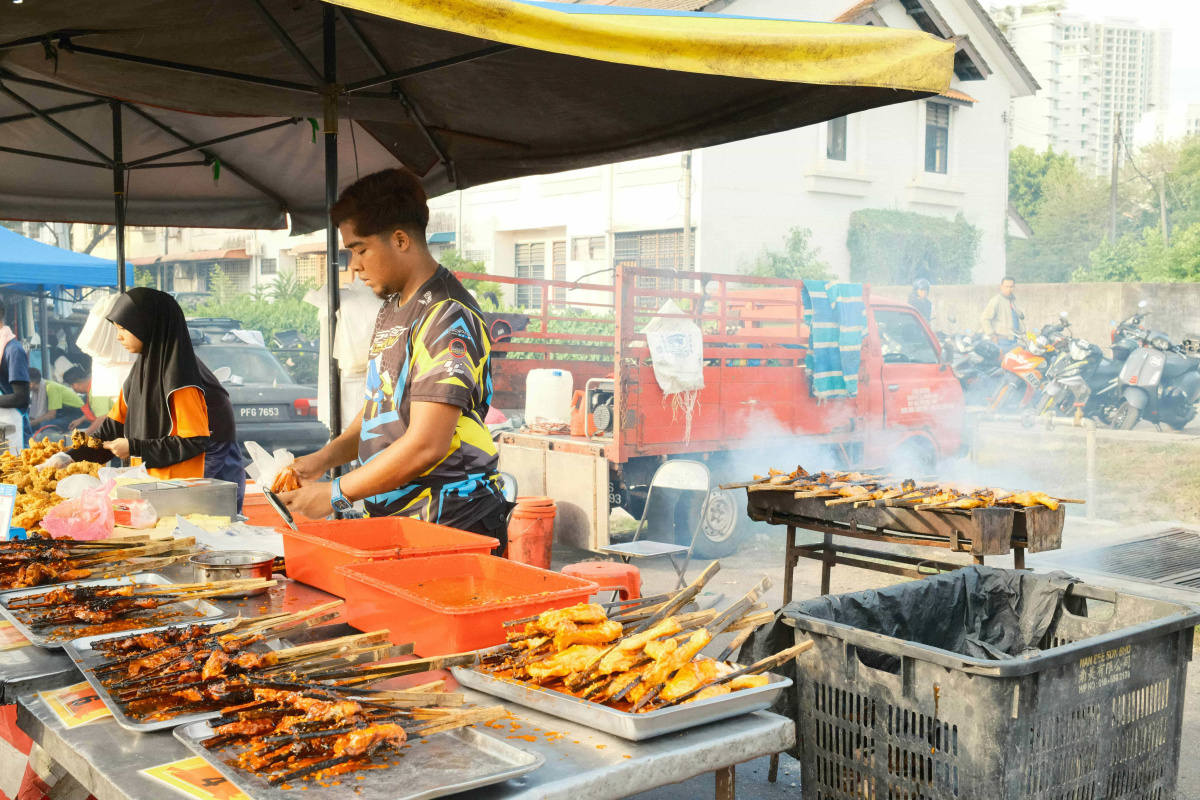
Malaysia offers a culinary paradise. Eating out is both affordable and diverse. Street food ranges from RM 10 to RM 20 per meal.
Groceries are inexpensive, especially local produce. Imported goods are slightly pricier but still reasonable. Shopping at local markets is a cost-effective option.
Malaysian cuisine reflects its cultural diversity. You can enjoy Malay, Chinese, and Indian dishes, all widely available. The variety ensures a fresh culinary experience every day.
Dining at a mid-range restaurant might cost around RM 50 for two. This makes eating out regularly an option for many residents.
Weekly grocery expenses:
-
Local produce: Affordable
-
Imported items: Higher costs
-
Dining out: RM 10 - RM 50 per meal
by Kelvin Zyteng (https://unsplash.com/@zyteng)
Ultimately, food is a significant part of Malaysia's charm, attracting both locals and expatriates alike.
Transportation and Getting Around
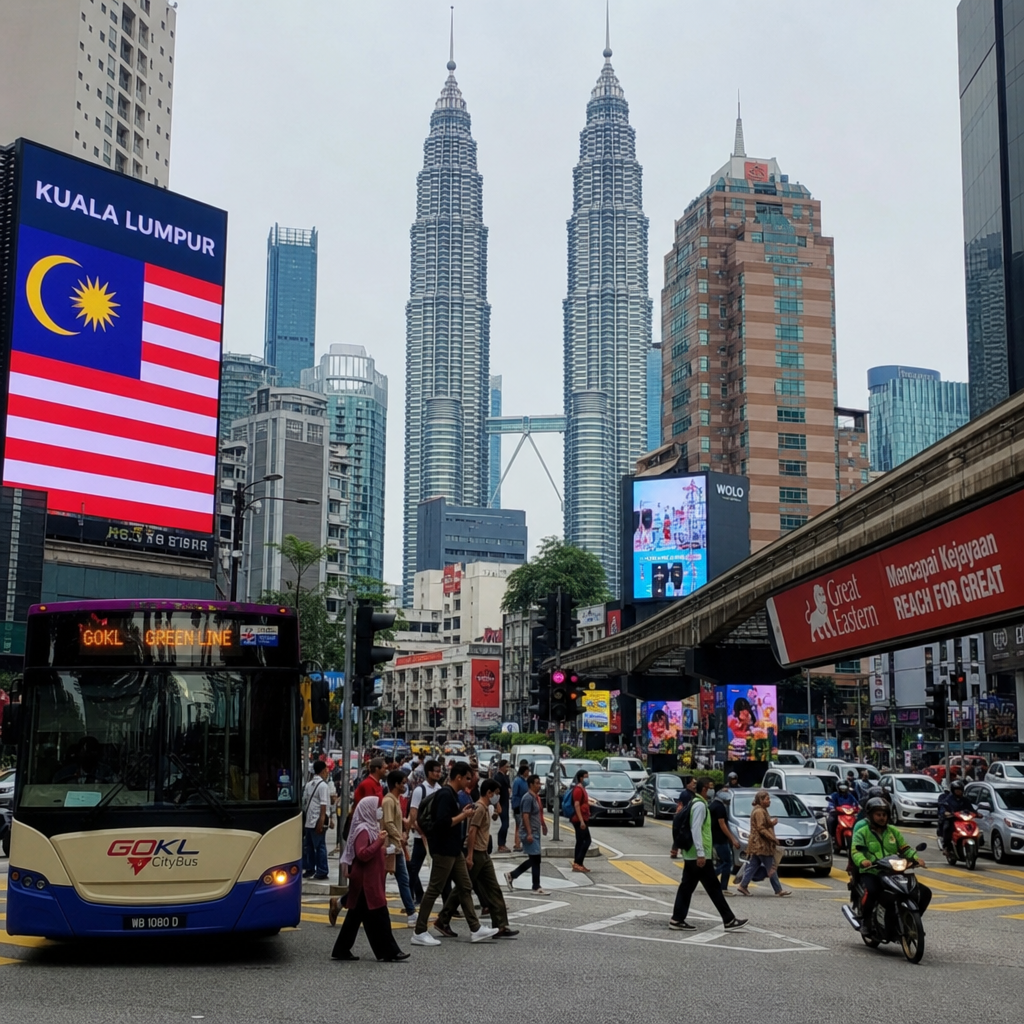
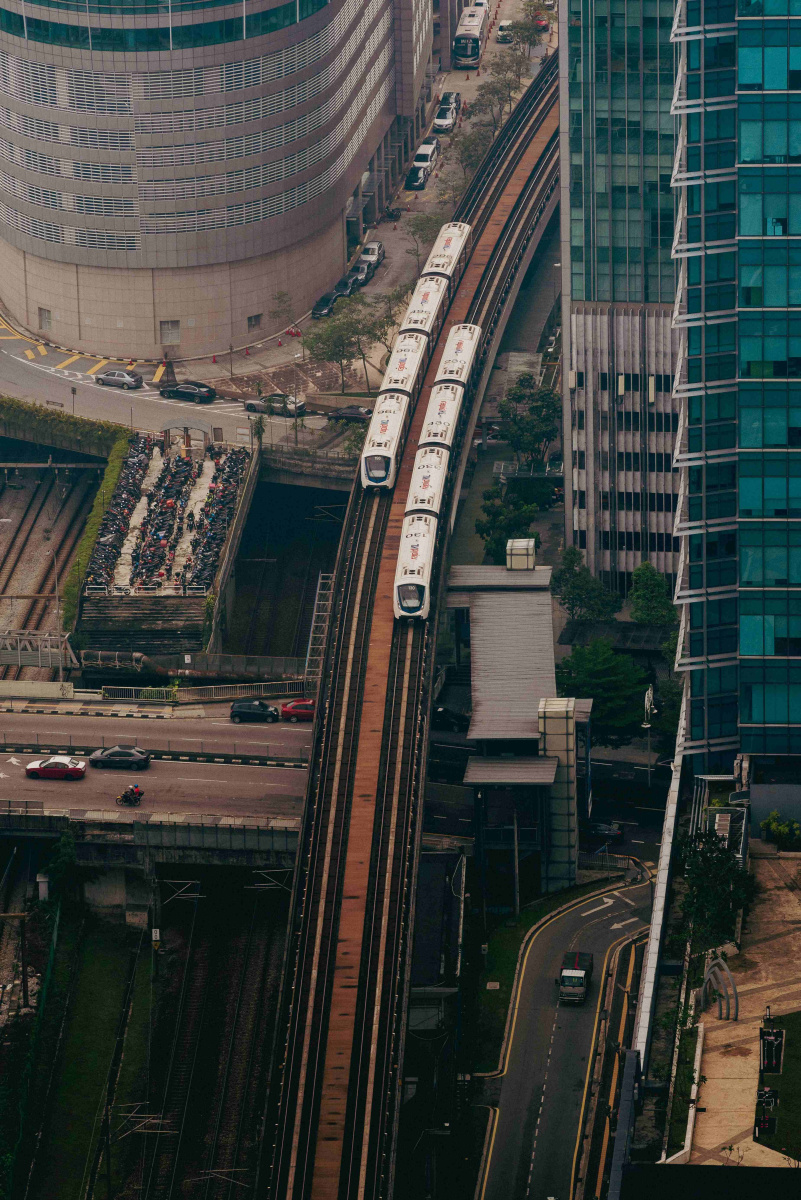
Malaysia boasts a robust transportation infrastructure. Cities like Kuala Lumpur are well-connected by trains and buses. Public transportation is cost-effective and efficient.
A monthly Rapid Bulanan pass costs RM150 and covers unlimited bus and train travel (Malaysian citizens can use the cheaper RM50 My50 pass). Taxis and ride-sharing services like Grab are also widely available.
Owning a car is an option but comes with extra costs. These include insurance, fuel, and road tax. Parking fees can vary, adding another potential expense.
Key transportation costs include:
-
Public transport pass: RM150 monthly (RM50 via My50 for Malaysians)
-
Taxi/Ride-sharing: Variable costs
-
Car ownership: Additional expenses
by weyfoto loh (https://unsplash.com/@weyfoto)
In summary, getting around Malaysia is easy and affordable. Options cater to different preferences and budget levels, ensuring convenience for all.
Healthcare and Medical Costs
Malaysia's healthcare system is highly regarded for quality and affordability. Public hospitals offer top-notch care at reasonable prices. Many expatriates find private healthcare appealing due to shorter wait times.
Medical insurance is advisable, even though costs are generally low. This provides peace of mind in case of major health issues or emergencies. It also makes private healthcare more accessible.
Expats can access a wide array of medical services. From general consultations to specialized treatments, services are comprehensive. English-speaking medical professionals are common, easing communication.
Typical healthcare costs include:
-
General Consultation: RM 50 to RM 150
-
Specialized Consultation: RM 150 to RM 300
-
Comprehensive Health Insurance: RM 800 and above annually
Overall, Malaysia ensures quality healthcare services are within reach. This contributes to the country's appeal as a relocation destination.
Education and Schooling Options
Malaysia offers a wide range of educational options for expatriates. Public schools teach in Malay, while many international schools teach in English. This ensures a global education for children of expats.
International schools in Malaysia deliver globally recognized curricula. These include the British, American, and International Baccalaureate systems. Fees can be high, ranging from RM 20,000 to RM 100,000 annually.
Key schooling options include:
-
Local Public Schools: Affordable but primarily teach in Malay
-
International Schools: Higher fees, with a global curriculum
-
Private Institutions: Offer bilingual education and mid-range fees
These varied options cater to different needs and budgets, making Malaysia a versatile choice for expat families.
Lifestyle, Entertainment, and Recreation
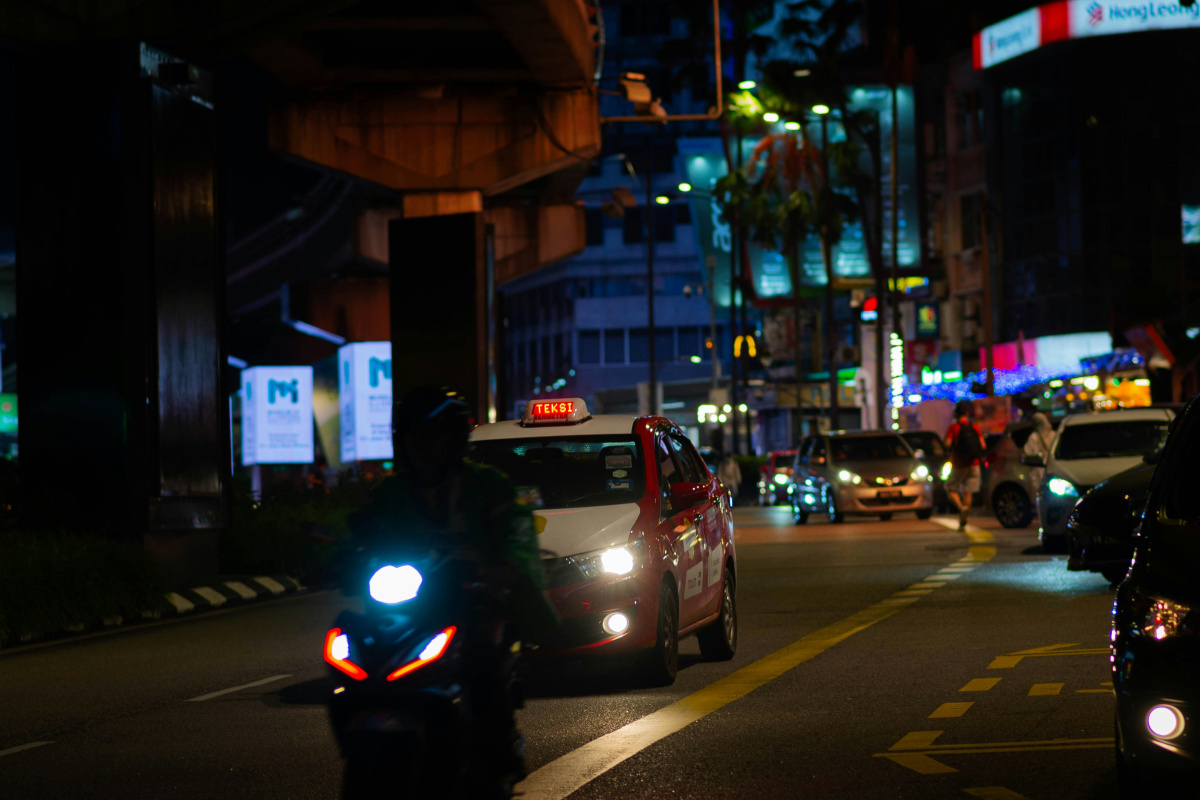
Malaysia offers a vibrant lifestyle packed with endless entertainment. From bustling street markets to high-end malls, there's something for everyone. The nightlife scene in Kuala Lumpur is lively with a mix of clubs and bars.
Recreational activities are diverse and plentiful. Outdoor enthusiasts can enjoy hiking, diving, and exploring Malaysia's lush landscapes. Cultural festivals and events provide unique experiences throughout the year.
Key activities include:
-
Shopping: From local markets to luxury malls
-
Outdoor Adventures: Hiking, diving, and wildlife
-
Cultural Experiences: Festivals and events
by Mehdi Ben (https://unsplash.com/@maytasonmehdi)
Whether you seek relaxation or adventure, Malaysia's lifestyle caters to various tastes and preferences.
Relocation Process: Visas, Permits, and Practical Steps
Moving to Malaysia involves understanding its visa and permit options. The Malaysia My Second Home (MM2H) program is popular among expatriates. It allows long-term residence through a 10-year multiple-entry visa under the Special Financial Zone (Forest City) route, while the standard national programme grants tiered multiple-entry visas of 5, 15, or 20 years (Silver, Gold, and Platinum).
Visa options vary for different purposes, including employment and business. Understanding these requirements is crucial for a smooth relocation process. Early planning can help prevent delays.
Key steps to consider:
-
Research Visa Types: Choose the right visa for your needs.
-
Secure Documentation: Prepare necessary documents in advance.
-
Understand Legal Requirements: Familiarize yourself with local laws.

by Kelvin Zyteng (https://unsplash.com/@zyteng)
Practical steps like finding accommodation and setting up utilities should be planned ahead. Engage with local communities to ease the transition. These connections can provide valuable insights into living in Malaysia.
Tips for Saving Money and Budgeting in Malaysia
Budgeting effectively in Malaysia can enhance your financial stability. Take advantage of affordable local markets and public transportation to save money. This approach is both practical and economical.
Consider these money-saving tips:
-
Shop Local: Purchase produce from local markets.
-
Use Public Transport: It's affordable and efficient.
-
Eat Wisely: Enjoy economical meals at local eateries.
Tracking expenses is vital for staying within your budget. Use apps or journals to monitor spending. This habit ensures you remain financially organized while living in Malaysia.
Comparing Malaysia's Cost of Living to Other Countries
Malaysia offers a more affordable cost of living compared to many Western nations. This affordability makes it attractive for expatriates seeking a vibrant yet budget-friendly lifestyle. It's a balance hard to find elsewhere.
When comparing Malaysia to neighboring countries like Singapore, the savings are substantial. For instance, housing and dining out are significantly cheaper in Malaysia than in Singapore. Utilities and transportation also add to the savings.
Consider these comparison points:
-
Housing: Lower rental costs than in Western countries.
-
Dining: Cheaper meals than in Singapore.
-
Utilities: More economical than in many Western cities.
Overall, Malaysia strikes a remarkable balance between cost and quality of life, especially for those seeking an economical living option in Southeast Asia.
Pros and Cons of Living in Malaysia
Living in Malaysia offers numerous advantages, making it a popular destination for expatriates. The low cost of living is a significant draw, alongside the country's rich cultural heritage and welcoming community. Additionally, Malaysia's strategic location provides easy access to explore Southeast Asia.
However, like any destination, there are downsides. Some expatriates may find the tropical climate challenging, with its heat and humidity. Cultural differences might require some adjustment.
Consider these points:
-
Pros: Affordable living, diverse culture, friendly locals.
-
Cons: Warm weather, cultural adaptation, periodic traffic congestion.
Conclusion: Is Malaysia Right for You?
Deciding to relocate to Malaysia depends on your personal preferences, lifestyle goals, and how the cost of living in Malaysia aligns with them. The country offers a unique blend of affordable living and vibrant cultural experiences that are hard to match.
If you value a diverse community and are comfortable with tropical climates, Malaysia might be an ideal choice. With a welcoming expat community and modern amenities, it provides a balance of comfort and adventure. Consider your priorities to make the best decision.
Continue your property journey with our FREE monthly newspaper, featuring the latest market insights and expert analysis. Subscribe to claim your copy!
Disclaimer: This article is provided for general information purposes only. The Edge Property Sdn Bhd makes no representations or warranties as to the accuracy, reliability, or completeness of the information, including its fitness for any particular purpose, to the fullest extent permitted by law. While every effort has been made to ensure the information is accurate and up to date as of the time of writing, it should not be relied on as the sole basis for any financial, investment, real estate, or legal decision, nor should it replace advice from a qualified professional who can consider your personal circumstances. The Edge Property Sdn Bhd accepts no liability for decisions made based on this article.
Recommendations

Prime Location! Bukit Sekilau Shophouse For Sale | Near Stadium Kuantan City Centre
Kuantan, Pahang
RM 1,050,000

Taman Bukit Kelana
Seremban, Negeri Sembilan
RM 450,000
Nusari Aman 1, Bandar Sri Sendayan
Siliau, Negeri Sembilan
RM 290,000
TAMAN PJ PERDANA
Seremban, Negeri Sembilan
RM 5,600,000
Taman Senawang Perdana
Seremban, Negeri Sembilan
RM 680,000
Green Street Homes Seremban 2
Seremban, Negeri Sembilan
RM 550,000
Follow Us
Follow our channels to receive property news updates 24/7 round the clock.


Telegram


Latest publications
View AllFollow Us
Follow our channels to receive property news updates 24/7 round the clock.



Malaysia's Most
Loved Property App
The only property app you need. More than 200,000 sale/rent listings and daily property news.