Share
Share

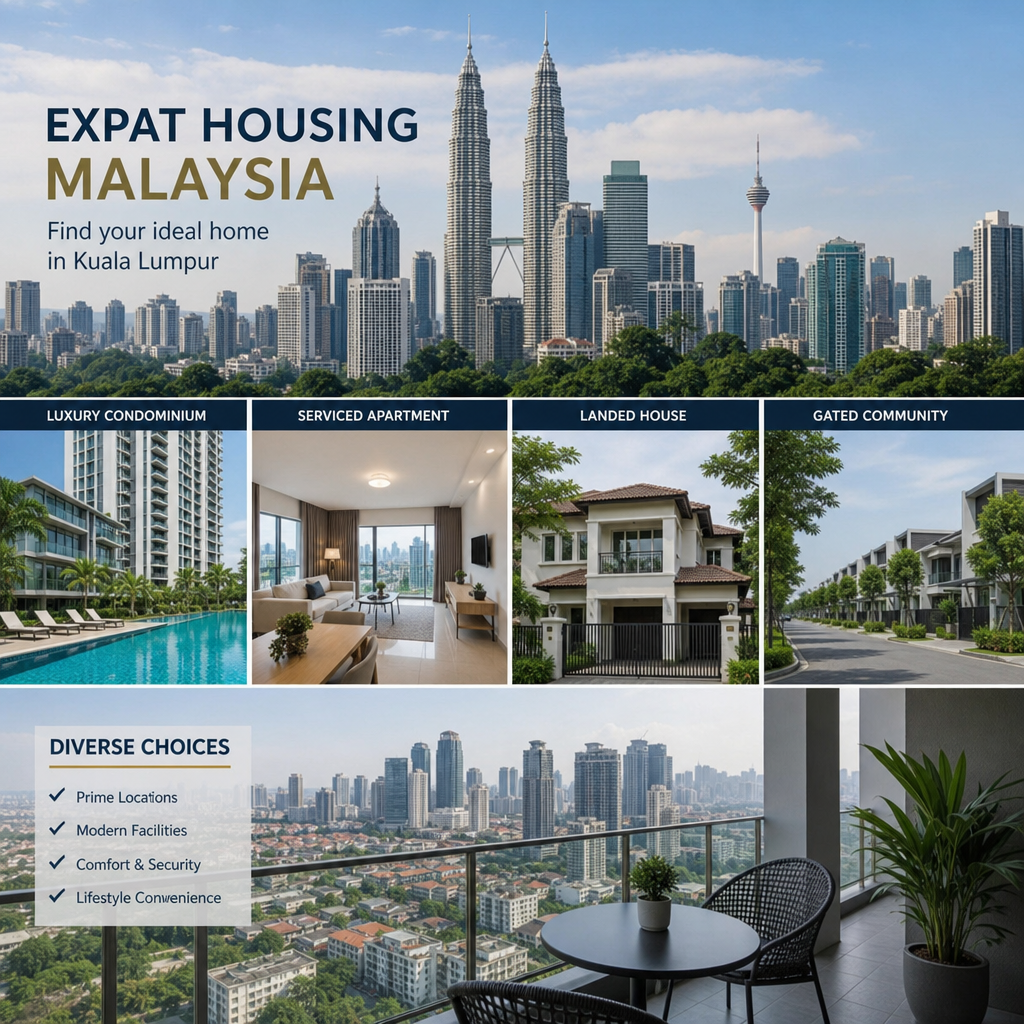
Moving to a new country is an exhilarating experience, and for many, relocating to Southeast Asia is a dream come true. When it comes to living in Malaysia, expats are consistently drawn to the country's vibrant blend of cultures, mouth-watering culinary scene, tropical climate, and highly competitive cost of living. However, before you can fully settle into your new lifestyle, one of the most critical steps is securing the perfect place to call home. Navigating the Housing Options for Expats in Malaysia doesn't have to be overwhelming if you know what to look for and understand the local real estate landscape.
Whether you are a single digital nomad, a young professional couple, or a large family relocating for work, understanding the ecosystem of housing for expats is crucial. From gleaming high-rise condominiums in the heart of Kuala Lumpur to serene beachfront villas in Penang, the housing options for expats in malaysia are as diverse and dynamic as the country itself.
In this comprehensive guide to Housing Options for Expats in Malaysia, we will explore everything you need to know about finding your perfect Malaysian home, from choosing the right neighborhood to understanding legal contracts and deposits.
Types of Housing for Expats
When exploring your choices, you will quickly notice that the Malaysian property market caters beautifully to foreign tastes, budgets, and requirements.
Condominiums vs. Serviced Apartments
One of the first dilemmas many new arrivals face is understanding the difference between a condominium vs serviced apartment Malaysia. Both are incredibly popular among expats, but they serve slightly different needs and come with different utility structures.
-
Condominiums: These are private residential strata properties. They usually offer excellent facilities like resort-style swimming pools, fully equipped gymnasiums, squash courts, BBQ pits, and 24-hour security. Crucially, condominiums are built on residential land. This means they are billed under residential utility rates, which are heavily subsidized and generally much lower.
-
Serviced Apartments: Often built on commercial land (sometimes integrated with shopping malls or office blocks), these units offer similar or even superior amenities to condos. They may also come with hotel-like perks such as housekeeping, laundry, or concierge services. However, because they sit on commercial land, utility bills and local assessment taxes can be up to 30% higher unless the developer has successfully applied for a residential rate conversion.
Landed Properties and Gated Communities
For those who prefer having their feet firmly on the ground, landed properties—such as terraced houses, semi-detached homes (semi-Ds), or sprawling bungalows—are widely available in suburban areas.
For expats relocating with children, gated and guarded communities for families are highly recommended. These neighborhoods offer a highly secure environment where children can play outside safely or ride their bicycles. They often feature private community parks, exclusive clubhouses, and strict visitor screening protocols that provide unparalleled peace of mind for expat parents.

Where to Live: Top Expat Hubs
Your experience living in Malaysia will be heavily influenced by where you choose to reside. The country offers a variety of distinct lifestyles depending on your chosen city and neighborhood.
Kuala Lumpur and the Klang Valley
As the economic heart of the country, the capital city is a magnet for foreign professionals. When looking for the Best neighborhoods for expats in Kuala Lumpur, three areas consistently top the list:
-
Mont Kiara: Often dubbed an "expat bubble," Mont Kiara is famous for its family-friendly environment and walkability. Its major draw is the proximity to international schools and healthcare, with top-tier institutions like Garden International School and Mont Kiara International School located right in the neighborhood. Top-notch private hospitals like Global Doctors Hospital are also just around the corner.
-
Bangsar: A favorite among young professionals and couples without children, Bangsar boasts a thriving café culture, upscale dining, and vibrant nightlife, all while maintaining a cozy, suburban feel.
-
KLCC (Kuala Lumpur City Centre) & Bukit Bintang: If you want to be in the thick of the action, living near the iconic Petronas Twin Towers offers unparalleled luxury and convenience. You will have world-class shopping and dining at your doorstep, though the price per square foot will be at a premium.
-
Ampang: Known as the embassy district, Ampang offers a mix of luxury condos and sprawling old-money bungalows. It also provides excellent access to international schools like ISKL (International School of Kuala Lumpur) and premium medical care at Gleneagles Hospital.
Penang: The Pearl of the Orient
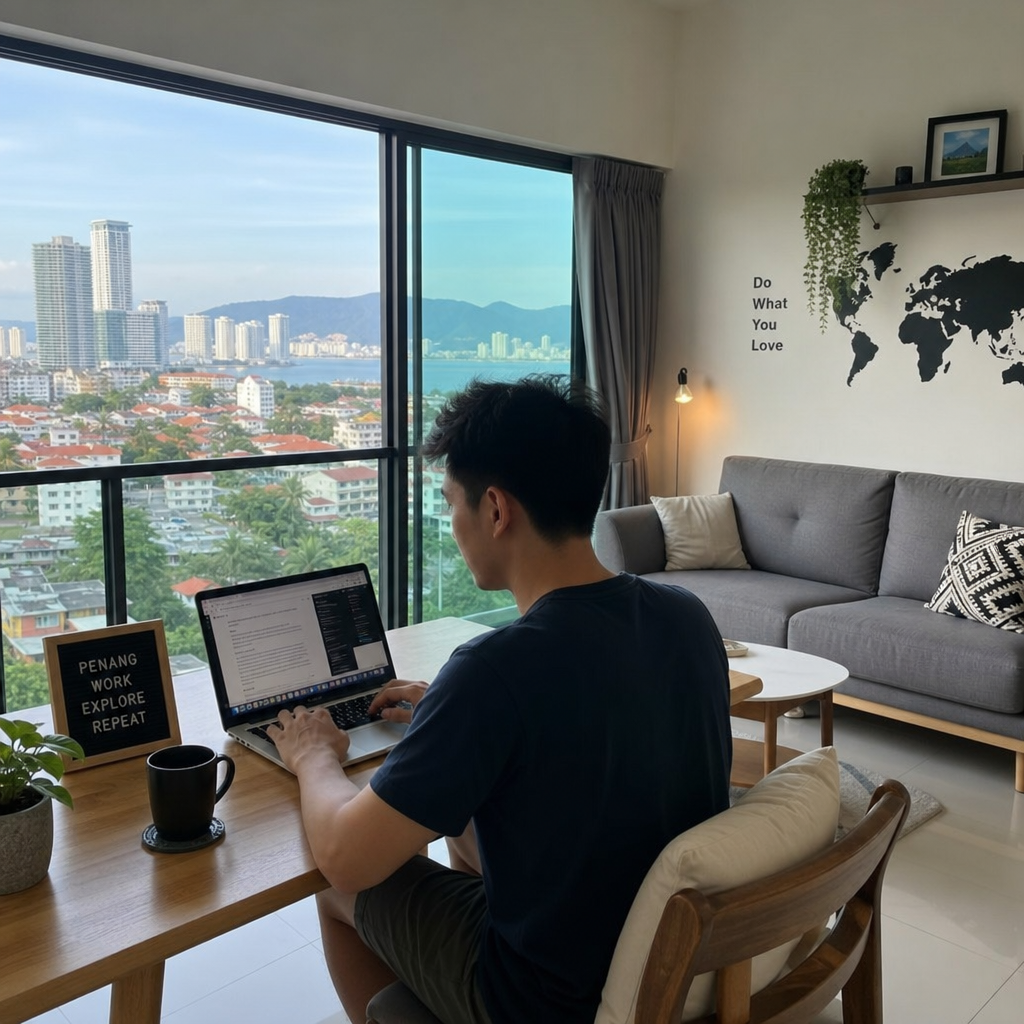
Penang is a fantastic alternative to the hustle and bustle of KL, offering a more relaxed, island lifestyle infused with a rich colonial and cultural heritage. Expats generally flock to the northern coastal areas like Tanjung Bungah, Batu Ferringhi, and the historical center of George Town.
The monthly rental prices in Penang for expats are typically lower than in KL, ranging from RM 2,500 to RM 6,000 (roughly $610 to $1,470 USD) for a highly desirable, spacious, sea-facing condominium. This makes Penang a highly attractive option for retirees and remote workers looking for a high quality of life on a budget.
Digital Nomads and Flexible Living
Malaysia has recently become a premier hotspot for remote workers, especially with the introduction of the DE Rantau Nomad Pass, which allows digital nomads to live and work in the country for up to 12 months (renewable).
If you are participating in this scheme, you must meet specific DE Rantau nomad pass accommodation requirements . Generally, this stipulates that applicants must have a valid tenancy agreement or proof of a registered, legitimate short-term stay. Fortunately, there is no shortage of short term rental options for digital nomads in cities like KL, Penang, and Johor Bahru. You can easily find fully furnished Airbnb apartments, boutique homestays, or dedicated co-living spaces that provide high-speed internet, dedicated workspaces, and built-in community events.
Renting in Malaysia: What You Need to Know
For the vast majority of expats, renting is the most common route upon first arriving. The Malaysian rental market is quite tenant-friendly, but you must familiarize yourself with local practices to avoid misunderstandings.
The Leasing Process and Contracts
Before handing over any money, it is vital to understand the standard tenancy agreement terms in Malaysia. A typical residential lease runs for one or two years, often with an option to renew for an additional term.
Pro Tip: Always make sure your contract includes a "diplomatic clause." This clause typically allows you to break the lease early (usually after 12 months of a 24-month lease) by providing two months' notice without forfeiting your deposit, provided you can prove you are being relocated out of the country by your employer or have lost your employment pass.
Deposits and Initial Costs
When signing a lease, you will be required to pay several upfront costs. Familiarizing yourself with the security deposit and utility deposit guidelines will help you budget effectively for your move:
-
Earnest Deposit: One month's rent, paid along with your Letter of Offer to secure the property. Once the tenancy begins, this converts into your first month's rent.
-
Security Deposit: Typically equal to two months' rent. This is held by the landlord and is refundable at the end of the tenancy, provided there are no damages beyond normal wear and tear.
-
Utility Deposit: Usually equivalent to half a month's rent. This is held to cover any outstanding water, electricity, or internet bills upon your move-out.
-
Stamping Fee: The tenant is usually responsible for paying the government stamping fee and administration fee to formalize and legalize the tenancy agreement.
Managing Living Expenses
Budgeting for the cost of utilities for expats in Malaysia is generally quite manageable. Malaysia enjoys subsidized electricity and water rates compared to many Western countries.
-
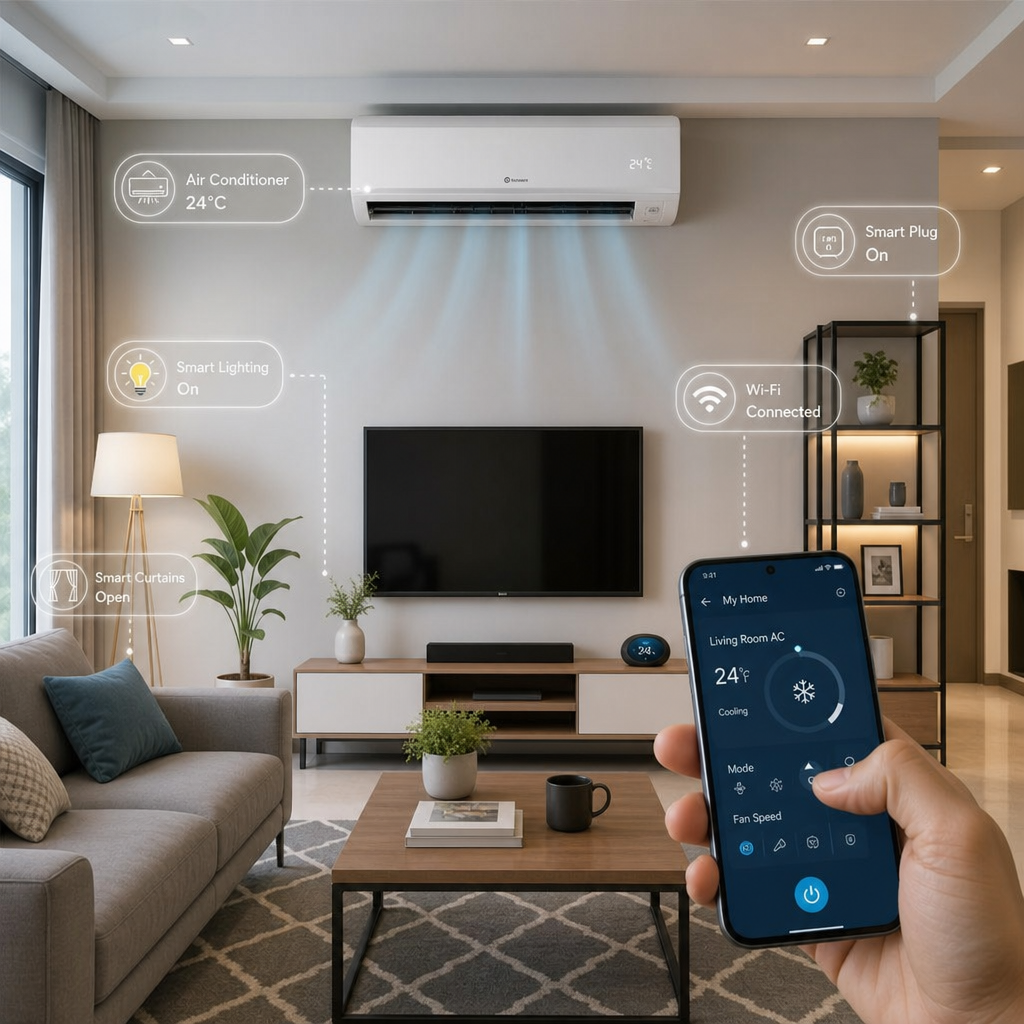
Electricity (TNB): Because Malaysia is hot and humid year-round, air conditioning will be your biggest expense. If you run your AC frequently, expect your monthly bill to range between RM 250 and RM 600.
-
Water (Syabas/PBA): Water is incredibly inexpensive, rarely exceeding RM 20 to RM 40 a month even for a family.
-
Internet: High-speed fiber broadband providers (like Time, Unifi, or Maxis) are highly reliable. Plans cost between RM 100 and RM 200 per month depending on the speed (usually ranging from 100Mbps to 1Gbps).
Renting vs. Buying: Making the Right Choice
As you settle in and fall in love with the country, you might start weighing the pros and cons of renting vs buying property in Malaysia for foreigners. Malaysia is uniquely positioned as one of the few countries in Asia where foreigners can own freehold property directly under their own name, rather than through complex leasehold or corporate structures.
When Does it Make Sense to Buy?
If you plan to stay in Malaysia for five years or more, or if you are planning to retire here, buying might be a lucrative and stabilizing investment. However, before you start house hunting, you must navigate the foreigner property ownership limits by state.
To prevent foreign investors from inflating the local affordable housing market, state governments set minimum purchase thresholds for non-citizens. These limits vary dramatically:
-
Kuala Lumpur: Foreigners can generally only buy properties priced at RM 1 million and above.
-
Selangor: The threshold is much stricter, typically set at RM 2 million, and purchasing landed property may be restricted to certain stratified developments.
-
Penang: Minimum thresholds vary depending on whether you are buying on the island (RM 1 million for condos, RM 3 million for landed) or the mainland.
Malaysia My Second Home (MM2H) Considerations
Expats looking to retire or live long-term in the country often utilize the MM2H visa program. Keep in mind that the Malaysia My Second Home property requirements and financial privileges occasionally change as the government updates the program tiers (such as the recent Silver, Gold, and Platinum tiers). Under certain iterations of the program, MM2H visa holders may enjoy lower minimum property purchase thresholds in select states. Always consult with an appointed MM2H agency to verify the latest criteria before making a real estate commitment.
Additional Costs of Buying
If you choose to buy, it is critical to factor in the stamp duty and legal fees for Malaysian property, as these closing costs can add up.
-
Stamp Duty: This is a government tax calculated on a tiered basis depending on the property's purchase price. For high-end properties (above RM 1 million), the top tier of stamp duty can be around 4%.
-
Legal Fees: You will need to hire a lawyer to draft the Sale and Purchase Agreement (SPA). Legal fees are also tiered but generally amount to roughly 1% of the property's purchase price.
Practical Tips for a Smooth Housing Hunt
The Malaysian real estate market moves fast, and prime units in expat-heavy neighborhoods are often snapped up within days. To secure the best housing, working with a professional is vital.
Knowing how to find reliable real estate agents in Malaysia can save you time, money, and considerable stress.
-
Look for REN numbers: Ensure your agent is a registered Real Estate Negotiator (REN) or a registered Estate Agent (REA) with the Board of Valuers, Appraisers, Estate Agents and Property Managers (BOVAEA). They are required by law to wear a red or blue ID tag.
-
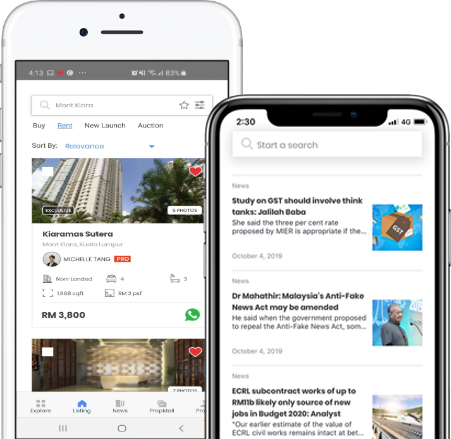
Use Reputable Portals: Websites like iProperty and PropertyGuru are excellent starting points to gauge market rates, view photos, and find agents who specialize in the exact neighborhoods you are targeting.
-
Understand Agent Fees: In Malaysia, standard practice dictates that if you are renting a property for a one-year term or more, the landlord pays the agent's commission (usually equivalent to one month's rent). As a tenant, your only administrative costs should be the stamping and agreement preparation fees. If an agent tries to charge you a separate "finder's fee" for a standard rental, look elsewhere.
-
Perform an Inventory Check: When you move in, take photos and videos of every room, piece of furniture, and existing defect. Attach this to the official inventory list to protect your security deposit when you eventually move out.
Conclusion
Embracing life as an expat in this beautiful Southeast Asian nation is an adventure filled with warm people, incredible food, and breathtaking landscapes. By taking the time to understand the myriad housing options for expats in Malaysia, the legalities of tenancy agreements, and the dynamics of different neighborhoods, you can confidently set up a comfortable, secure, and happy home base while living in Malaysia.
Whether your dream is a high-rise luxury condo overlooking the Twin Towers, a quiet landed home in a gated suburban community, or a breezy coastal apartment in Penang, Malaysia offers a lifestyle—and an address—to suit every expat's unique needs. Take your time, do your research, rely on accredited professionals, and you will soon find the perfect place to call home in Malaysia.
Continue your property journey with our FREE monthly newspaper, featuring the latest market insights and expert analysis. Subscribe to claim your copy!
Disclaimer: This article is provided for general information purposes only. The Edge Property Sdn Bhd makes no representations or warranties as to the accuracy, reliability, or completeness of the information, including its fitness for any particular purpose, to the fullest extent permitted by law. While every effort has been made to ensure the information is accurate and up to date as of the time of writing, it should not be relied on as the sole basis for any financial, investment, real estate, or legal decision, nor should it replace advice from a qualified professional who can consider your personal circumstances. The Edge Property Sdn Bhd accepts no liability for decisions made based on this article.