Share
Share

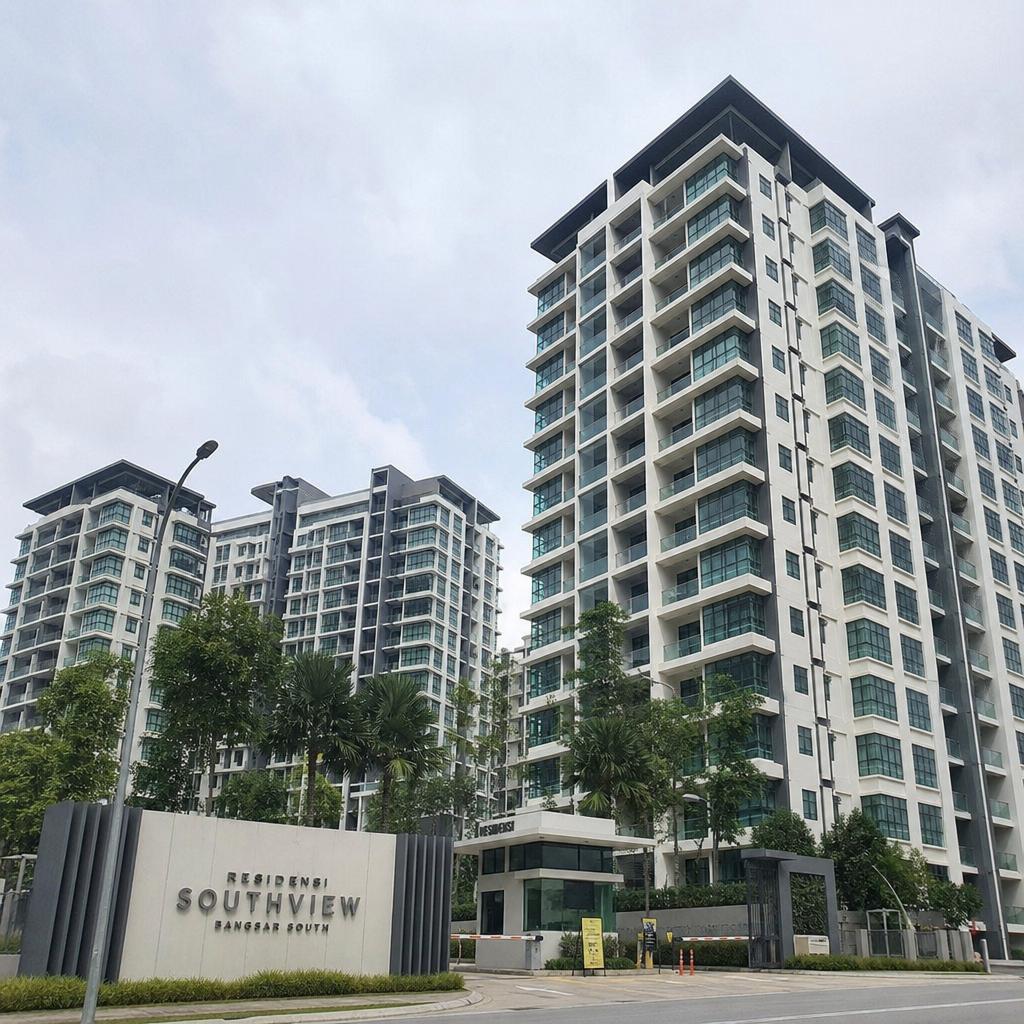
If you want to know how to rent a property in Malaysia, start with the local process, common fees, and the papers that protect both tenant and landlord. Whether you are moving to Kuala Lumpur for work, studying in Penang, relocating to Johor Bahru, or comparing suburban family homes in Selangor, the best approach is the same: research the market, verify the people involved, inspect the property carefully, and put every key promise into the tenancy agreement.
Malaysia's rental market is varied. You will find high-rise condos with security and shared facilities, landed homes in residential townships, serviced units near business hubs, student rooms near universities, and older walk-up flats at lower prices. Because property rental Malaysia listings can vary by location, building age, furnishing level, transport access, and management quality, a little prep can save you from overpaying or signing the wrong lease.
Understanding the rental market in Malaysia
The rental market Malaysia renters see is very local. A studio near an MRT station in Kuala Lumpur may rent very differently from a larger flat farther from public transport. A family house in a mature township may be priced based on school access, road access, parking, and renovation quality. In tourist-heavy areas, short-term rental activity can also affect supply and asking rents.
Before you contact agents or landlords, compare several listings in the same building or neighbourhood. Look beyond the monthly rent and check:
-
Whether the unit is fully furnished, partly furnished, or unfurnished
-
Whether parking is included
-
Whether internet is already installed
-
Whether maintenance fees are covered by the landlord
-
Whether the building has facilities such as a pool, gym, security, or parcel room
-
How far the property is from rail stations, bus routes, highways, schools, hospitals, or workplaces
-
Whether the unit is managed directly by the owner, through an agent, or by a property manager
For wider market context, Malaysia's National Property Information Centre provides property data and charts, including transaction data and price/rental index sections. These tools can help renters understand general market conditions rather than relying only on listing prices. (napic.jpph.gov.my)
Step 1: Set your budget before you search
A realistic rental budget should include more than the monthly rent. When renting in Malaysia, you may need enough cash upfront for the first month's rent, refundable deposits, tenancy agreement costs, stamp duty, utility setup, access cards, moving costs, and basic household items.
A practical monthly budget should include:
-
Rent: The amount you pay every month, usually by bank transfer.
-
Utilities: Electricity, water, sewerage, internet, and sometimes gas.
-
Parking: Included for some condo units, charged separately for others.
-
Transport: Fuel, tolls, parking, e-hailing, or rail passes.
-
Household costs: Cleaning supplies, air-conditioner servicing, minor consumables, and replacement bulbs or filters.
-
Lifestyle costs: Groceries, dining, gym membership, childcare, or coworking space.
As a rule, choose a rent that leaves room for savings and emergencies. A cheaper unit far from work may cost more in time, tolls, and transport. A more expensive unit near a rail station may be worth it if it cuts commute stress and removes the need for a car.
Step 2: Choose the right location
Location is the biggest driver of rental value. Start with your daily routine, not just the map. A neighbourhood may look close on paper but feel inconvenient during peak traffic or monsoon rain.
Consider these location factors:
-
Commute: Test the route during your actual work or class hours.
-
Public transport: Check walking distance to MRT, LRT, KTM, monorail, bus, or ferry links.
-
Road access: Look at highway links, bottlenecks, tolls, and parking.
-
Daily convenience: Groceries, pharmacies, clinics, food options, laundry, and childcare.
-
Safety and building security: Guardhouse checks, lighting, access cards, CCTV, and visitor registration.
-
Noise: Highways, nightlife, construction, schools, mosques, rail lines, or industrial areas.
-
Flood risk and drainage: Especially important for landed homes and low-lying areas.
-
Building management: Cleanliness, lift maintenance, rubbish disposal, parcel handling, and responsiveness.
If possible, visit the property at different times of day. A quiet unit at 11 a.m. may be noisy after work hours. A building that looks organised on a weekday may feel crowded on weekends.
Step 3: Know the main property types
Malaysia offers many rental formats. The best option depends on your budget, family size, lifestyle, and lease length.
Condo or apartment
Condos and apartments are popular in cities because they often include security, lifts, parking, and shared facilities. They are a good fit for renters who want convenience and a managed setting. Always check lift reliability, visitor parking, management rules, and whether short-term rental activity affects the building.
Serviced apartment
Serviced apartments may look like condos but are often in mixed-use or commercial developments. They can suit professionals who want shops, offices, and transport nearby. Check utility rates, parking terms, and building rules carefully.
Landed house
Terrace houses, semi-detached homes, and bungalows offer more space and privacy. They suit families, pet owners, or renters who need extra storage. However, you may have more responsibility for gardens, gates, drains, pests, and outside maintenance, depending on the agreement.
Room rental
Room rentals are common among students, interns, and single working adults. They are usually cheaper, but you need clear rules on utilities, visitors, cleaning, kitchen use, parking, and early termination. If you are renting only a room, make sure the written agreement still identifies your room, deposit, rent, and shared-space rights.
Short-term stays
Short-term stays are useful when you are new to Malaysia or waiting for a long-term unit. However, they are not always the same as residential tenancies. Check whether the building allows short-term stays and whether the price includes utilities, cleaning, and service charges.
Step 4: Search smart and compare like-for-like
When comparing property rental Malaysia listings, do not rely only on headline rent. Two units in the same building can have very different value because of renovation quality, view, floor level, parking, furniture, appliance age, and landlord responsiveness.
Create a shortlist with these details for each property:
-
Exact building or street name
-
Unit size and number of bedrooms
-
Furnishing level
-
Parking allocation
-
Asking rent and negotiable range
-
Deposit amount
-
Lease term required
-
Move-in date
-
Included appliances
-
Internet availability
-
Restrictions on pets, smoking, visitors, or subletting
-
Maintenance responsibilities
If a listing seems far cheaper than comparable units, treat it as a signal to investigate. It may be a real urgent rental, but it could also involve misleading photos, a taken unit, hidden costs, or a scam.
Step 5: Verify the agent, landlord, and listing
Verification is one of the most important parts of renting in Malaysia. If you are dealing with a property agent or real estate negotiator, ask for their REN or REA details and confirm that they are connected to a registered firm. The official LPEPH search portal lets users search for firms, members, and negotiators, and LPEPH states that the Board operates under Malaysia's Ministry of Finance. (lpeph.gov.my)
Before paying anything, take these precautions:
-
Ask for the agent's full name, REN or REA number, agency name, and office contact.
-
Search the agent or negotiator details through the official registry.
-
Call the agency's public office number to confirm the person handles that listing.
-
Ask for proof that the landlord owns or is allowed to rent the property.
-
Avoid sending money to an unrelated personal account without documents.
-
Keep all communication, receipts, bank slips, and signed documents.
-
Never pay a deposit only because someone says there are many other tenants waiting.
A legitimate landlord or agent should not object to basic checks. If they pressure you to pay before viewing, refuse to show credentials, avoid written documents, or keep changing bank accounts, walk away.
Step 6: Inspect the property carefully
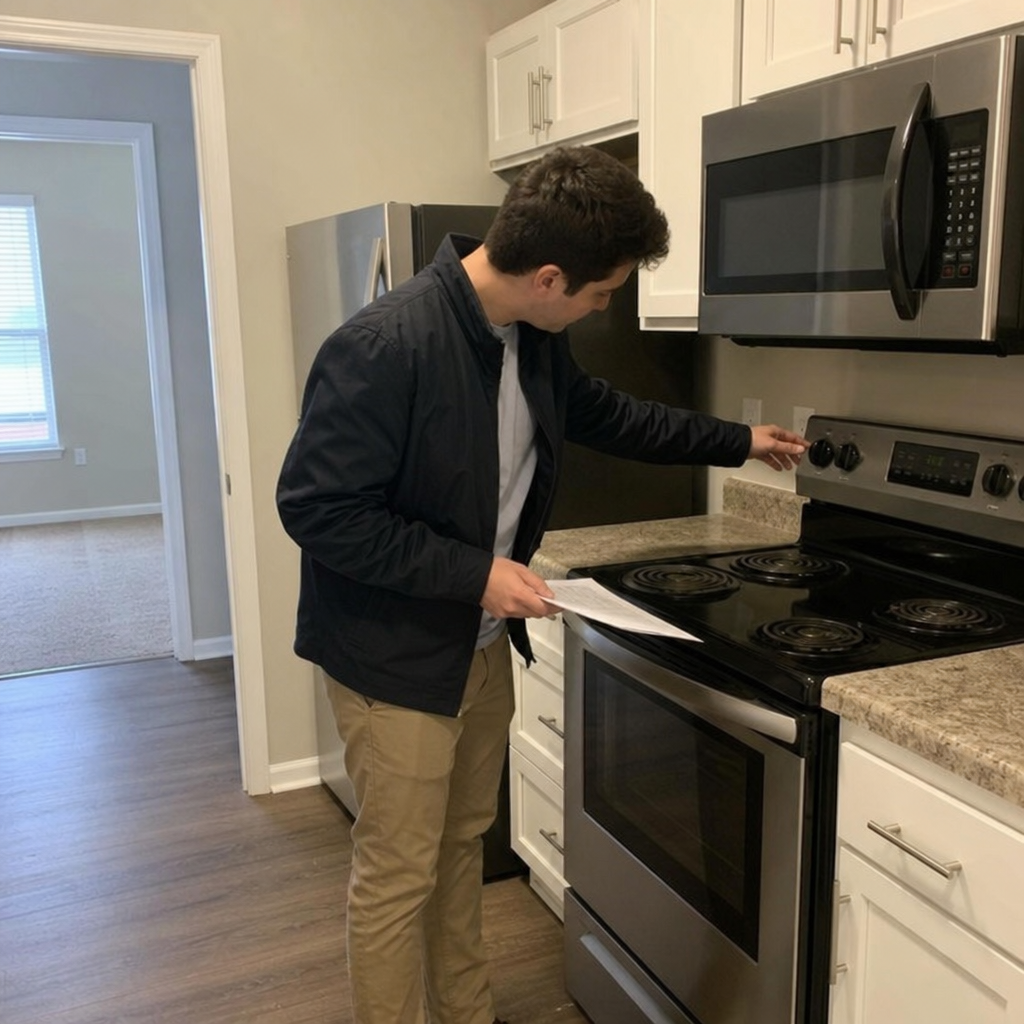
A viewing is not just about whether you like the unit. It is your chance to check condition, safety, comfort, and hidden costs.
During the viewing, test or inspect:
-
Air-conditioners and remote controls
-
Fans and lights
-
Water pressure and hot water
-
Toilets, sinks, taps, and drainage
-
Washing machine, refrigerator, oven, hob, and hood
-
Door locks, grills, windows, balcony doors, and curtains
-
Signs of leaks, mould, pests, or water stains
-
Floor tiles, built-in cabinets, wardrobes, and countertops
-
Internet fibre port or coverage
-
Parking bay location and access card process
-
Rubbish room, lifts, mailbox, and parcel collection area
Take photos and videos before moving in. If the landlord promises repairs, ask for the promise to be written into the offer letter or tenancy agreement with a deadline.
Step 7: Make an offer and confirm the basic terms
Once you find a suitable unit, you can usually negotiate before signing. Common negotiation points include rent, lease length, move-in date, furniture, appliance replacement, repainting, minor repairs, parking, and internet installation.
Before paying a booking fee or earnest deposit, make sure the offer document clearly states:
-
Property address
-
Monthly rent
-
Lease start date and duration
-
Deposit amount
-
What happens if either party cancels before signing
-
Who prepares the tenancy agreement
-
Who pays stamp duty and agreement fees
-
Whether the fee is refundable or will become part of the first month's rent
-
Special conditions, such as repairs or furniture to be provided
Do not rely on verbal promises. If the landlord agrees to replace a mattress, service the air-conditioners, repair a leak, or allow a pet, put it in writing.
Step 8: Understand common rental costs
Rental costs in Malaysia vary by property, landlord, and negotiation. However, tenants commonly encounter several categories of payment.
Advance rent
This is usually the first month's rent paid before or upon move-in. Make sure it is recorded separately from deposits.
Security deposit
This refundable deposit protects the landlord against unpaid rent, damage, or breach of agreement. The refund process should be clearly stated, including timing, deductions, and the need for receipts or evidence.
Utility deposit
Some landlords request a separate utility deposit to cover unpaid electricity, water, sewerage, or other bills. Clarify whether bills remain under the owner's name or will be transferred to you.
Tenancy agreement and administrative fees
Some rentals include charges for preparing the tenancy agreement, printing copies, or admin handling. Ask for a detailed breakdown before paying. If the fee seems high, request details on what it covers.
Stamp duty
Stamp duty is an important step because tenancy agreements are written instruments that may be subject to duty. LHDN explains that stamp duty is imposed on instruments listed under the First Schedule of the Stamp Act 1949, and that the person liable is determined under the Third Schedule. (hasil.gov.my)
LHDN's guidance on rental agreements confirms they may require stamp duty, and that stamping must still be submitted online within 30 days from the signing date; since 1 January 2026, tenancy agreements fall under Phase 1 of LHDN's Stamp Duty Self-Assessment System (STSDS), so duty is assessed when the return is submitted via the e-Duti Setem service on the MyTax portal and can be paid at the same time, without waiting for a separate assessment notice. (hasil.gov.my)
Agent fees
If an estate agent is involved, clarify who appointed the agent and who is responsible for professional fees. LPEPH publishes a scale of fees for lettings, including maximum fee amounts based on tenancy duration and a note that tenancies under one year may be calculated pro rata. (lpeph.gov.my)
Step 9: Review the tenancy agreement clause by clause
Your tenancy agreement is the most important document in the rental relationship. Read it fully before signing. If anything is unclear, ask for changes before you pay the balance or take the keys.
A solid tenancy agreement should cover:
-
Parties: Full names and identification details of landlord and tenant.
-
Property: Full address, unit number, parking bay, and included areas.
-
Term: Start date, end date, renewal options, and notice period.
-
Rent: Amount, due date, payment method, late-payment penalties, and bank details.
-
Deposits: Amounts, purpose, refund timing, and allowed deductions.
-
Inventory: Furniture, appliances, access cards, keys, and condition report.
-
Repairs: Who handles structural repairs, appliance repairs, air-conditioner servicing, plumbing, electrical issues, pest control, and minor consumables.
-
Utilities: Who pays electricity, water, sewerage, internet, and management-related charges.
-
Use of property: Residential use, occupancy limits, pets, smoking, business use, and subletting.
-
Access: When and how the landlord may enter for inspection, repair, or viewing before lease expiry.
-
Early termination: Break clause, required notice, forfeiture rules, and replacement tenant terms.
-
Renewal: How renewal rent is negotiated and when notice must be given.
-
Handover: Cleaning, reinstatement, key return, and final inspection process.
-
Dispute handling: Written notices, negotiation steps, and applicable law.
If the agreement is one-sided, ask for reasonable changes. For example, if the landlord can end early but the tenant cannot, request a balanced break clause. If the tenant must repair everything, clarify which repairs are due to normal wear and tear and which are due to tenant negligence.
Step 10: Complete stamping and keep proper records
After signing, make sure the tenancy agreement is stamped properly. Stamping is handled online through LHDN's e-Duti Setem service on the MyTax portal (the earlier STAMPS portal closed on 31 December 2025), and the stamp certificate generated should be printed and attached to the original document as proof of payment. (hasil.gov.my)
Keep both digital and physical copies of:
-
Signed tenancy agreement
-
Stamp certificate
-
Payment receipts
-
Deposit receipts
-
Inventory list
-
Move-in photos and videos
-
Repair promises
-
Access card and key records
-
Utility bills and account numbers
-
Landlord or agent contact details
Good records protect both sides. They also make the move-out process smoother because you can compare the property's final condition against the documented move-in condition.
Step 11: Move in with a handover checklist
Do not treat key collection as a formality. The handover is when you confirm what you are receiving.
During handover:
-
Count keys, cards, remotes, parking stickers, and mailbox keys.
-
Check the inventory item by item.
-
Take dated photos of every room.
-
Photograph existing scratches, stains, dents, cracks, or defects.
-
Record meter readings for electricity and water.
-
Confirm where to pay maintenance-related charges, if applicable.
-
Ask for building management contacts and emergency procedures.
-
Confirm air-conditioner servicing history.
-
Submit defect notes to the landlord or agent as soon as possible.
Send the move-in condition report by email or messaging app and ask for acknowledgement. This creates a clear record if there is a deposit dispute later.
Best practices for foreign tenants and expats
Foreigners can find many rental options in Malaysia, especially in major cities and expatriate-friendly areas. Landlords may ask for passport details, visa or employment pass information, employer details, and a longer lease commitment. Requirements vary, so prepare documents before viewing.
Helpful tips for expats include:
-
Stay in temporary accommodation first if you are not familiar with the area.
-
Visit neighbourhoods during commute hours before committing.
-
Confirm whether the landlord accepts foreign tenants before arranging a viewing.
-
Check if utilities can stay under the landlord's name.
-
Ask whether the building has move-in rules, lift booking procedures, or deposit requirements.
-
Confirm whether the tenancy agreement is in English or bilingual.
-
Avoid paying large sums before verifying the landlord, agent, and property.
If you are renting in Malaysia for the first time, choose clarity over speed. A slower process with verified documents is safer than a rushed deal with vague terms.
Common red flags to avoid
Be cautious if you encounter any of these warning signs:
-
The rent is far below similar units with no clear reason.
-
The person refuses to provide REN, REA, agency, or ownership details.
-
You are pressured to pay before viewing.
-
The bank account name does not match the landlord, agency, or documented payee.
-
The listing photos look copied from another platform.
-
The landlord refuses a written agreement.
-
The agreement is not ready, but you are asked to move in and sign later.
-
Repair promises are kept verbal.
-
Deposit refund terms are vague.
-
You are charged unexplained processing, admin, or agreement fees without a breakdown.
A good rental should feel transparent. If the process is confusing before you move in, it may become harder after you have paid.
Practical checklist before signing
Before you sign the tenancy agreement, confirm that you have:
-
Compared similar units in the same area
-
Viewed the property in person or through a trusted representative
-
Verified the agent or landlord
-
Confirmed the total upfront payment
-
Received a detailed fee breakdown
-
Checked the tenancy duration and renewal terms
-
Reviewed deposit refund rules
-
Written all repair promises into the agreement
-
Checked maintenance responsibilities
-
Confirmed utility arrangements
-
Confirmed parking, access cards, and building rules
-
Prepared move-in photos and inventory documentation
-
Arranged stamping after signing
Frequently asked questions
Is rent negotiable in Malaysia?
Often, yes. Negotiation depends on demand, vacancy, landlord urgency, furnishing level, lease length, and tenant profile. You may have more room to negotiate if you can move in quickly, sign a longer lease, or show stable income.
Who pays for repairs?
It depends on the tenancy agreement. Landlords commonly handle structural issues and major appliance problems not caused by tenant misuse, while tenants may handle minor upkeep and damage they cause. The agreement should define this clearly.
Can I rent without an agent?
Yes, direct landlord rentals exist. However, you must still verify ownership or authority, use a written agreement, document payments, and stamp the agreement where required.
Should I pay before signing the tenancy agreement?
Avoid paying large sums before the basic terms are written and the parties are verified. If you pay a booking fee, get a written receipt and clear refund or forfeiture terms.
What makes a rental agreement safer?
A safer agreement is specific. It names the parties, identifies the property, lists deposits, explains deductions, assigns repair duties, includes an inventory, states notice periods, and records all special promises.
Final thoughts
Renting a property in Malaysia is much easier when you treat the process as a documented deal, not just a handshake. Research the rental market Malaysia conditions, compare similar units, inspect carefully, verify the people involved, and read every clause before signing. The best rental is not always the cheapest one; it is the one that fits your lifestyle, has clear costs, and gives both tenant and landlord a written framework.
With the right prep, property rental Malaysia searches can move from stressful to manageable. Take your time, ask direct questions, keep records, and use these property rental tips to make sure the tenancy agreement matches what you agreed.
Continue your property journey with our FREE monthly newspaper, featuring the latest market insights and expert analysis. Subscribe to claim your copy!
Disclaimer: This article is provided for general information purposes only. The Edge Property Sdn Bhd makes no representations or warranties as to the accuracy, reliability, or completeness of the information, including its fitness for any particular purpose, to the fullest extent permitted by law. While every effort has been made to ensure the information is accurate and up to date as of the time of writing, it should not be relied on as the sole basis for any financial, investment, real estate, or legal decision, nor should it replace advice from a qualified professional who can consider your personal circumstances. The Edge Property Sdn Bhd accepts no liability for decisions made based on this article.