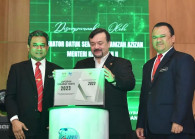

MoneyX officially launched with 43 partners signed up
MoneyX is a fintech super app that utilises AI and machine learning to provide personalised financial and data management, including analysis reports, loan applications, credit reports, property valuations, and more.

High time to regulate conduct of building inspectors
It is important for homebuyers to be smart and aware of those unprofessional and unqualified BIs in the industry.
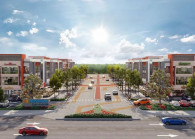
IJM Land achieves 60% take-up rate for The Promenade in Bandar Rimbayu
The Promenade, which features two and three-storey shop offices, will have a gross development value of RM300 million.

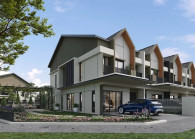
S P Setia’s Irama Villa IV 85% taken up
Under Setia eGreenLiving concept, Irama Villa IV will come with sustainable amenities such as Box 366 food and parcel delivery dropbox, smart lock for enhanced security, a solar photovoltaic conduit for clean energy and electric vehicle (EV) ports.
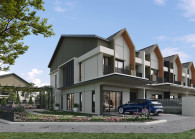
S P Setia to unveil Irama Villa IV double-storey terrace homes on March 3
Due for completion in 2026, Irama Villa IV has a gross development value (GDV) of RM74.
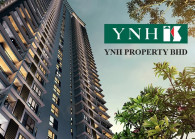
YNH redesignates senior independent director Khong as new audit chairman following oversight issues
Khong Kam Hou will lead a three-member team to help the board to, among others, assess its processes relating to risks, oversee the group's financial reporting, and evaluate the group's internal and external audit processes.


Platinum Victory introduces ‘balanced urban living’ with launch of PV22 Residences
Situated in Setapak with an estimated gross development value (GDV) of RM1.