
WCSC 2025: Technology, data playing greater roles in shaping cities
Technology, when applied thoughtfully, can enhance human experiences by reimagining heritage, improving accessibility, and enriching cultural expression.
Technology, when applied thoughtfully, can enhance human experiences by reimagining heritage, improving accessibility, and enriching cultural expression.
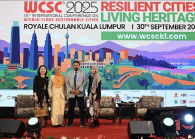
Industry leaders from Malaysia and Singapore stressed the urgency for sustainable urban developments, showcasing examples of low-carbon, biodiversity-focused projects, nature-based solutions and water management for climate-resilient cities.
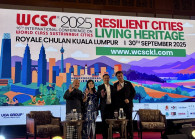
“Without people, there is no reason for businesses to invest, as culture is not just about tourism; it’s about identity and longevity.

Mayor Datuk Seri Maimunah Mohd Sharif: Whether you are a developer, professional, academic or simply a resident, WCSC 2025 is a platform to exchange knowledge and best practices, and to address the challenges of managing a growing city like Kuala Lumpur.

Chin Hin Group Property board adviser Ngian Siew Siong: Fancy, elaborate facades may look impressive in brochures, but multi-colour or protruding elements are hard to maintain, repaint, and can increase costs over time.

Ungku Iskandar urged policymakers and developers to adopt data-driven planning and a unified oversight to tackle housing and commercial oversupply.

Tong noted that while the mandatory afforable housing quota is well intended, a blanket requirement often results in a disconnect between supply and demand.

MDEC is working closely with the federal government on three smart city projects: creating Digital Twins to predict traffic and flood risks, Smart Tree profiling and Digital Avatars to improve city planning.
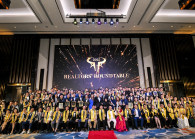
The introduction of the RRT trophy this year symbolises the dedication of members who have upheld their integrity in the real estate profession, while reminding realtors of the role they play in shaping communities through their success.

EdgeProp editorial and branding head Jacqueline Lim: Penang’s residential overhang steadily eased from 5,493 units in 2020 to 2,069 units in 2024, reflecting a gradual absorption of unsold stock.



The only property app you need. More than 200,000
sale/rent listings and daily property news.