Share
Share


Navigating Malaysia's property market as a landlord or tenant can be rewarding. You may see city condos in Kuala Lumpur or landed homes in Penang. But without clear rules, a good deal can turn into stress and high costs.
Knowing your rental property rights is the base of a fair, long-term home setup. In this guide to the 10 Rights and Responsibilities of Landlords and Tenants Under Malaysian Law, you will learn the key rules that help you avoid mix-ups, keep the rent fair, and protect your money and well-being.
The Foundation of Rental Law in Malaysia
Before you look at each duty, it helps to know the basic legal setup for the rental market. One of the first questions new renters ask is the difference between a tenancy and a lease under the National Land Code. A tenancy is a rental deal for up to three years. It does not need to be registered on the property title. A lease lasts more than three years and must be registered with the land office to get full legal cover.
Another common question is what happens when there is no written tenancy agreement. Under the Malaysian Contracts Act 1950, oral deals can still be valid and binding. But they are hard to enforce. Without a written record, disputes can quickly turn into a simple blame game with little proof. A paper contract signed by both sides is the safest first step.
1. Drafting and Stamping the Tenancy Agreement
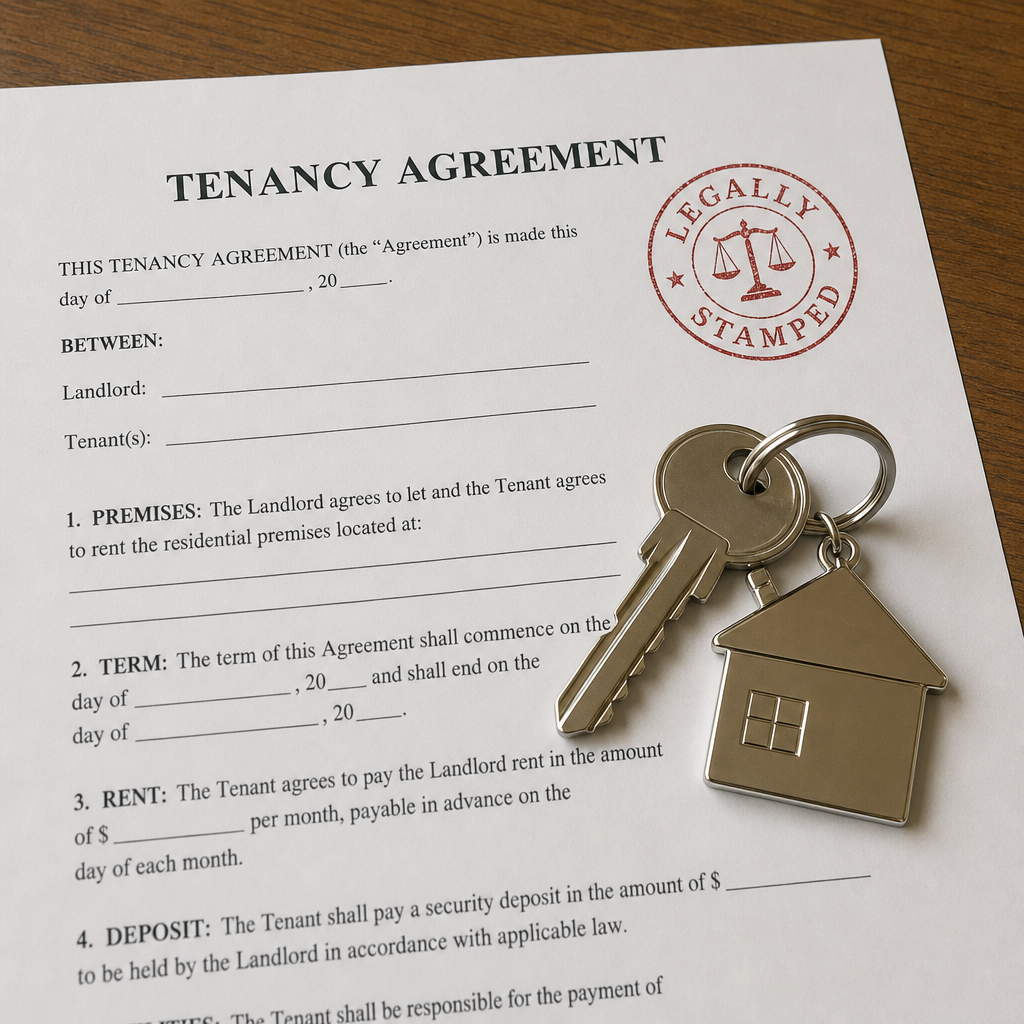
The basic rent contract should be clear and fair. Both sides have the right to negotiate the terms before signing. A standard tenancy agreement in Malaysia should cover the rent, term, renewal options, deposit amounts, and who handles repairs and bills.
For the contract to be used as evidence in court, it must be stamped. Stamp duty is based on the yearly rent and handled by Malaysia's tax office, LHDN. There is no exemption any more - the RM2,400 exemption was abolished on 1 January 2025. The current rate is a flat amount per RM250 (or part) of annual rent, based on the tenancy length: RM1 for up to a year, RM3 for more than one to three years, RM5 for more than three to five years, and RM7 beyond five years, subject to a RM10 minimum per agreement. The tenant usually pays the stamp duty, but both sides can agree on a different split. An unstamped agreement can be weak in a dispute.
2. Managing Deposits Transparently and Fairly
Financial security is a fair concern for both owners and renters. That is why it is important to understand the security deposit and utility deposit rules.
-
Security deposit: usually two months' rent. It protects the landlord against major damage or a serious breach of contract, such as leaving early without notice.
-
Utility deposit: usually half a month's rent. It covers unpaid water, power, or sewerage bills after move-out.
Tenants generally cannot use the security deposit to pay the last month's rent unless the landlord agrees in writing. Rent must be paid through the end of the tenancy. Landlords should return the deposits, minus valid and well documented deductions, within the time in the contract, usually 14 to 30 days after move-out.
3. Guaranteeing Privacy and Peaceful Occupation
Once the tenant moves in and gets the keys, they have exclusive possession of the home. This is part of the quiet enjoyment right in Malaysian rental law. It means the landlord must not disturb the tenant's lawful use of the property.
This right is tied to privacy and landlord entry limits. The landlord cannot open the door and walk in without notice. Whether the reason is a repair, an inspection, or a viewing for future renters or buyers, the landlord must give reasonable advance notice. Many standard tenancy agreement templates set this at 24 to 48 hours, though that is a common drafting convention rather than a legal minimum - if the agreement is silent on notice, only a general 'reasonable notice' standard applies, with no fixed number set in law. Clear boundaries prevent trouble and build trust.
4. Maintaining the Property and Undertaking Repairs
Property maintenance is clearly one of the most common causes of landlord tenant disputes. The best way to avoid long fights is to divide duties early.
-
Landlord duties: keep the structure safe and sound. This includes fixing roof leaks, major plumbing problems, and faulty wiring.
-
Tenant duties: handle daily care and clean-up. This means keeping the home reasonably clean, replacing easy-to-reach burnt-out bulbs, and fixing small wear items like a loose cabinet hinge.
The tenant should also tell the landlord about major repair needs right away. If they wait and the damage gets worse, they may be liable for extra repair costs.
5. Paying Rent on Time and Managing Late Fees
The tenant's main duty is to pay rent on time each month. Late rent can hurt the landlord's cash flow, especially if the rent helps pay the mortgage.
Landlords may charge reasonable late interest only if the stamped agreement says so. If the contract does not set out the fee clearly, there is no legal base to demand extra money. Rates in the 8-10% per year range are common in practice, but even a clearly stated rate isn't automatically enforceable at face value: under Section 75 of the Contracts Act 1950, courts will only allow 'reasonable compensation' up to the stated amount, and have reduced excessive late-payment rates before. The contract must state the exact terms, and an unreasonably high rate risks being cut down by a court.
6. Lawful Recovery of Unpaid Rent
If rent stays unpaid for a long time, landlords can use legal steps instead of force or threats. One of the main tools is the Distress Act 1951.
The landlord applies to court for a warrant of distress. Court bailiffs, not the landlord, may enter the unit and seize the tenant's movable items. These items can then be sold to recover unpaid rent, usually up to 12 months' arrears. This court-led process protects the landlord's money and keeps the tenant safe from harassment or threats.
7. Following Proper Eviction Procedures
Evicting a tenant is tightly controlled. In Malaysia, it is illegal for a landlord to change the locks, cut water or power, or remove the tenant's belongings, even if rent is late. That breaks the Specific Relief Act 1950.
To evict a tenant lawfully, the landlord must first serve a written notice to quit. Malaysia has no fixed statutory default for this - it's whatever the tenancy agreement specifies, and if the agreement is silent, case law generally requires notice equal to one full rental period (for example, one month's notice for a monthly tenancy), longer for commercial premises. If the tenant still refuses to leave, the landlord must go to civil court and ask for a writ of possession or a similar order. Law enforcement then helps with a legal handover.
8. Documenting the Handover Properly
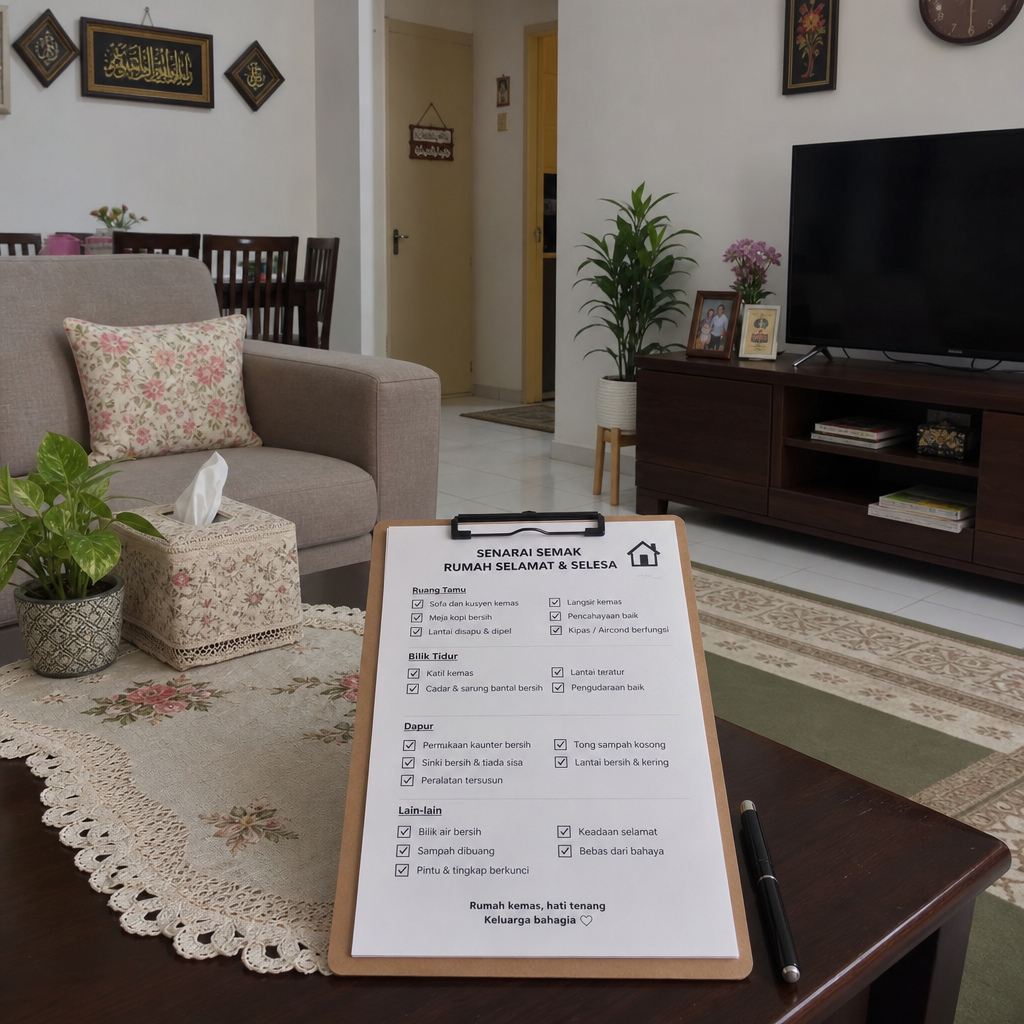
A clear move-in and move-out record saves time, money, and stress for both sides. It is a shared duty of the landlord and tenant to agree on the home's condition from day one.
Before unpacking, both sides should walk through the whole property. Note the state of the furniture, appliances, and walls. Take dated photos. When the tenancy ends, the signed checklist becomes the clear reference point. It helps show whether new damage goes beyond fair wear and tear and whether any deposit deduction is fair.
9. Resolving Disputes Legally and Cost-Effectively
Even with good planning, landlord tenant disputes can still happen. A broken air conditioner or a withheld deposit can cause real tension.
For small money claims, the Small Claims Court can help. It is meant for everyday disputes of RM5,000 or less. The process is simple, low cost, and usually does not need a lawyer.
10. Exercising Vigilance and Seeking Legal Counsel
Both landlords and tenants should stay alert. The property market can attract scams, so it is smart to check the facts before you pay or sign.
Tenants should confirm that the landlord really owns the home by asking for proof such as a title deed or a recent tax bill before paying any deposit. Landlords should screen new tenants by checking job letters and income history to make sure the rent can be paid on time.
If a case becomes complex, hostile, or risky, seek tenant legal advice or talk to a property lawyer. Good advice helps you follow the law and protect your property and money.
Conclusion: Building a Fair Rental Experience
Renting property in Malaysia does not have to be hostile. By learning these 10 Rights and Responsibilities of Landlords and Tenants Under Malaysian Law, both sides can build respect and clear rules.
From a stamped tenancy agreement to lawful eviction and the Small Claims Court, these steps are a practical guide. Open talk, good records, and a clear grasp of rental property rights are your best tools against disputes. Whether you are renting out an investment unit or looking for a new home, knowing your rights brings peace of mind.
Frequently Asked Questions
Question: What's the difference between a tenancy and a lease in Malaysia, and do they need to be registered?
Short answer: A tenancy covers rental periods of up to three years and does not need registration on the property title. A lease lasts more than three years and must be registered with the land office to get full legal protection.
Question: Do I really need a written, stamped tenancy agreement, and how does stamp duty work?
Short answer: Oral tenancy agreements can still be valid under the Contracts Act 1950, but they are hard to enforce. To be used in court, the agreement must be stamped. Stamp duty is based on annual rent - as of 1 January 2025 there's no more RM2,400 exemption, just a flat rate per RM250 (or part) of annual rent depending on tenancy length: RM1 for up to a year, rising to RM3, RM5, then RM7 for longer terms, with a RM10 minimum. The tenant usually pays the duty unless both sides agree otherwise. An unstamped agreement may be weak in a dispute.
Question: Can I use my security deposit to cover the last month's rent, and when should deposits be refunded?
Short answer: No, unless the landlord agrees in writing. The security deposit, usually two months' rent, protects against major damage or contract breaches, while the utility deposit, usually half a month's rent, covers unpaid bills. Rent must be paid through the final month. Landlords should refund deposits, minus valid and documented deductions, within the contract timeline, often 14 to 30 days after move-out.
Question: Are late payment charges on rent legal in Malaysia?
Short answer: Yes, but only if the stamped agreement says so. Landlords can charge interest for late rent - rates in the 8-10% per year range are common - if the clause is clear, but under Section 75 of the Contracts Act 1950 a court can reduce a rate it considers excessive even if it's clearly stated. Without a clause at all, there is no legal base for late fees.
Question: How can a landlord lawfully deal with unpaid rent or evict a tenant?
Short answer: For arrears, landlords can apply to court under the Distress Act 1951 for a warrant of distress. Court bailiffs, not the landlord, may seize the tenant's movable goods and sell them to recover up to 12 months' rent. For eviction, self-help steps like changing locks or cutting utilities are illegal under the Specific Relief Act 1950. The landlord must serve a written notice to quit - there's no fixed statutory default, so it's whatever the agreement specifies, or (if silent) case law generally requires notice equal to one full rental period - and if the tenant still does not leave, get a court order such as a writ of possession to regain the property.
Continue your property journey with our FREE monthly newspaper, featuring the latest market insights and expert analysis. Subscribe to claim your copy!
Disclaimer: This article is provided for general information purposes only. The Edge Property Sdn Bhd makes no representations or warranties as to the accuracy, reliability, or completeness of the information, including its fitness for any particular purpose, to the fullest extent permitted by law. While every effort has been made to ensure the information is accurate and up to date as of the time of writing, it should not be relied on as the sole basis for any financial, investment, real estate, or legal decision, nor should it replace advice from a qualified professional who can consider your personal circumstances. The Edge Property Sdn Bhd accepts no liability for decisions made based on this article.